the wire · #gadgets · 2026-09-30
Small number of iPhone 18 Pro users report speaker ‘pops' or ‘clicks'
Cech Tech Reviews
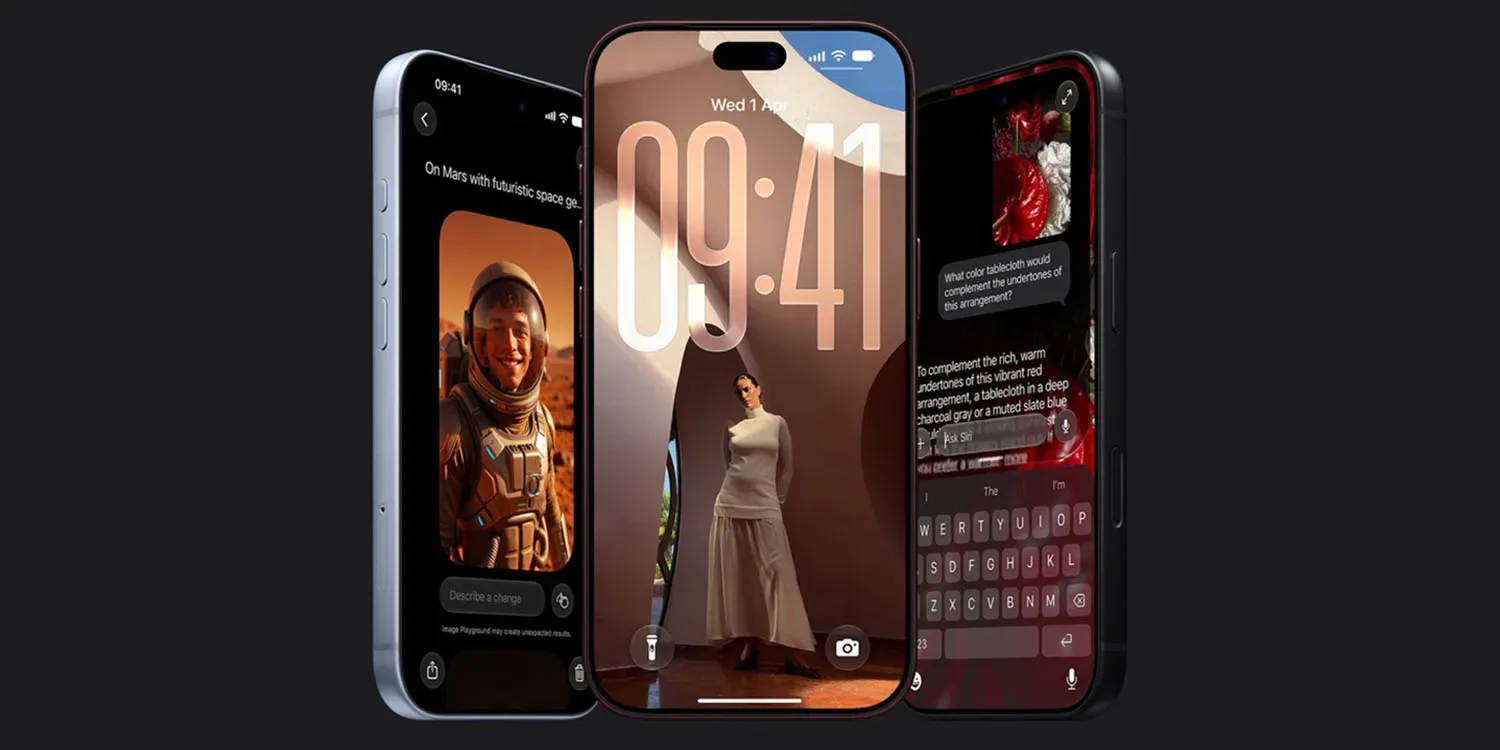
Apple has always prided itself on seamless hardware integration, but the iPhone 18 Pro is facing its first major public scrutiny regarding audio performance. According to early reports, a small but noticeable group of users are experiencing irregular popping and clicking noises from their device speakers. These sounds are not constant but appear during specific interactions, suggesting a nuanced issue rather than a catastrophic hardware failure.
The nature of these glitches is particularly interesting for tech analysts. Users describe the sounds occurring during mundane actions like switching between applications or navigating the home screen. This timing implies that the issue might be tied to the audio subsystem's response to system-level events rather than just media playback. It is a subtle defect that could easily be dismissed as a one-off unit error if not for the clustering of reports.
From an engineering perspective, this points to a potential conflict between the iOS audio driver and the new hardware components. Apple often pushes new silicon capabilities to the limit, and sometimes the software optimization lags behind the hardware release. If the audio processing unit is struggling to handle background tasks efficiently, it could result in these audible artifacts. This is a common pattern in early adopter cycles for new mobile platforms.
The broader implication here is about consumer trust in premium pricing. When users pay a premium for the Pro tier, they expect flawless execution. Even a minor annoyance like a speaker pop can erode confidence in the device's overall reliability. For Apple, managing these early reports is crucial to preventing a narrative of quality control issues from taking root before the device has even hit the mainstream market.
We should also consider the role of software updates in resolving such issues. Historically, many early hardware quirks are addressed through subsequent iOS patches that tweak driver behavior. If this is a software-induced glitch, a fix could arrive within weeks. However, if it is a physical defect in the speaker assembly, it would require a more complex hardware revision or a generous return policy for affected units.
For the average consumer, this serves as a reminder to test devices thoroughly during the return window. While the number of affected users is currently small, it highlights the importance of immediate feedback loops. Tech enthusiasts should document these issues clearly to help Apple's engineering teams pinpoint the root cause faster.
What this means for you: If you are an early adopter using the iPhone 18 Pro for professional audio tasks, monitor your device closely. You can use an AI assistant to help log these incidents by creating a simple workflow. Try this prompt with your AI tool: "Create a structured log template for tracking hardware glitches on my iPhone 18 Pro. Include fields for the time of day, the specific app being used, the type of sound (pop/click), and the duration. I want to use this data to identify patterns before contacting Apple Support."
This proactive approach ensures you have concrete evidence if you need to seek a replacement. It also helps the community build a clearer picture of the issue's scope. Stay tuned for updates as more data comes in from the early adopter community.
Reporting basis: original story
← back to The Wire