the wire · #gadgets · 2026-09-29
Duo-Man turns your 2026 iPhone Duo into a 1980s Sony Walkman
Cech Tech Reviews
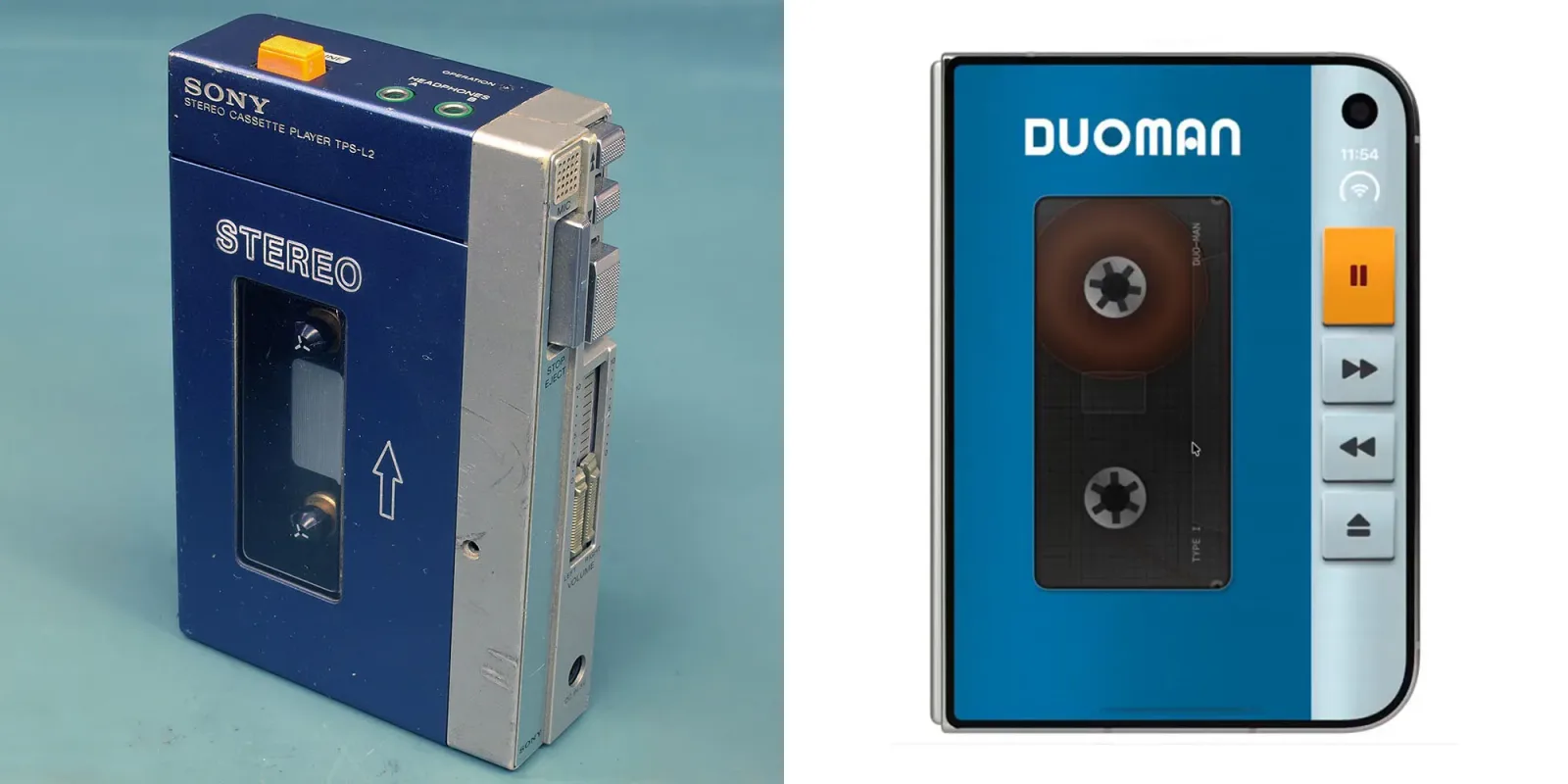
Nostalgia is a powerful driver in the tech industry, and the latest trend of retro-fying modern devices proves just how potent it can be. According to recent reports, the Duo-Man app is designed to transform the interface of the upcoming 2026 iPhone Duo into a virtual 1980s Sony Walkman. This is not merely a skin change but a complete experiential overhaul that mimics the tactile and visual cues of the original portable music player.
The original Sony Walkman was more than just a device. It was a cultural icon that changed how people consumed media by allowing them to carry their soundtrack anywhere. The Duo-Man app attempts to recapture that specific feeling of personal audio ownership. It bridges the gap between the analog era of cassette tapes and the digital cloud-based streaming of today.
What makes this particularly interesting for AI enthusiasts is the underlying technology required to make such a seamless transition possible. The app must map modern touch gestures and swipe mechanics onto a virtual interface that resembles physical buttons and a scrolling display. This requires sophisticated UI adaptation logic that likely leverages machine learning to predict user intent based on historical usage patterns of the original device.
Integration with Apple Music is a critical component of this experience. The app does not just look like a Walkman; it functions as a gateway to your entire modern library. This means the AI behind the scenes must handle metadata mapping, playlist generation, and audio streaming optimization within a constrained visual framework. It is a fascinating example of how AI can enhance user experience by layering complex backend services over simple frontend designs.
The broader implication here is the growing demand for digital minimalism and intentional design. Users are increasingly seeking interfaces that reduce cognitive load and provide a more focused interaction model. The Walkman interface, with its limited screen real estate and linear navigation, forces a slower, more deliberate engagement with music. This stands in stark contrast to the infinite scroll and algorithmic recommendations that dominate current mobile experiences.
This trend suggests that future AI assistants might need to offer modular interface skins. Imagine being able to switch your productivity tools to a terminal-like interface or your communication apps to a pager-style layout. The Duo-Man app is a proof of concept for this kind of adaptive UI. It shows that the form factor of our interactions can be as customizable as the content we consume.
For professionals and creators, this highlights the importance of context-aware design in AI applications. If your tools can adapt to your preferred workflow style, whether it is modern and sleek or retro and focused, adoption rates will likely increase. The emotional connection to a familiar interface can reduce friction and make complex AI tools feel more approachable and less intimidating.
What this means for you: Consider how interface design affects your productivity with AI tools. If you find modern dashboards overwhelming, look for apps that offer simplified or retro-themed views. You can also experiment with this concept by asking your AI assistant to summarize long documents in a concise, bullet-point format that mimics the limited display of a Walkman. Try this prompt: "Summarize the following text into five key points, formatted as if they were track titles on a cassette tape, keeping each point under ten words."
Reporting basis: original story
← back to The Wire




![Anker's 25W MagSafe 3-in-1 packs active cooling in a travel-sized design [Hands-on]](https://aideaflow.com/api/img/news/ec6b40f3aa14a29b.webp)