the wire · #topnews · 2026-07-16
OnePlus, the ‘Flagship-Killer’ Smartphone Brand, Is All but Dead
Cech Tech Reviews
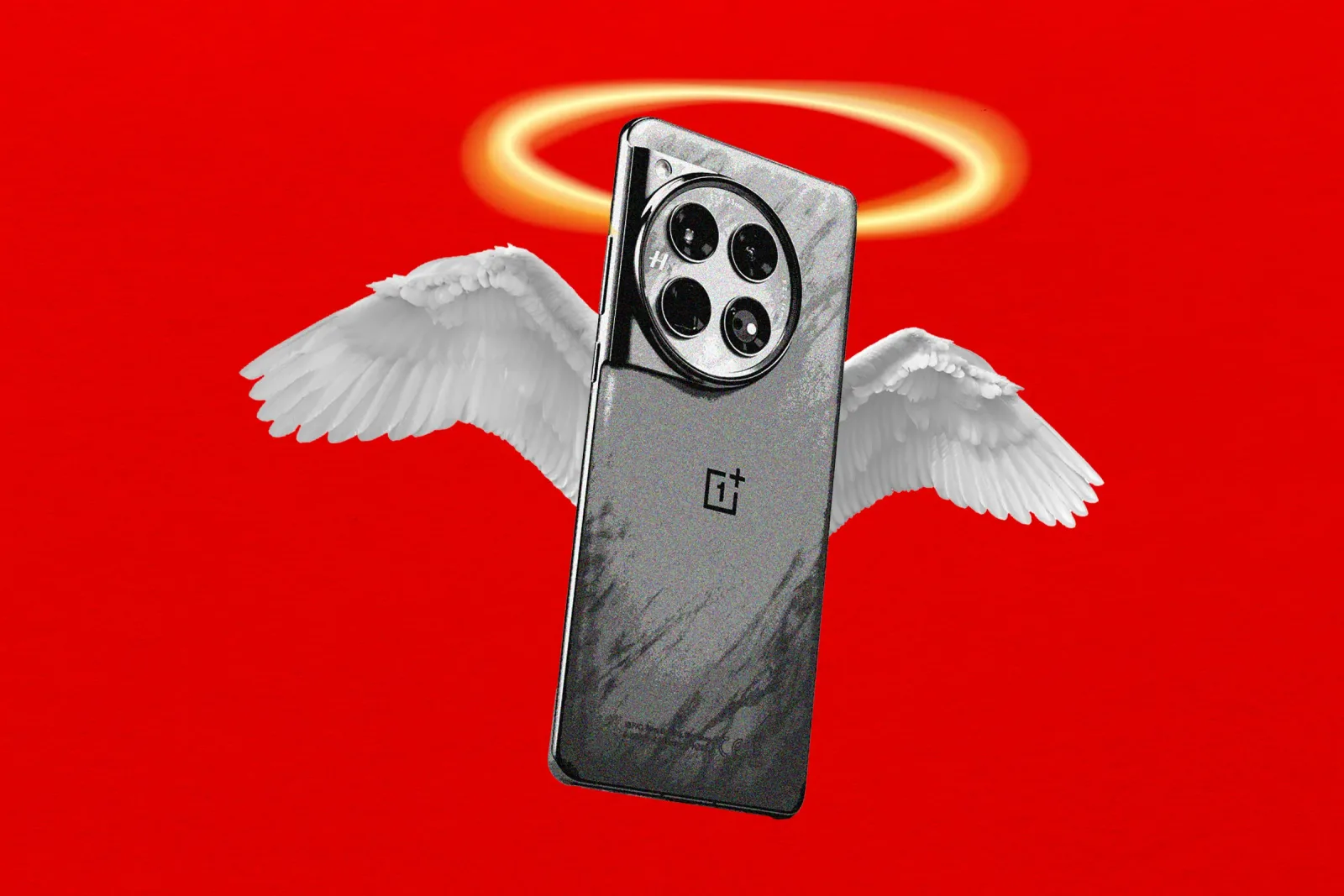
The smartphone landscape is shifting once again, and this time it is leaving a familiar name behind. OnePlus, the brand that famously disrupted the market thirteen years ago with its blend of top-end specs and affordable pricing, is effectively ending its flagship-killer era. According to recent reports, the company is exiting the North American and European markets to concentrate its resources on China.
This move marks a significant retreat for a brand that once promised to democratize high-performance mobile technology. The original OnePlus phones were celebrated for offering near-flagship experiences at mid-range prices. That model worked well when the market was less saturated and consumer expectations for value were lower.
Today, the global smartphone market is incredibly competitive. Established giants like Apple and Samsung dominate the premium segment, while Chinese brands such as Xiaomi and Oppo have aggressively captured the value-conscious segments. OnePlus found itself squeezed in the middle, struggling to justify its premium pricing against cheaper alternatives and its own parent company, Oppo.
The decision to pull out of Western markets is not just about sales figures. It reflects a strategic realignment toward a region where the brand has stronger infrastructure and brand recognition. China remains a critical battleground for smartphone innovation and scale. By focusing there, OnePlus hopes to stabilize its core business rather than bleed resources in highly competitive Western territories.
For AI enthusiasts and tech professionals, this shift highlights the fragility of hardware brands in a software-driven world. The value proposition of hardware alone is diminishing as AI features and ecosystem integration become the primary differentiators. Brands that cannot leverage AI to create unique user experiences will struggle to maintain relevance.
The exit also underscores the importance of regional strategy in global tech. What works in one market may not translate to another due to regulatory, cultural, and competitive differences. Companies must be agile enough to pivot when their core assumptions no longer hold true.
What this means for you: As AI tools become more integrated into everyday devices, the hardware itself becomes a vessel for software experiences. When evaluating new tech purchases, prioritize devices that offer seamless AI integration and ecosystem support over raw specifications. Consider trying this workflow with an AI assistant: ask it to compare the AI capabilities of current flagship smartphones in your region, focusing on on-device processing and privacy features, to make a more informed decision based on future-proofing rather than just specs.
Reporting basis: original story
← back to The Wire