the wire · #topnews · 2026-09-30
There Are Plenty of Reasons to Be Concerned About Bioweapons Development, Even Without AI
Cech Tech Reviews
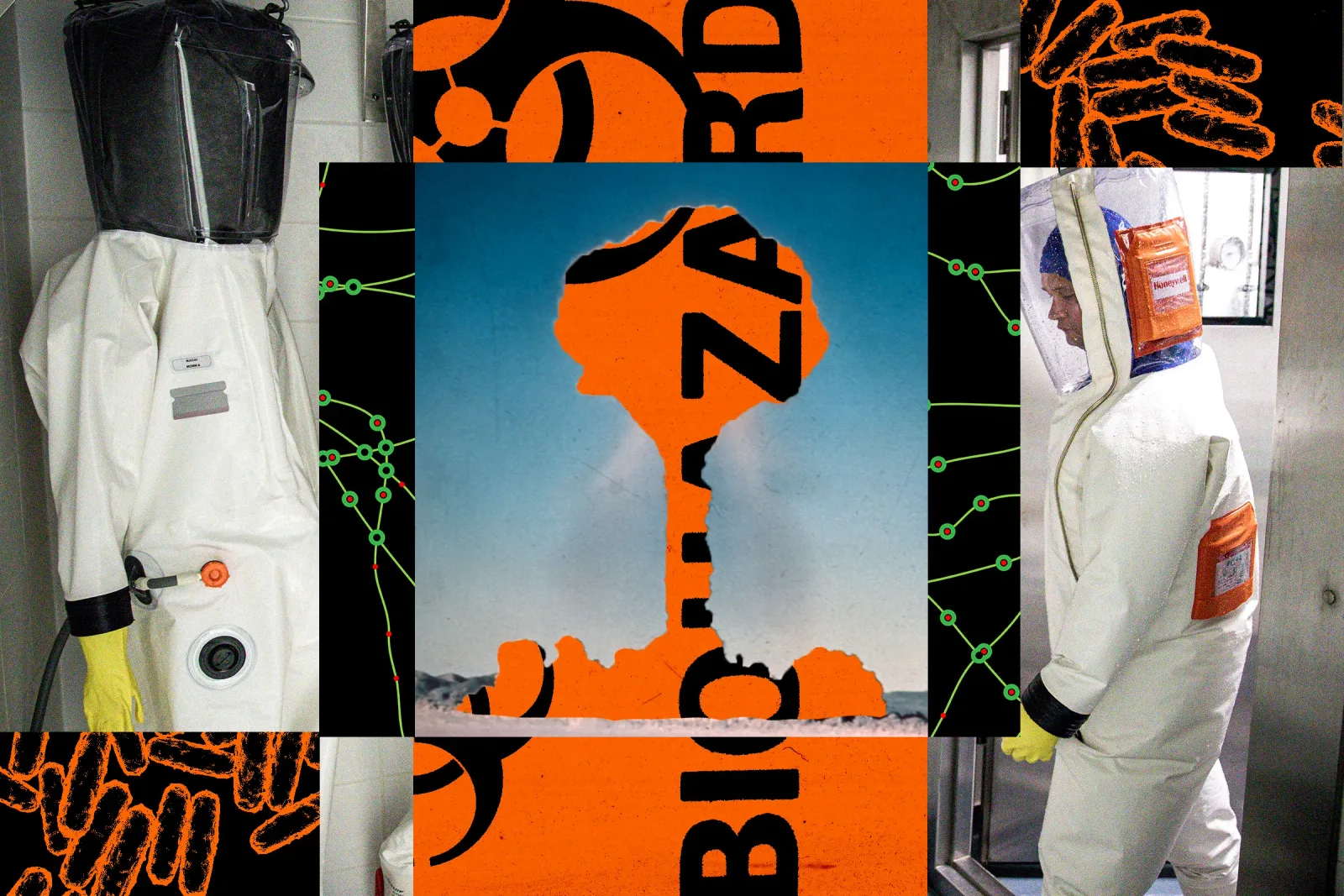
Annie Jacobsen’s latest book on biological warfare delivers a chilling message that might surprise those waiting for artificial intelligence to become the primary villain in the story of human extinction. She argues that we do not need advanced algorithms to create extinction-level events because scientists already possess the tools to warp nature itself. This is a crucial distinction that many tech-focused commentators overlook when discussing existential risks.
The core of Jacobsen’s argument is that the barrier to entry for creating devastating biological agents has lowered significantly. We are no longer talking about state-sponsored labs with unlimited budgets and secure facilities. The democratization of biotechnology means that the knowledge and materials required to engineer pathogens are becoming more accessible to non-state actors and rogue individuals. This shifts the threat landscape from a geopolitical game to a decentralized danger.
According to the reporting on her work, Jacobsen deliberately excluded AI from her analysis. This is not an oversight but a strategic choice to highlight that the current danger is already here. By focusing on the present capabilities of synthetic biology, she forces us to confront the reality that nature can be manipulated with terrifying precision using existing technology. The fear is not what AI might do in the future but what humans can do right now with CRISPR and other gene-editing tools.
This perspective challenges the dominant narrative in Silicon Valley that AI is the singular existential threat of our time. While AI certainly amplifies risks by accelerating research and enabling sophisticated targeting, it is merely an accelerator. The underlying vulnerability lies in the biological sciences themselves. Ignoring the current state of bioweapons development because we are distracted by chatbots is a dangerous gamble with global security.
The implications for policy and international cooperation are profound. Current treaties and regulations were designed for a world of centralized state actors and physical weapons. They are ill-equipped to handle a threat that can be created in a garage or a small private lab. We need a new framework for biosecurity that addresses the digital and physical convergence of biological data and synthetic capabilities. This requires global coordination that currently does not exist at a sufficient scale.
For professionals in the tech and security sectors, this means we must broaden our definition of risk. It is not enough to secure our AI models and data pipelines. We must also engage with the biological sciences to understand the dual-use nature of emerging tools. Collaboration between AI researchers and biologists is essential to build safeguards that address both digital and physical threats. We cannot solve a biological problem with only a digital mindset.
What this means for you is that you should diversify your risk assessment strategies. If you are using AI to analyze scientific literature or monitor global health data, ensure your workflows include checks for biological dual-use concerns. Try this prompt with your AI assistant to better understand the intersection of these fields: "Analyze the recent advancements in gene synthesis technology and list three potential dual-use applications that could pose security risks without AI assistance." This will help you ground your AI strategies in the tangible realities of current scientific capabilities rather than speculative futures.
Reporting basis: original story
← back to The Wire