the wire · #topnews · 2026-09-30
NASA has a Dragon dilemma, and there appear to be no good answers
Cech Tech Reviews
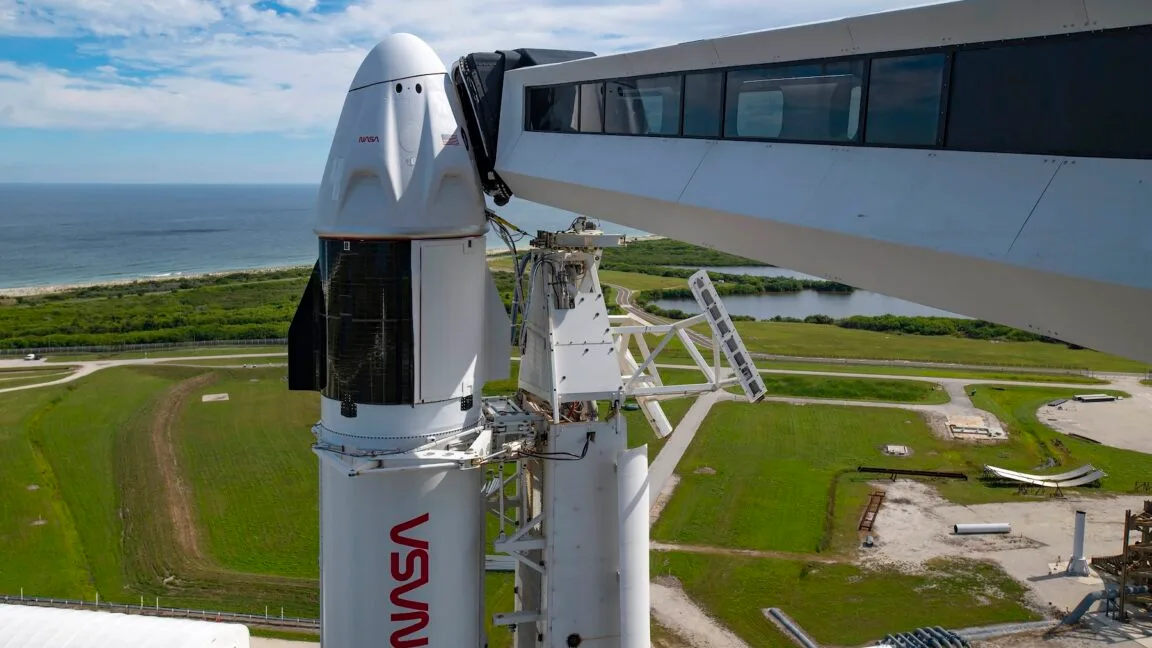
NASA has spent the last twenty years trying to do something revolutionary. They wanted to turn low-Earth orbit from a government-only playground into a bustling commercial marketplace. The goal was simple yet ambitious. They hoped to stimulate private companies to build safe and cost-effective transportation systems for the International Space Station. This strategy was meant to shift NASA from being the sole operator to just one customer among many in a thriving space economy.
According to recent reporting, that vision is facing a significant reality check. The agency is now grappling with what can only be described as a Dragon dilemma. SpaceX has become so dominant in the cargo delivery sector that it effectively controls the lifeline to the space station. This monopoly status undermines the competitive ecosystem NASA worked so hard to cultivate. It raises uncomfortable questions about whether a single vendor can truly sustain a diverse commercial industry.
The philosophy laid out by NASA in April 2024 was clear. They want a robust commercial space economy that advances American industry. They believe in fostering innovation through in-space work and research. However, innovation rarely thrives in a vacuum. It needs competition to drive down costs and improve reliability. When one company holds all the cards, the market dynamics shift in ways that may not benefit the broader industry.
This situation highlights a common trap in emerging tech sectors. Early movers often capture the entire market before competitors can scale. SpaceX achieved this through rapid iteration and vertical integration. While this benefits NASA in the short term by ensuring mission success, it creates long-term risks. If SpaceX faces any operational delays or financial issues, the entire U.S. space infrastructure could be jeopardized. There is no backup plan that is equally reliable or cost-effective right now.
The implications for other players in the space sector are stark. New entrants find it nearly impossible to compete against a incumbent that has already secured the primary government contract. This lack of diversity stifles the very technological discovery NASA claims to promote. We are seeing a consolidation of power that mirrors early internet monopolies. The difference is that space infrastructure is far more capital intensive and harder to disrupt.
For AI and tech professionals, this is a case study in platform dependency. Just as companies rely on a single cloud provider, NASA relies on a single launch vehicle. This concentration of risk is dangerous for any critical infrastructure. The lesson here is that fostering competition is not just about economics. It is about resilience and security. Governments must actively intervene to prevent monopolies from forming in strategic sectors.
What this means for you is that you should always have a fallback plan for critical tools. Whether it is a specific AI model or a cloud service, relying on a single provider is a strategic vulnerability. You can mitigate this by using multi-model strategies. Try this prompt to evaluate your current dependencies: Identify the top three critical AI tools in my workflow and list two alternative options for each that offer similar functionality but are from different vendors. This simple exercise can help you build a more resilient tech stack.
Reporting basis: original story
← back to The Wire