the wire · #topnews · 2026-09-30
Furry Airline Pilots Are Just Minding Their Own Business
Cech Tech Reviews
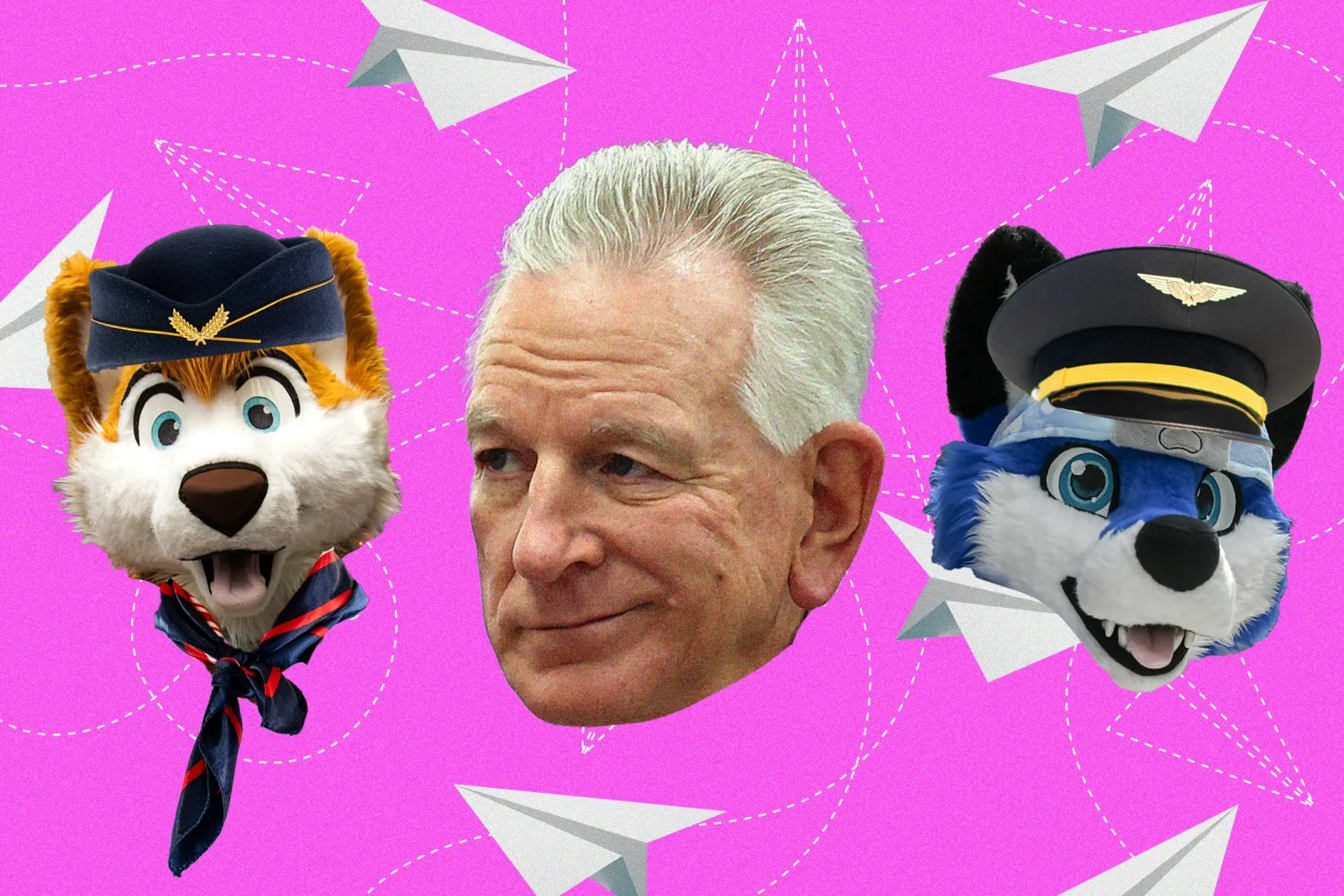
The recent controversy sparked by Senator Tommy Tuberville’s comments about airline pilots being furries has ignited a fierce debate about identity, professionalism, and the boundaries of digital life. According to reports, the Senator expressed concern that pilots might be engaging in adult content or inappropriate behavior online, suggesting a fundamental misunderstanding of how modern subcultures operate. This reaction has drawn sharp pushback from the community itself, with members emphasizing that their hobbies are strictly separate from their high-stakes careers.
The core of the issue lies in the disconnect between traditional authority figures and the nuanced reality of internet subcultures. As one pilot stated, they are furries at home and airline pilots at work, treating these as two entirely distinct aspects of their lives. This distinction is crucial because it challenges the assumption that online personas or hobbies inherently compromise professional competence or safety. The Senator’s rant seems to stem from a fear of the unknown rather than any evidence of actual misconduct.
This incident reflects a broader trend where digital identities are becoming more fragmented and compartmentalized. In the past, a person’s public and private selves were often conflated, but today, individuals can maintain separate online communities without it affecting their real-world responsibilities. The furry community, like many others, has strict social norms that prioritize consent, creativity, and respect, which align surprisingly well with the rigorous safety standards of the aviation industry.
From an AI and tech perspective, this highlights the importance of context-aware AI systems. As we integrate more AI into hiring, background checks, and professional monitoring, we must ensure these tools do not misinterpret harmless hobbies as red flags. Algorithms that flag online activity without understanding context could lead to unfair discrimination against individuals who participate in niche communities. We need AI that can distinguish between professional risk and personal expression.
The backlash also underscores the power of community self-regulation. Online groups have developed robust internal codes of conduct that often exceed societal expectations for decency. When a senator or public figure dismisses these norms, it often backfires, leading to increased visibility and support for the community. This dynamic is common in tech culture, where outsider criticism frequently strengthens insider cohesion.
For professionals in the AI and tech sectors, this serves as a reminder to avoid cultural bias in our tools and policies. Assuming that unconventional hobbies indicate unprofessionalism is not only inaccurate but also limits the talent pool. The aviation industry, for instance, prioritizes psychological stability and adherence to protocol, traits that are not determined by one’s interest in anthropomorphic art.
What this means for you: As you build or use AI tools for screening or analysis, ensure your models are trained to recognize context. Avoid flagging benign subcultural participation as a risk factor. Try this prompt with your AI assistant to refine your data filtering logic: "Analyze this list of online interests and categorize them by professional relevance. Exclude creative hobbies that do not involve illegal activity or conflict of interest, and explain why each exclusion is justified."
Reporting basis: original story
← back to The Wire