the wire · #ai · 2026-08-08
What's behind the Google AI shake-up
Cech Tech Reviews
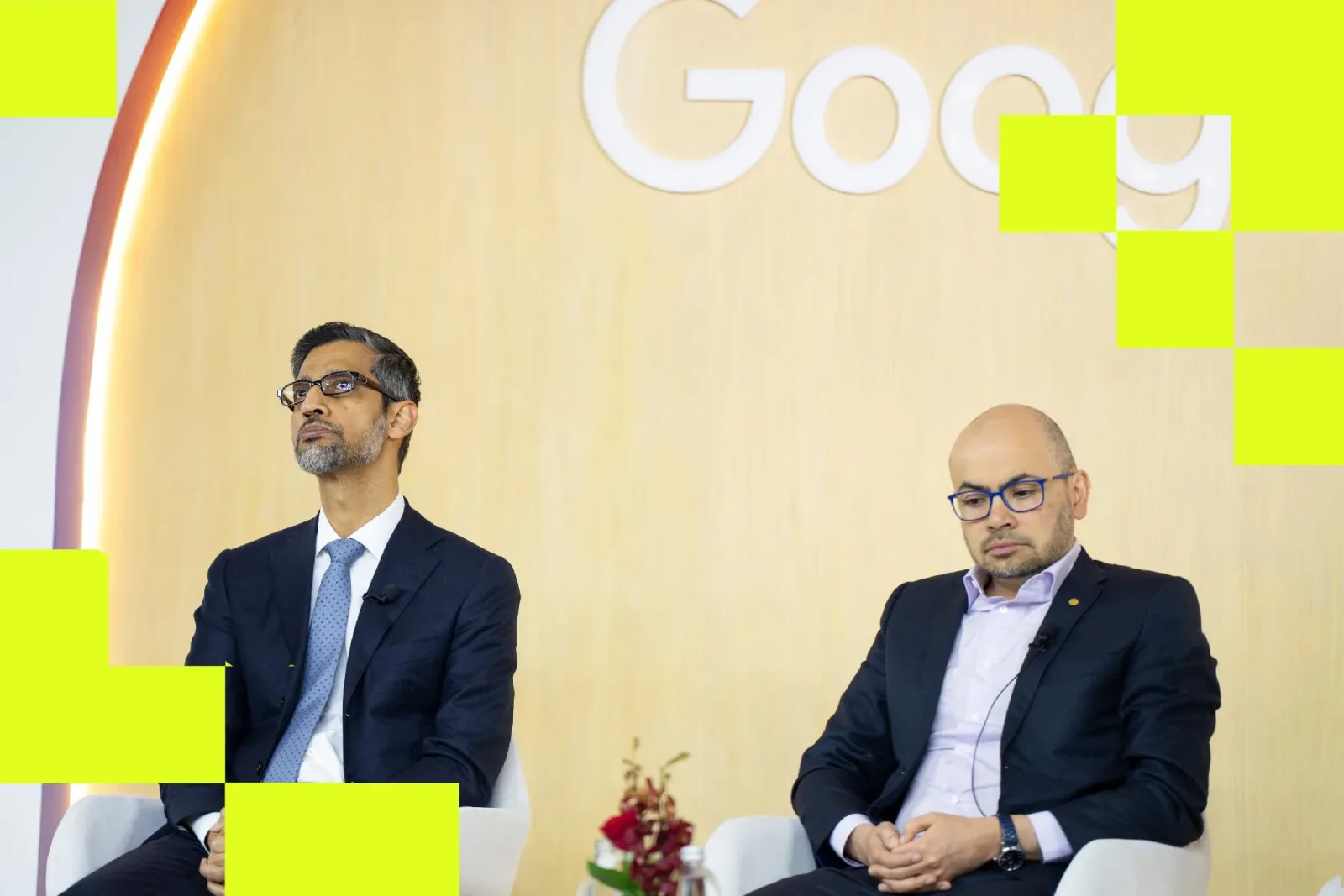
Google just reshuffled some major pieces on its AI chessboard, and the timing raises questions. Jeff Dean, one of the company's most respected engineers and a key figure in its AI efforts, is out. Other top leaders got new assignments. According to The Verge, this has people wondering whether Google is struggling to keep up in the race it helped start.
The context matters here. Google invented the transformer architecture that powers today's LLMs, but OpenAI's ChatGPT and Anthropic's Claude have captured mindshare and often outperform Google's models in real-world use. When the company that wrote the foundational research is being outmaneuvered by startups, leadership changes look less like routine shuffling and more like a response to pressure.
One theory floated by The Vergecast is that Demis Hassabis, who leads Google DeepMind, wants to work on problems more interesting than incremental assistant upgrades. That tracks with his background in neuroscience and AGI research. Google may be trying to give its top minds room to chase breakthrough work instead of grinding on product features that compete with ChatGPT.
But there's a structural issue too. Google is a search and ads company trying to cannibalize its own business model with AI. OpenAI and Anthropic don't have that baggage. They can move faster, take bigger risks, and ship products that disrupt existing revenue streams without internal politics getting in the way.
The shake-up could also be about accountability. When your models consistently lag the competition despite having more resources and the research team that invented the underlying tech, someone has to own that gap. Moving leaders around is one way to signal change without admitting the strategy was wrong.
What this means for you: if you're building workflows around AI models, don't assume Google will close the gap quickly. Anthropic and OpenAI have momentum, and organizational changes take time to show results. For now, test your critical workflows across multiple providers. Try this prompt with Claude, GPT-4, and Gemini to compare quality for your use case: "Analyze this [document/data/problem] and give me three actionable insights I can use this week, ranked by impact." See which model gives you the most useful output, then build your process around that.
Reporting basis: original story
← back to The Wire