the wire · #ai · 2026-08-05
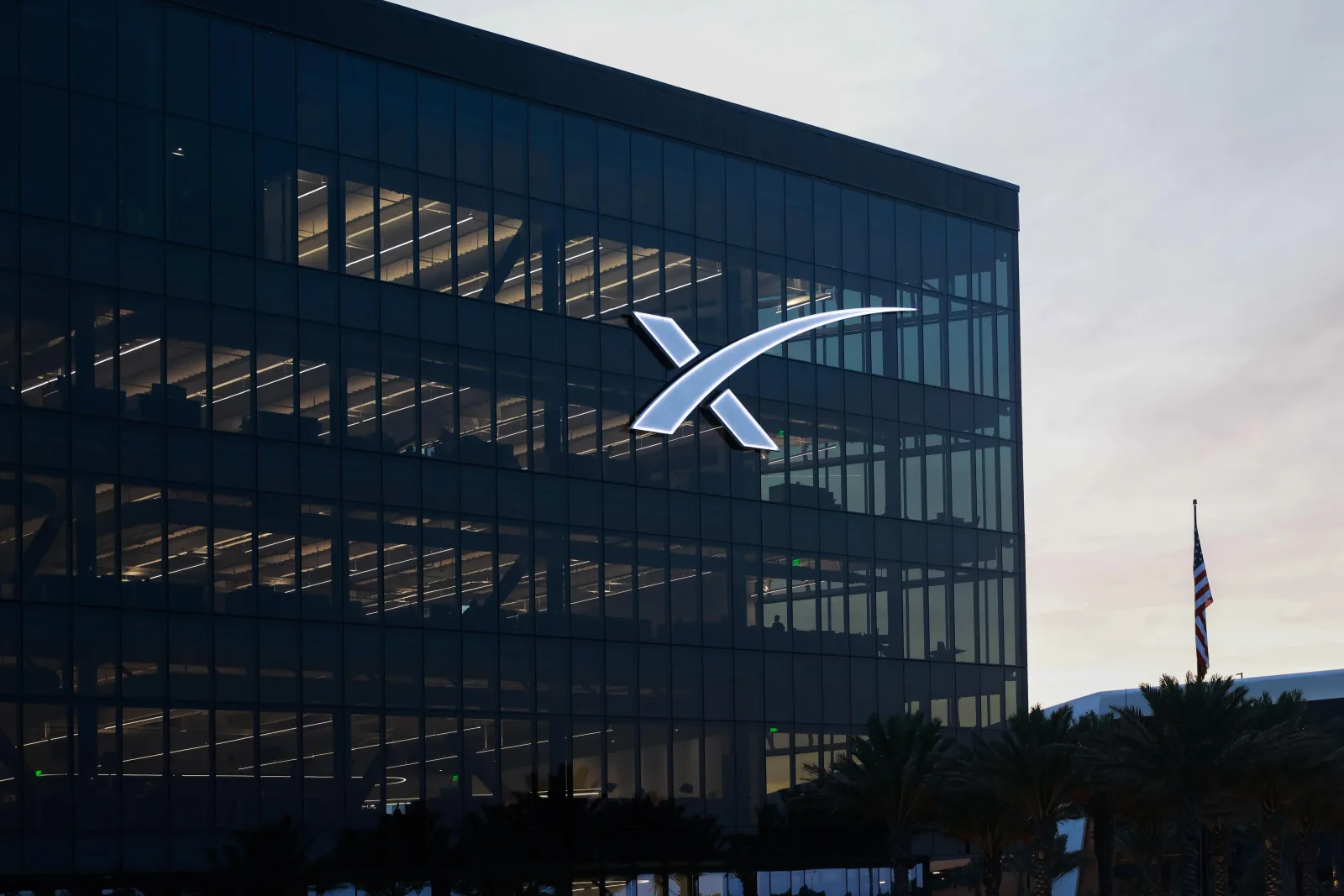
SpaceX is barely Space and mostly X
Cech Tech Reviews

SpaceX just released its first public earnings report, and the numbers tell a surprising story, according to The Verge. The company that defined the new space race is now generating less than 10 percent of its revenue from actual space launch services. Starlink telecom and xAI compute rentals are doing the heavy lifting.
This is a classic pivot story, but one that raises real questions about what SpaceX actually is anymore. The launch business pulled in under a billion dollars this quarter, and SpaceX remains its own biggest rocket customer. That's not a sign of a thriving commercial launch market. It's a sign that the demand for frequent, cheap orbital access hasn't materialized the way the industry promised.
What actually happened here is that Elon Musk built the infrastructure for a space company and then realized the better business was selling internet from space and renting GPUs to his own AI venture. Starlink is the revenue engine now, a global ISP play that happens to use rockets as a deployment mechanism. The xAI acquisition folded a compute rental business into the mix, turning SpaceX into a diversified tech conglomerate that occasionally launches things.
The branding dissonance is real. Calling this entity SpaceX when space is the side hustle feels like calling Amazon a bookstore in 2026. It's technically true in origin but wildly misleading about what the company does day to day. The Verge rightly points out the weirdness of the naming, but the bigger issue is what it signals about the commercial space industry's actual economics.
For context, this mirrors how many infrastructure companies evolve. AWS started as internal compute for an online retailer and became the profit center. Starlink followed the same playbook, it's just that the public still thinks of SpaceX as a rocket company because that's the cinematic part. The boring part, beaming internet and renting servers, is what pays the bills.
The acquisition of xAI, Musk's struggling AI venture, now makes more sense in this light. It wasn't a space company buying an AI lab. It was a telecom and compute infrastructure company absorbing a customer and revenue stream. The problem is the optics: it looks like privatizing profit from a company built on NASA contracts and public subsidies, then socializing risk by tying it to a speculative AI bet.
What this means for you: if you're tracking where AI infrastructure investment is actually flowing, watch the telecom and connectivity layer, not just the model labs. The companies controlling satellites, fiber, and edge compute are positioning to be the real gatekeepers. Here's a prompt to try with your AI assistant: "Analyze the last five years of [company name] revenue by segment and identify which business unit is actually driving growth, then summarize the strategic implications in three bullets." It's a quick way to cut through branding and see what a company really does.
Reporting basis: original story
← back to The Wire