the wire · #ai · 2026-08-06
Google Maps adds agentic features, including food ordering and hotel bookings
Cech Tech Reviews
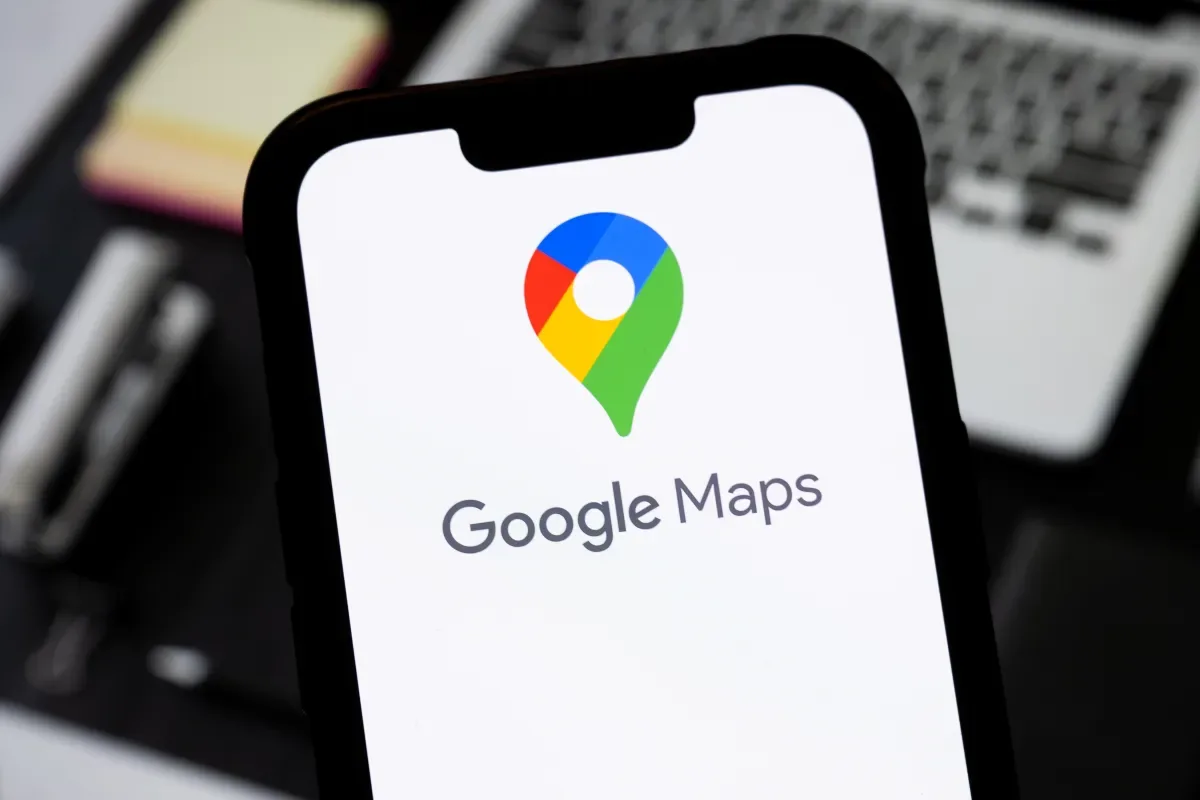
Google is turning Maps into an AI concierge that handles errands, not just directions. The company is rolling out agentic features that let the app book hotel rooms and order food on your behalf, moving well beyond the turn-by-turn navigation it was built for.
This is part of Google's broader push to make AI assistants feel less like a separate product you have to remember to open and more like intelligence baked into apps you're already using every day. Instead of asking Gemini to find a restaurant and then switching to Maps to navigate there, Maps itself can now handle the discovery, decision, and transaction in one flow.
The timing matters. OpenAI is testing similar agent capabilities through ChatGPT, and Anthropic is pitching Claude as a tool that can interact with software on your behalf. Google's advantage here is distribution. Maps has over a billion users who trust it for local information. Adding transactional AI on top of that existing behavior is a faster path to adoption than teaching people to use a new AI interface.
What's notable is that Google is describing these as agentic features, meaning the AI doesn't just suggest options but can act on them with your permission. That's a meaningful shift from recommendation engines to tools that complete multi-step workflows autonomously. It also raises questions about how Google will handle the commercial side, since booking integrations typically involve referral fees or partnerships that could influence what the AI recommends.
For competitors like Yelp or OpenTable, this is a direct threat. If Google Maps becomes the default place to not just find but also book restaurants and hotels, third-party discovery platforms lose their role in the user journey. It's the classic platform risk of building on top of Google's ecosystem.
The broader pattern here is that every major tech company is racing to make their AI useful in practical, everyday contexts rather than just impressive in demos. Google Maps ordering your lunch is a lot less flashy than a chatbot writing code, but it might be stickier because it removes friction from something you were going to do anyway.
What this means for you: if you're building AI tools or workflows, think about where your assistant can take action, not just provide answers. The next generation of useful AI removes steps from tasks people already do. Try this prompt with your AI assistant: "Walk me through booking a dinner reservation for four people this Saturday. What information do you need from me, and what steps could you automate if you had access to my calendar and preferred restaurants?" Use the response to map out where agents could save you time in your own workflows.
Reporting basis: original story
← back to The Wire