the wire · #topnews · 2026-07-03
When the Law Kills Your Electric Car Dealership
Cech Tech Reviews
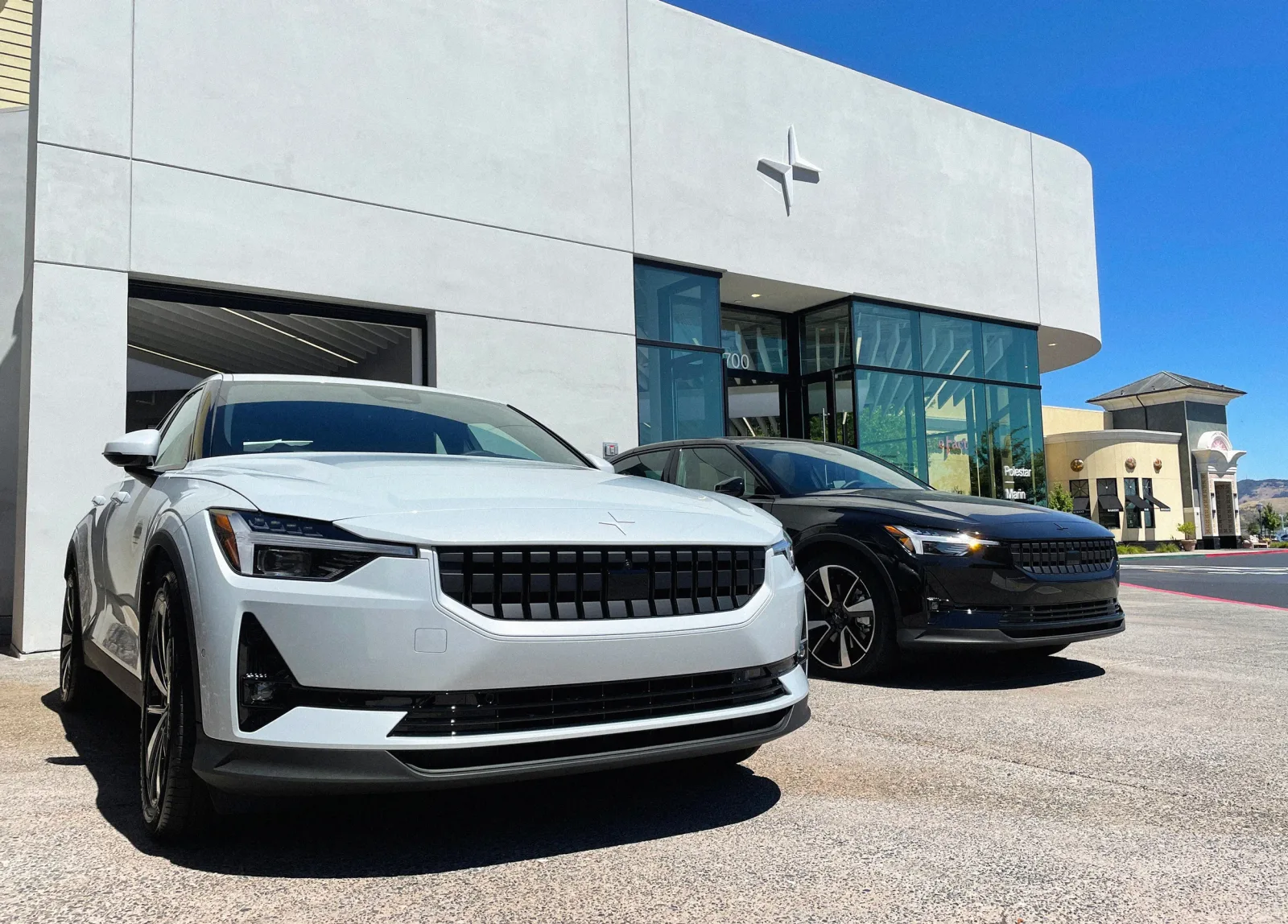
The electric vehicle landscape just got significantly more complicated for American dealerships. According to recent reporting, Polestar will be unable to sell its vehicles in the United States next year. This decision stems from a federal government denial of an authorization that would have exempted the company from new Chinese technology bans.
This is not just a corporate strategy shift. It is a direct regulatory intervention that disrupts existing business models. Dealers who invested capital in inventory and showrooms based on the assumption of continued Polestar availability are now facing sudden uncertainty. The waiver denial effectively blocks their primary revenue stream for this specific brand.
The core issue revolves around national security concerns regarding Chinese tech influence. The federal government has drawn a hard line on components and software that may pose risks. Polestar, despite its Swedish heritage, has deep ties to Geely, a Chinese automotive giant. This connection triggered the regulatory scrutiny that ultimately led to the denied authorization.
For the automotive industry, this signals a new era of geopolitical risk management. It is no longer enough to focus on battery supply chains or raw materials. Software architecture and parent company affiliations are now under intense examination. Companies must navigate a complex web of international regulations that can change overnight.
This situation also highlights the fragility of the EV market. Consumers are already hesitant about charging infrastructure and range anxiety. Adding regulatory uncertainty and potential brand withdrawals makes the proposition even riskier. Dealers are left holding the bag for investments that were made in good faith based on previous regulatory interpretations.
The broader implication is that the US market is becoming increasingly insulated from global EV players with Chinese ties. This could slow down the adoption of certain technologies or models that rely on cross-border collaboration. It forces a reevaluation of how global brands structure their operations to comply with divergent regulatory environments.
What this means for you: If you are an entrepreneur or professional in the auto or tech sector, monitor regulatory waivers closely. They are becoming critical determinants of market access. Try using an AI assistant to analyze recent federal register updates for your industry. Prompt: "Summarize recent federal regulatory changes affecting [your industry] and identify potential compliance risks for international partnerships."
The path forward requires agility and deep legal insight. Businesses must build contingency plans for scenarios where geopolitical tensions impact product availability. The era of assuming stable global supply chains is over. Adaptation is now a core competency for survival in the modern tech and automotive markets.
Reporting basis: original story
← back to The Wire