the wire · #topnews · 2026-07-01
Penalty Shootouts: Is the Team That Kicks First More Likely to Win?
Cech Tech Reviews
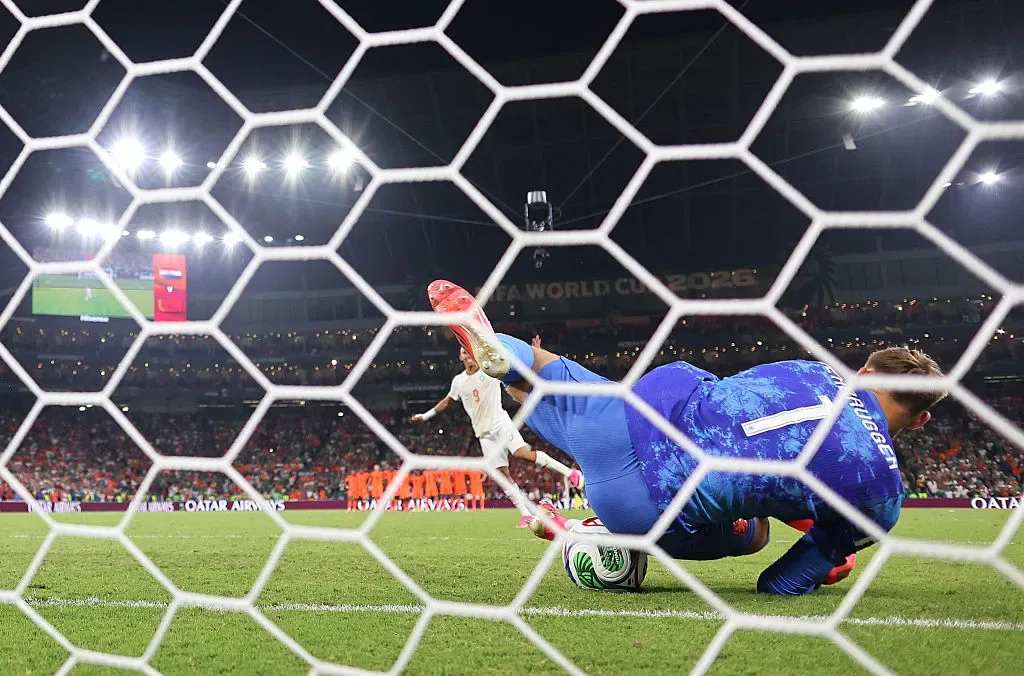
The recent World Cup has once again highlighted the dramatic nature of penalty shootouts. These moments often decide the fate of tournaments, creating intense pressure for players and fans alike. According to recent analysis, the team kicking first appears to have a statistical advantage in these high-stakes scenarios.
However, the reason behind this advantage is not what most people assume. It is not about technical skill or preparation. The edge comes from psychological factors that affect performance under extreme stress. This insight offers a fascinating parallel to how we approach complex decision-making in technology and AI systems.
In penalty kicks, the team kicking second knows exactly what they need to do to win or draw. This knowledge creates a different kind of pressure. The first kicker faces the uncertainty of the unknown. They must perform without the benefit of immediate feedback from the opponent. This dynamic shifts the mental load significantly.
This psychological burden is similar to how AI models handle ambiguous inputs. When an AI system lacks clear context or prior examples, it may struggle to make optimal decisions. The pressure to perform correctly without sufficient data can lead to suboptimal outcomes. This is a critical consideration for developers building autonomous systems.
The World Cup example shows that context matters more than raw ability. A skilled player might fail if the psychological pressure is too high. Similarly, a powerful AI model might produce poor results if the input data is noisy or incomplete. Understanding these environmental factors is key to improving performance in both sports and technology.
For AI professionals, this means we must design systems that account for uncertainty. We need to build in safeguards that help models handle high-pressure situations. This could involve providing more context or allowing for iterative refinement. The goal is to reduce the cognitive load on the system, much like reducing pressure on a kicker.
What this means for you: When designing AI workflows, consider the psychological equivalent of the kicking order. If your AI system is making critical decisions without full context, it may underperform. Try using an AI assistant to simulate high-pressure scenarios. Ask it to generate multiple solutions for a problem, then evaluate them under different constraints. This helps you understand how context impacts decision-making and allows you to build more robust systems.
Reporting basis: original story
← back to The Wire