the wire · #topnews · 2026-07-02
How Trump Helped China Make America’s Cheapest EV
Cech Tech Reviews
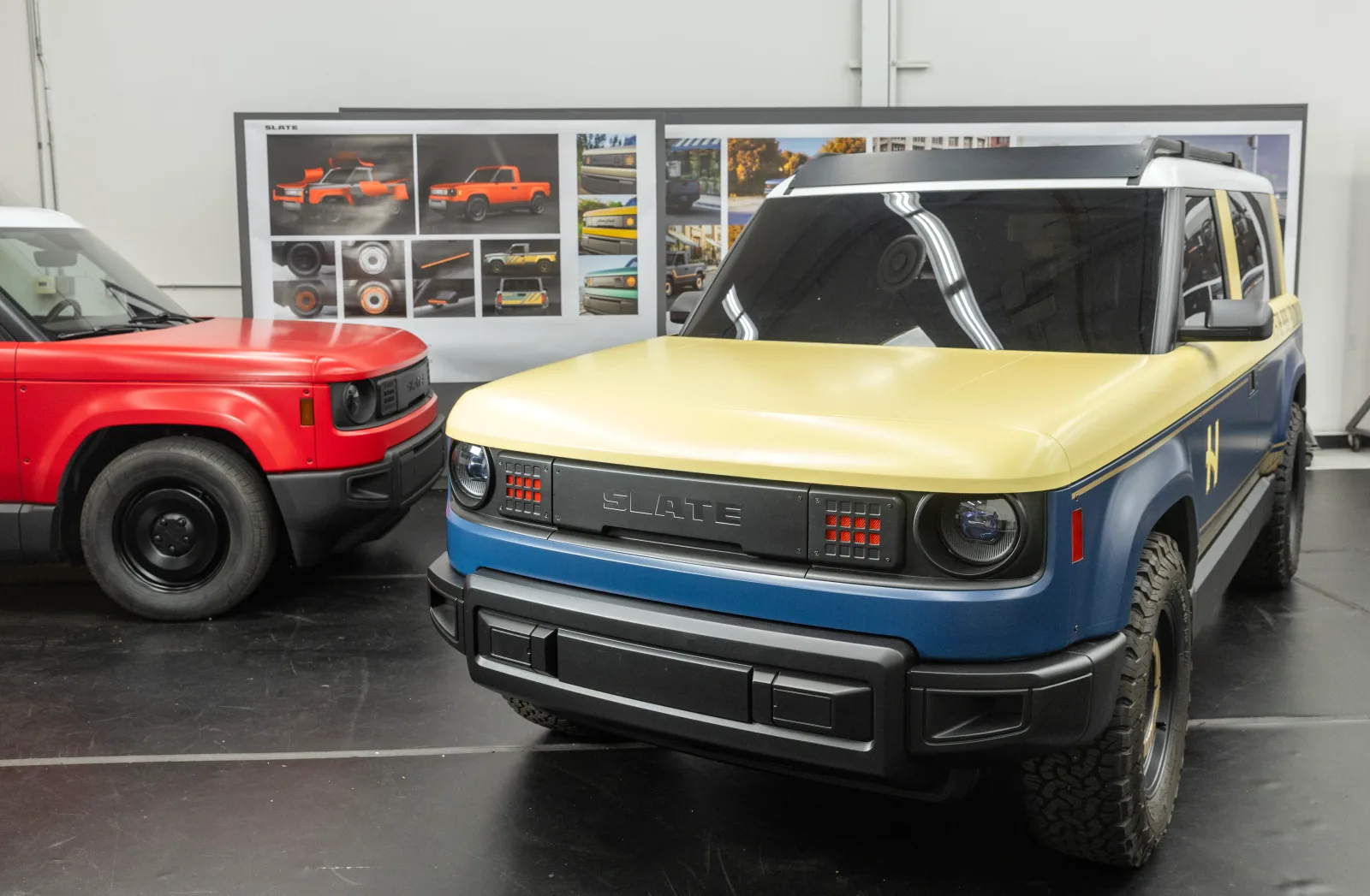
The narrative that American electric vehicles are becoming truly domestic is facing a stark reality check. According to reporting by Slate, major US automakers are increasingly turning to lower-cost batteries perfected in China. This trend is not just a market choice but a direct consequence of recent policy shifts that have altered the economic landscape for electric vehicle production.
The repeal of certain EV tax credits has played a significant role in this transition. These credits previously required that critical materials be sourced domestically to qualify for consumer incentives. Without these mandates, the financial pressure to keep production costs low has pushed manufacturers toward the most efficient and affordable supply chains available, which currently reside largely in China.
This development creates a complex political and economic paradox. While political rhetoric often emphasizes reducing reliance on foreign adversaries, the practicalities of mass-market EV adoption require cost competitiveness. Chinese battery technology has advanced rapidly, offering a level of efficiency and price point that US-based alternatives have struggled to match without substantial subsidies.
The irony is palpable when considering the broader geopolitical context. Policies intended to bolster American manufacturing independence may have inadvertently accelerated the integration of Chinese technology into American vehicles. This suggests that decoupling the EV supply chain is far more difficult than policymakers initially anticipated.
For the average consumer, this means that the price of electric vehicles may remain competitive, but the origin of their core components will continue to be tied to global, rather than purely domestic, networks. The distinction between an American-made EV and a Chinese-assembled one is becoming increasingly blurred in terms of both cost and technology.
This shift also raises questions about long-term energy security and industrial strategy. If the US continues to rely on Chinese battery technology for its cheapest EVs, it may find itself in a vulnerable position during future geopolitical tensions. The current approach prioritizes immediate affordability over strategic independence.
What this means for you: As an AI professional, you should monitor how supply chain dependencies affect tech hardware availability and pricing. Consider using an AI tool to analyze news sentiment around EV supply chains to predict potential disruptions or price changes in consumer electronics that rely on similar battery technologies.
Try this prompt with your AI assistant: Analyze recent news about EV battery supply chains and identify three key risks for US manufacturers that rely on foreign components. Summarize the potential impact on consumer pricing and suggest mitigation strategies for tech companies that use these vehicles in their fleets.
Reporting basis: original story
← back to The Wire