the wire · #topnews · 2026-06-29
Yeasound RIC800 Hearing Aids Review: Good Audio, Glitchy App
Cech Tech Reviews
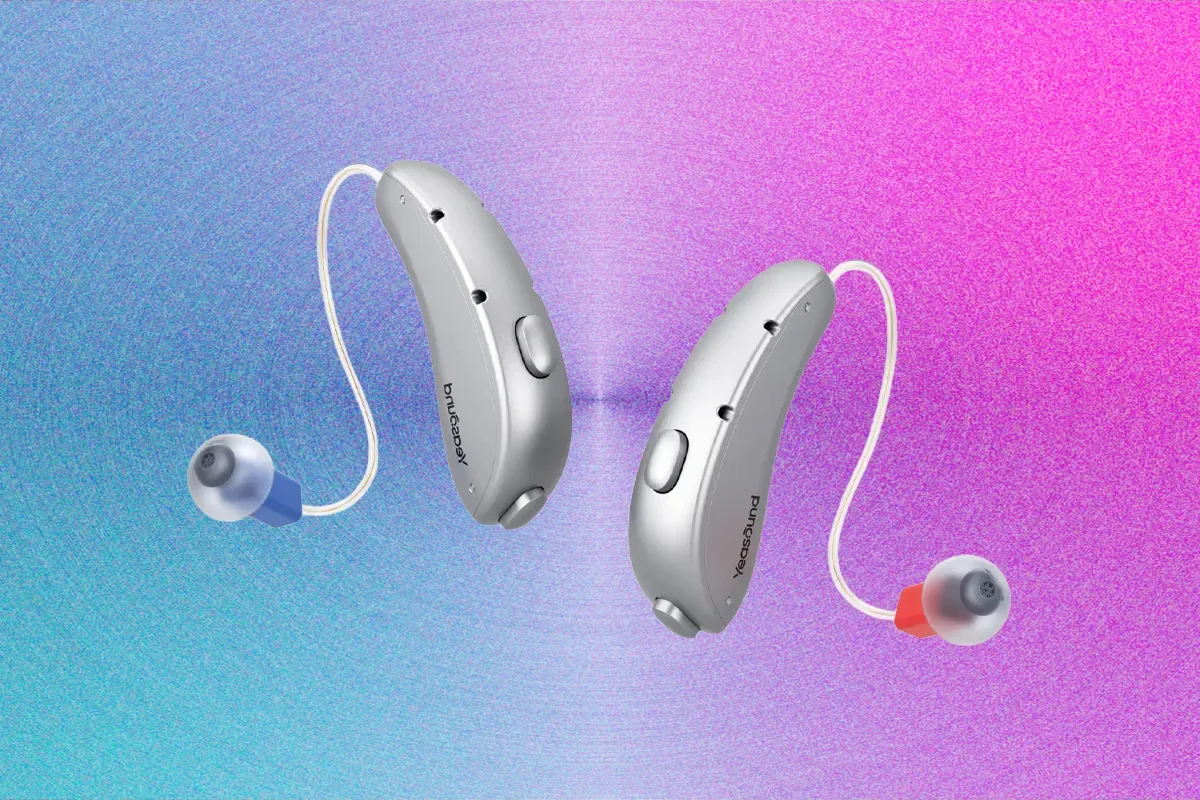
The Yeasound RIC800 hearing aids present a familiar paradox in the world of consumer electronics: excellent hardware undermined by subpar software. Reviewers have lauded its sound quality and innovative features, yet the overall user experience is reportedly marred by a problematic app.
The standout feature for AIdeaFlow readers is the inclusion of “AI-powered noise reduction.” This isn't just about amplifying sound; it signifies an intelligent system capable of discerning and suppressing unwanted background noise while preserving clarity for speech. It's a prime example of how artificial intelligence is moving beyond chatbots to enhance real-world sensory experiences.
Coupled with this is an “automatic speech-focusing system,” indicating a sophisticated algorithm at work. This suggests the device can dynamically adjust its focus to prioritize human voices, adapting to different acoustic environments rather than simply applying a static filter. Such capabilities promise a more natural and less fatiguing listening experience for users.
Adding to the user-friendly design, the Yeasound RIC800 also incorporates a “simple, effective hearing test.” This feature allows for personalized calibration directly through the device, streamlining a process that might otherwise require a separate specialist visit. It's a valuable convenience that brings advanced customization to the user's fingertips.
However, according to the review, a “glitchy app” severely detracts from these impressive attributes. In an era where most smart devices rely heavily on their companion applications for setup, customization, and feature control, a buggy app can render even the most advanced hardware frustrating to use. It creates a significant barrier to fully leveraging the hearing aids' AI-driven potential.
This situation underscores a broader trend in tech: the increasing importance of a cohesive product ecosystem. For AI-powered gadgets, the app often serves as the direct interface to the intelligence within, allowing users to fine-tune settings or access advanced modes. When this interface fails, the core innovation struggles to shine.
My take is that the Yeasound RIC800 is a perfect case study demonstrating that groundbreaking AI capabilities and superior hardware are only as good as the software that makes them accessible and user-friendly. A frictionless software experience is no longer a luxury but a fundamental component of product success in the age of intelligent devices.
What this means for you: When you're considering purchasing any AI-enhanced hardware, look beyond the core specs and AI buzzwords. Prioritize reviews that speak to the complete user experience, especially the quality and reliability of its companion software. A seamless app is critical to unlocking the true value of any smart device.
AIdeaFlow Workflow Idea: If you're evaluating an AI tool or device, use an AI assistant to analyze user reviews focusing on app quality. Try a prompt like: "Analyze customer reviews for [Product Name] and identify recurring themes related to its companion app's usability, performance, and feature access. Summarize common pain points and suggest potential improvements for future versions."
Reporting basis: original story
← back to The Wire