the wire · #topnews · 2026-06-29
The Anti-Data-Center Movement Is Reshaping Michigan Politics
Cech Tech Reviews
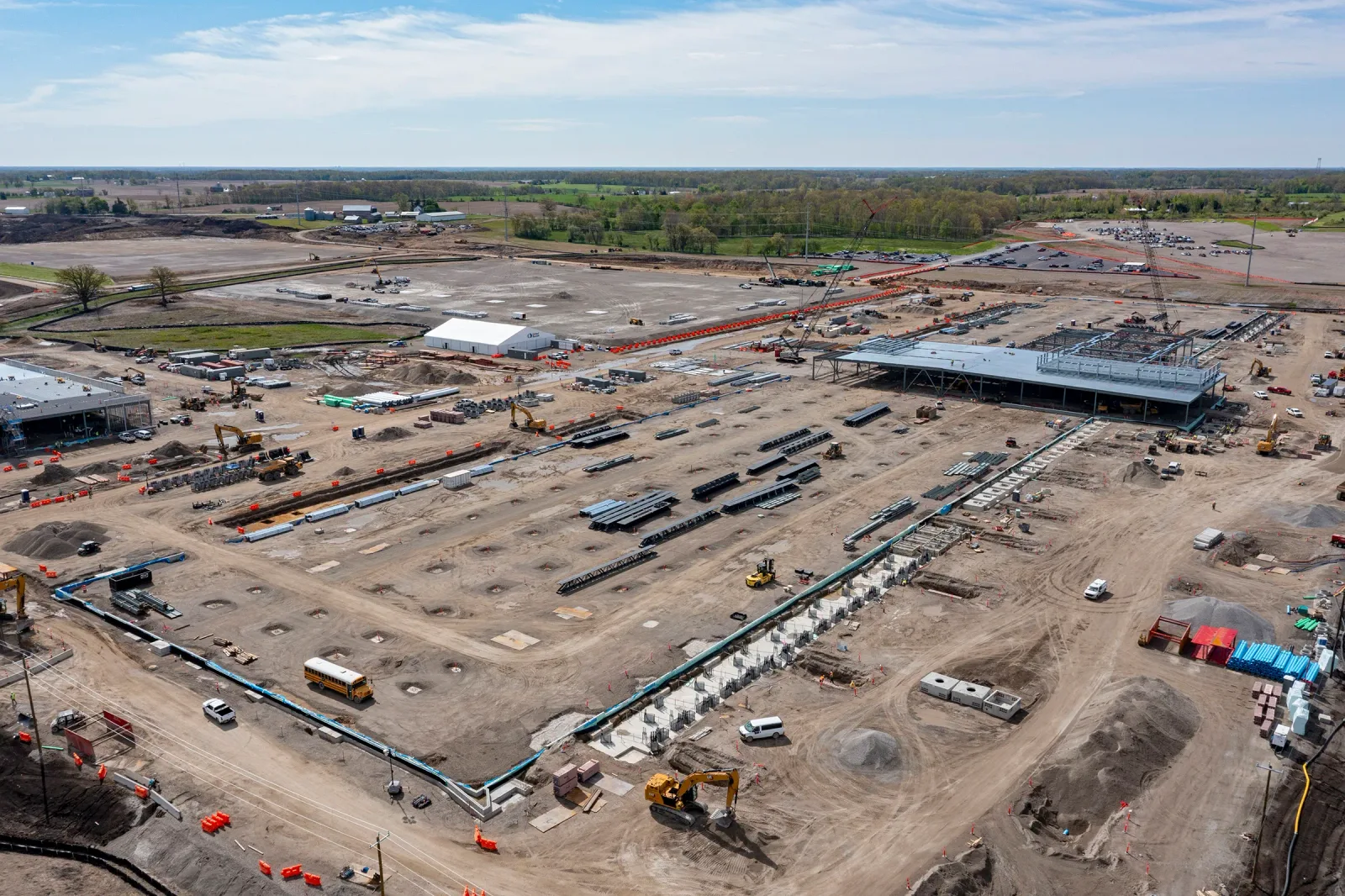
The narrative around artificial intelligence is shifting from pure technological optimism to a more grounded debate about physical footprint. Will Lawrence, a co-founder of the Sunrise Movement, has entered the political arena in Michigan with a specific focus on halting the expansion of data centers. This move signals a broader cultural shift where the environmental cost of AI is becoming a central political issue rather than a peripheral concern.
Lawrence is running for a swing-district seat by advocating for a moratorium on new data center construction. His campaign highlights the friction between the rapid scaling of AI infrastructure and the immediate needs of local communities. This is not just about energy consumption but also about water usage and land allocation in states that are becoming hubs for tech hardware.
According to recent reporting, this strategy leverages Lawrence's established network and credibility in climate activism. By targeting a swing district, he is attempting to translate national climate concerns into local electoral victories. This approach suggests that tech policy is no longer confined to Silicon Valley but is now being contested in the heartland of America.
The rise of large language models has driven an unprecedented demand for computational power. Data centers require massive amounts of electricity and cooling water, which strains local resources. Lawrence's campaign brings these technical realities into the political spotlight, forcing voters to consider the tangible impacts of digital services on their physical environment.
This development reflects a growing trend where AI enthusiasts and entrepreneurs must now engage with environmental regulations and community pushback. The assumption that tech growth is inevitable is being challenged by organized political movements. Professionals in the AI space need to understand that infrastructure deployment is as much a political process as it is an engineering one.
The implications for the industry are significant. Companies building AI infrastructure may face longer approval timelines and increased scrutiny from local governments. This could lead to a more fragmented landscape where regional policies dictate the pace of technological adoption. It also opens opportunities for firms that prioritize sustainable and community-aligned infrastructure solutions.
What this means for you is that staying informed about local tech policies is becoming as important as tracking model releases. As AI tools become more integrated into daily work, the infrastructure supporting them is subject to democratic oversight. You can use an AI assistant to analyze local zoning laws and environmental regulations in your area to better understand the regulatory landscape affecting your industry. Try asking your AI tool to summarize recent municipal meetings or policy proposals related to energy and technology in your specific city or state.
Reporting basis: original story
← back to The Wire