the wire · #gadgets · 2026-10-29
You can now spend between $1,999 and $14,549 on a MacBook Pro
Cech Tech Reviews
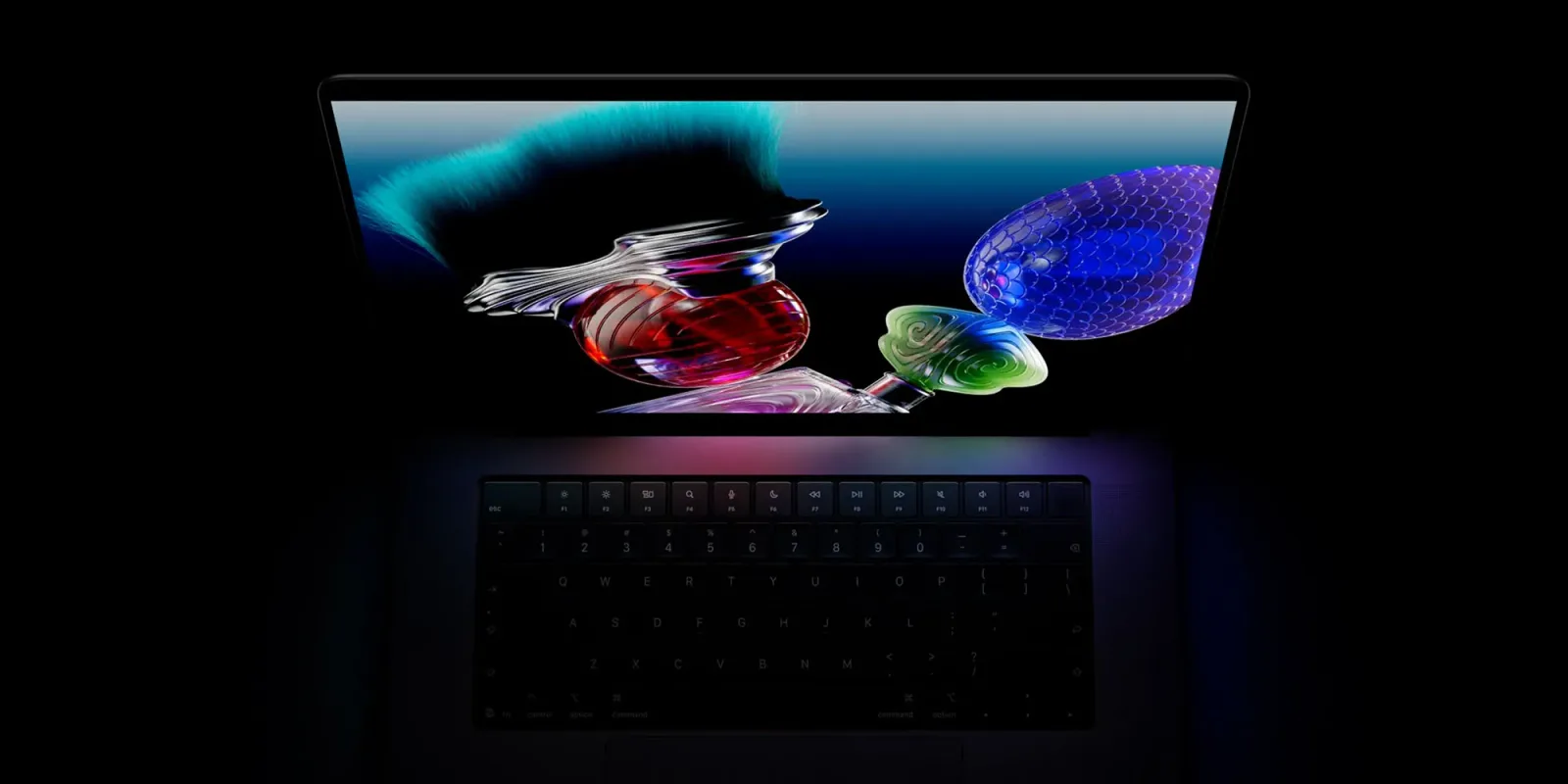
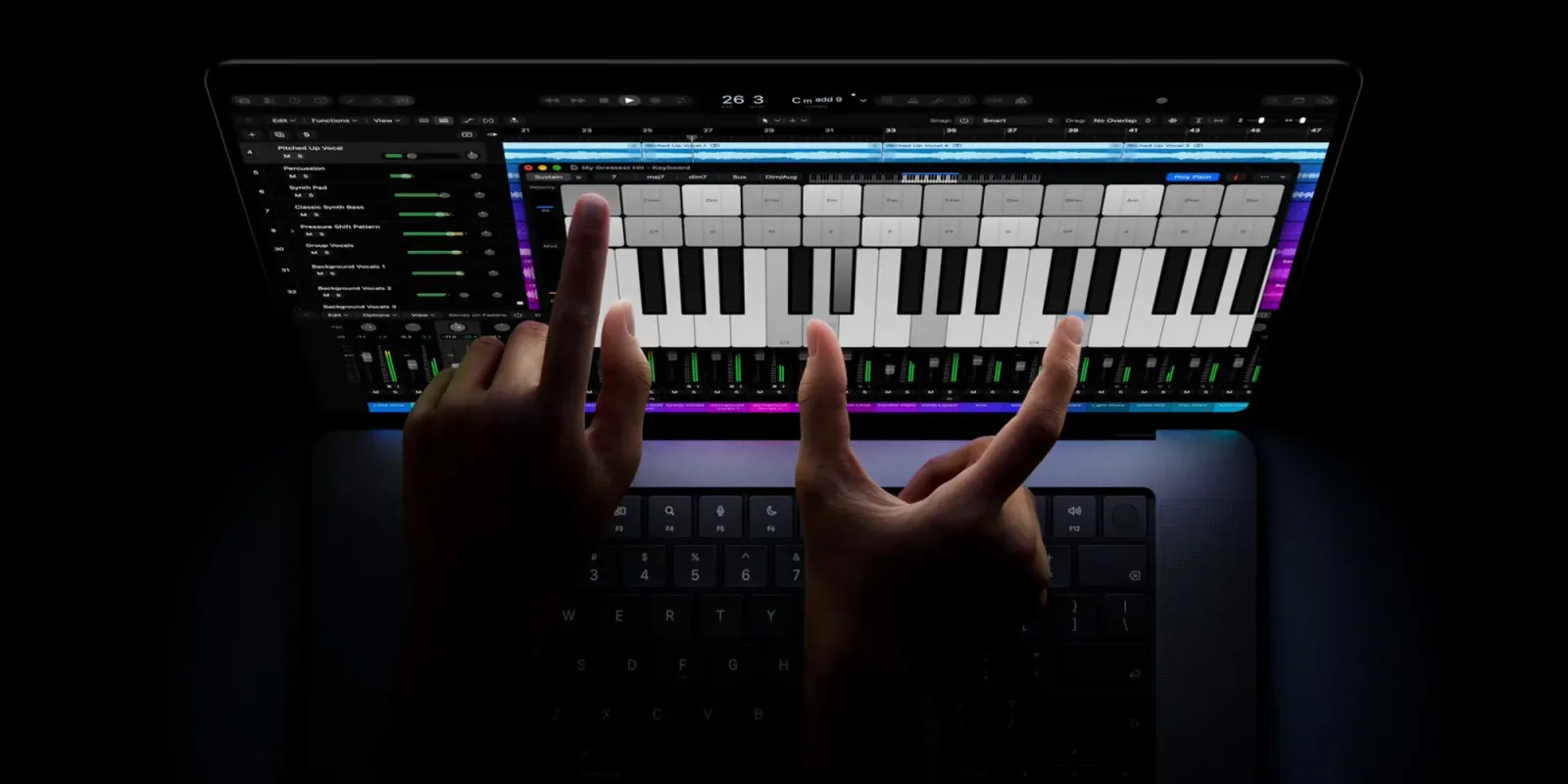
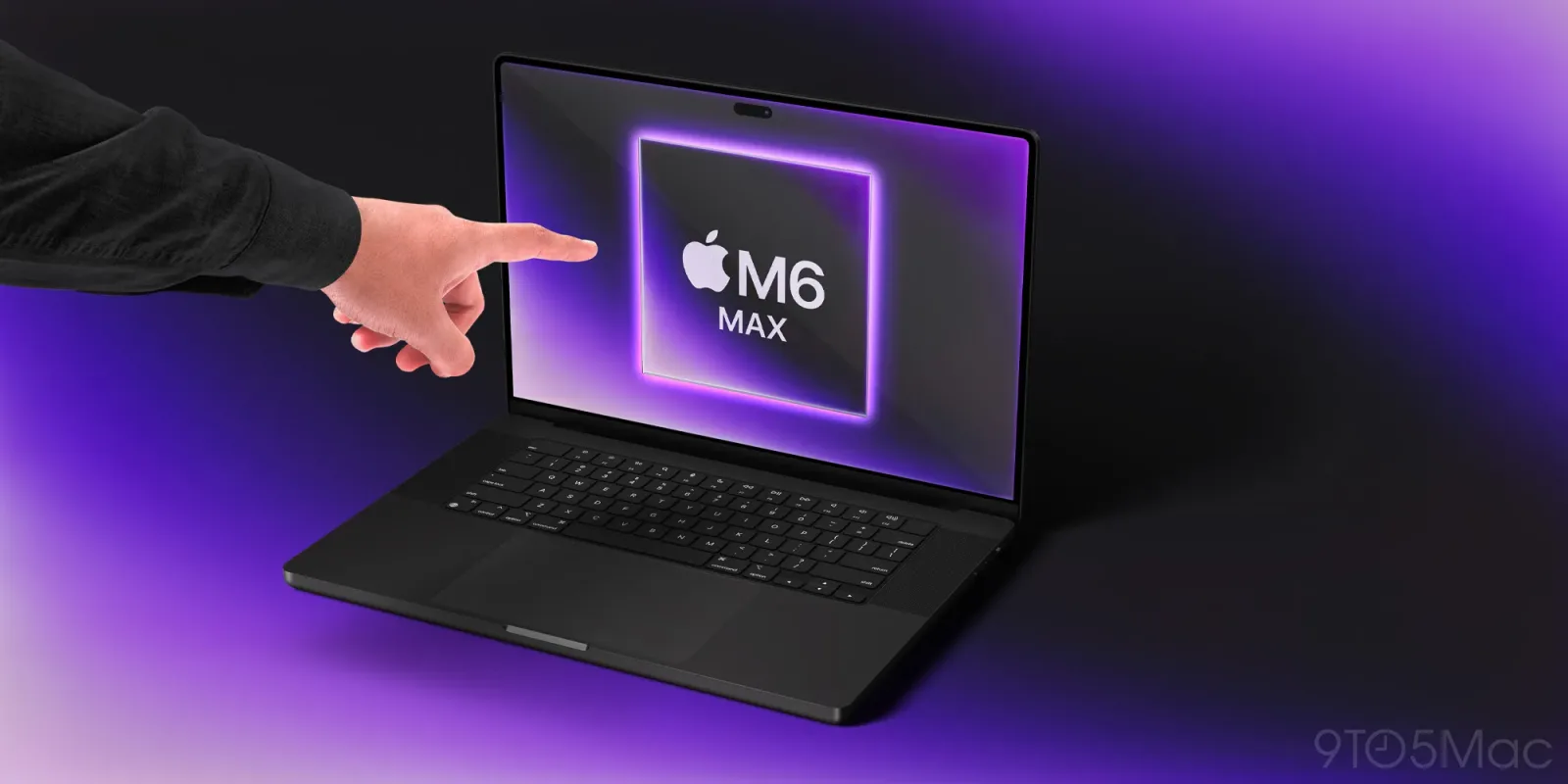
Apple has officially shattered the ceiling for laptop pricing with the launch of the M6 MacBook Pro. According to recent reports, this new lineup introduces the first touchscreen Mac in the company's history. The device features a proprietary PROLED XDR display that promises to redefine visual fidelity for creative professionals.
The most shocking detail is not just the screen, but the storage options available. You can now configure the SSD to a massive 16TB. This is a significant leap from previous generations and changes the calculus for who can afford these machines. It is no longer just about performance but about extreme data capacity.
This storage upgrade drastically alters the pricing structure. The entry-level model starts at $1,999, which is competitive for the pro segment. However, maxing out the specs pushes the price to $14,549. This creates a massive gap between the casual pro and the enterprise power user.
For AI developers and data scientists, this 16TB option is particularly interesting. Local model training and large dataset management often require fast, local storage. Having terabytes of NVMe speed on a laptop is a game changer for offline workflows.
The M6 chip also plays a role in this new tier. It provides the necessary bandwidth and processing power to handle such large storage arrays efficiently. The integration of silicon and display technology suggests Apple is pushing hardware boundaries further than ever before.
This pricing strategy signals a shift in the market. Apple is clearly targeting users who need mobile workstations that can replace server racks. It is a bold move that may force competitors to rethink their own high-end offerings.
What this means for you: If you are a creative professional or AI researcher, consider whether local storage is worth the premium. You can use an AI assistant to help you calculate your storage needs based on your current project sizes. Try this prompt: Analyze my current project files and estimate the storage growth over the next two years to determine if a 16TB drive is cost-effective compared to cloud solutions.
Reporting basis: original story
← back to The Wire