the wire · #topnews · 2026-08-31
You Know Who Really Hates AI? Insurance Claims Adjusters
Cech Tech Reviews
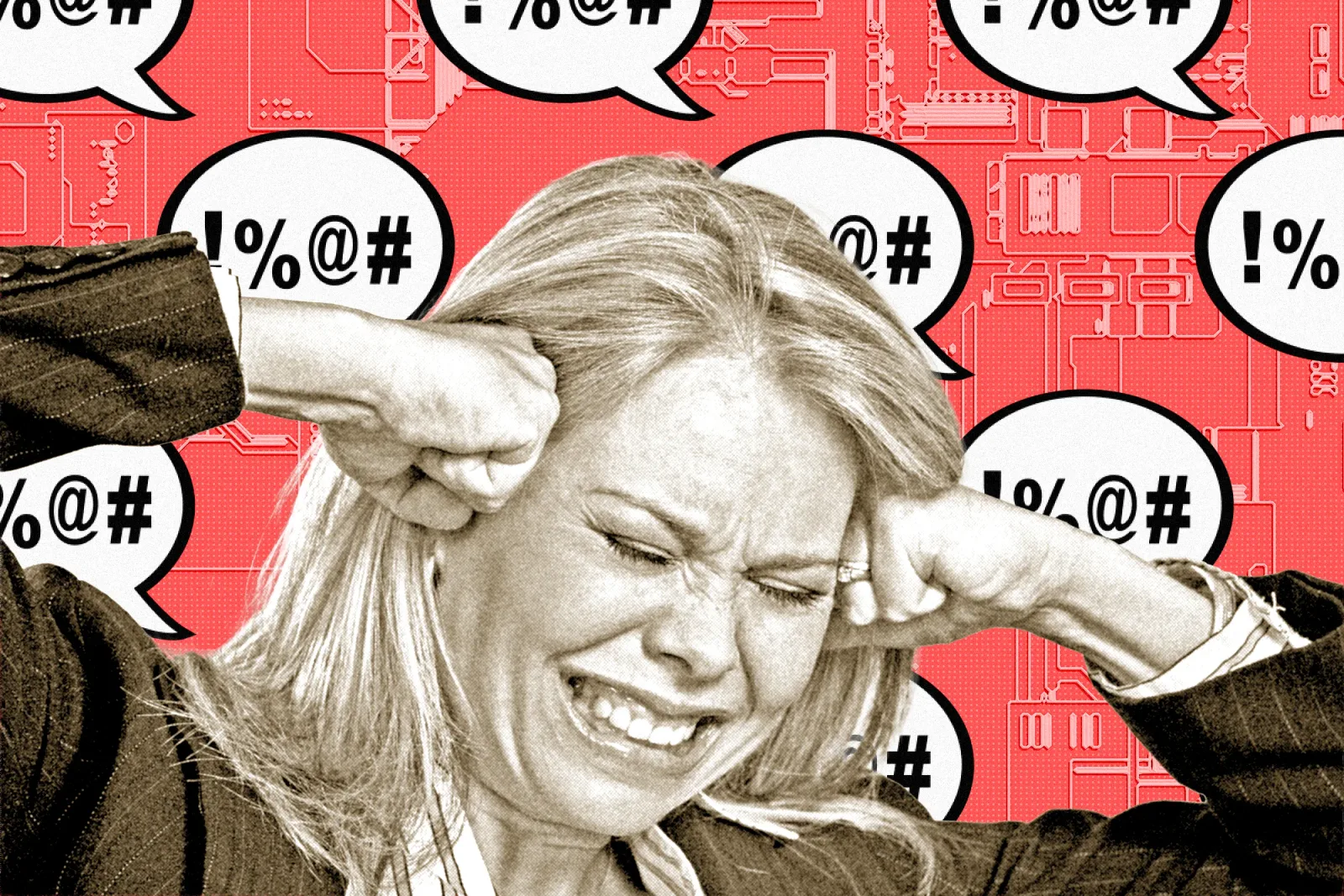
The narrative that artificial intelligence will seamlessly replace human judgment in every sector is facing a stark reality check in the insurance industry. According to WIRED, an analysis of Glassdoor reviews reveals that 98 percent of claims adjusters who mentioned AI expressed negative sentiments. This is not a marginal complaint but a near-universal consensus among the professionals tasked with evaluating losses and determining payouts.
The core of the frustration appears to be a fundamental misunderstanding of the tool's role within the workflow. One adjuster quoted by the publication stated that while AI is indeed a tool, it should never be given the keys. This metaphor suggests that the technology is being deployed as an autonomous decision-maker rather than a supportive assistant, which directly conflicts with the adjuster's professional responsibility.
Claims adjusting is rarely a binary process. It involves interpreting ambiguous language, assessing physical damage from photos, and understanding the context of a policyholder's situation. When AI is forced to make final determinations without human oversight, it often fails to capture these subtleties. The result is a system that feels rigid and often incorrect to the humans who must deal with the fallout.
This resistance is not just about job security. It is about the quality of the work and the ethical burden placed on the adjuster. If an AI model makes an error, the human adjuster is still the one who has to explain it to a distressed customer. They bear the reputational and emotional cost of a system that lacks true understanding or empathy.
From a broader tech perspective, this serves as a warning for any enterprise looking to automate high-stakes decision-making. The assumption that efficiency gains will outweigh the costs of employee pushback and customer dissatisfaction is proving false in this sector. Companies that ignore the expertise of their frontline workers risk implementing systems that are technically functional but practically unusable.
The disconnect here is between the engineering team building the model and the claims team using it. The engineers likely focused on accuracy metrics and speed, while the adjusters care about fairness, nuance, and the ability to explain decisions. Bridging this gap requires a collaborative approach where AI augments human judgment rather than replacing it outright.
What this means for you is that successful AI integration in your own work requires more than just buying a license. You must design workflows that keep humans in the loop for complex or ambiguous cases. Use AI to handle the data heavy lifting, but reserve the final judgment for human expertise. Try this prompt to test your own workflows: "Analyze this customer complaint and identify three areas where an AI summary might miss nuance, then suggest how a human agent should verify those points."
Reporting basis: original story
← back to The Wire