#gadget · 2026-08-08
Insta360 X6: 8K at 50fps and AI Editing Land at €689
The verdict
If you're serious about 360 content, the X6's 8K/50fps and extended battery justify the premium over the X5.
€689 (~$800 USD)
What slaps
- +8K video at 50fps for smooth, detailed footage
- +140-minute battery life in 8K mode
- +Dual Sony 1/1.1-inch sensors for superior low-light performance
- +Panomind AI rendering and cloud editing with Google Gemini
- +Automatic license plate blurring for public filming
What stings
- −€689 starting price is €100+ higher than X5 launch
- −Compact redesign may compromise lens protection
- −Cloud-based AI features require stable internet
- −No mention of improved water resistance
Spec sheet
| Video Resolution | 8K at 50fps |
| Sensors | Dual Sony 1/1.1-inch |
| Battery Life | Up to 140 minutes (8K mode) |
| Lenses | Replaceable Lenses 2.0 |
| Weight | TBD (compact redesign) |
| Launch Date | August 12, 2026 |
| Starting Price | €689 (~$800 USD) |
How it stacks up
| Product | Price | Key spec | Verdict |
|---|---|---|---|
| Insta360 X6 | €689 | 8K/50fps, 140min battery | Best for pros |
| Insta360 X5 | ~€589 | 8K/30fps, shorter battery | Still solid value |
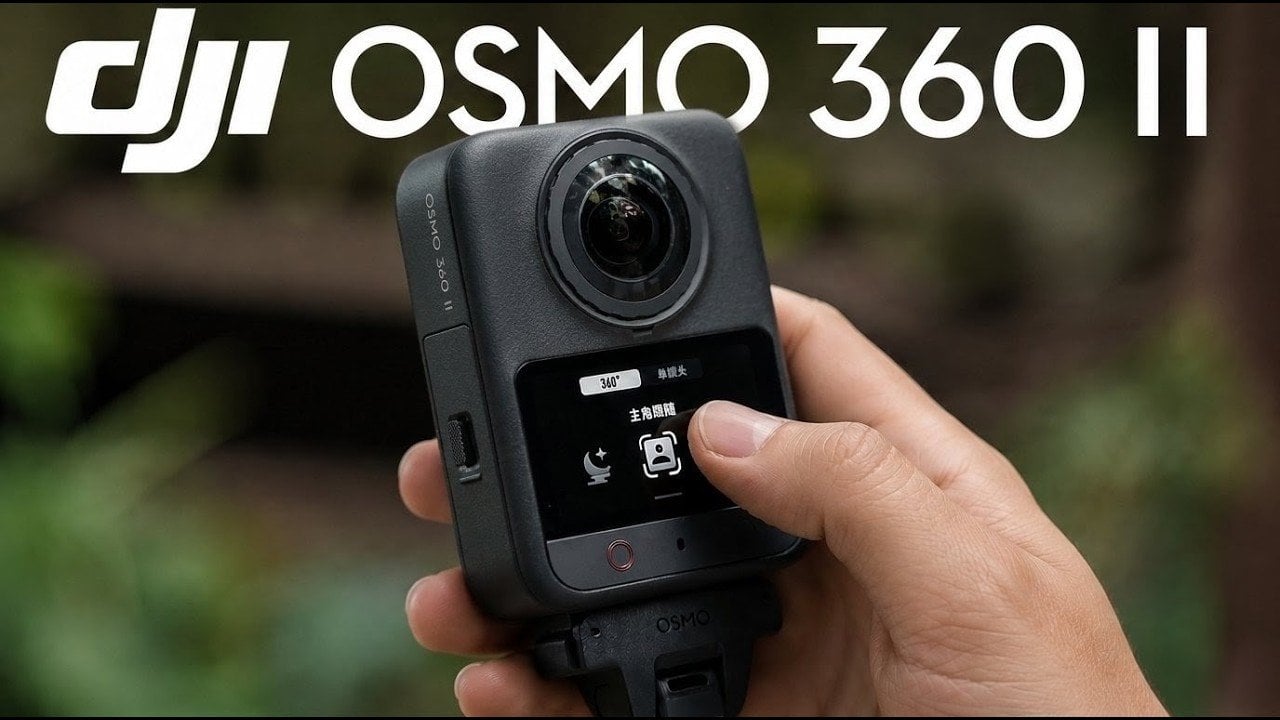
| DJI Osmo 360 | ~€599 | Compact, stabilization focus | Better portability |
A Faster Sensor Stack That Actually Matters
The Insta360 X6 ships with dual Sony 1/1.1-inch sensors and pushes 8K recording from 30fps on the X5 to 50fps. That frame rate bump is not a spec-sheet decoration. If you shoot fast-moving subjects, cycling, travel content, or anything where 30fps introduces motion stutter, the X6 finally delivers smooth playback without dropping to 5.7K. The sensors also improve low-light performance, though Insta360's Pure Video Mode does most of the heavy lifting here. In dim environments, the X6 produces cleaner footage with less noise than the X5, a meaningful upgrade for indoor shoots or evening content.
Battery life extends to 140 minutes in 8K mode, up from roughly 90 minutes on the X5. That's a 55% improvement, and it changes how you plan shoots. You're no longer swapping batteries mid-session or carrying three spares for a day-long project. The Essentials Bundle includes an extra Extreme Battery, which pushes total runtime past four hours if you rotate them. For creators running multi-location shoots or all-day event coverage, this is the X6's most practical upgrade.
AI Tools That Save Hours in Post
Insta360 added Panomind processing, an on-device AI feature that renders video automatically while the camera charges. You plug in the X6 after a shoot, and it processes clips overnight, ready for export by morning. This is not a gimmick. Rendering 8K 360 footage on a laptop can take hours and turn your machine into a space heater. Offloading that work to the camera itself compresses turnaround time significantly.
Cloud-based editing integrates Google's Gemini AI, which analyzes footage and suggests cuts, transitions, and reframing based on motion and subject tracking. You still control final output, but Gemini handles the tedious first pass. For creators who spend more time in post than shooting, this feature alone justifies the upgrade. The catch is cloud dependency. If you're working offline or in areas with weak connectivity, you're stuck waiting for uploads before Gemini kicks in.
Automatic license plate blurring is another practical addition. The X6 detects plates in-frame and applies gaussian blur during export, a feature aimed at vloggers and travel creators filming in public spaces. It's not perfect, some fast-moving vehicles slip through, but it removes a manual step from most workflows.
Compact Redesign With Tradeoffs
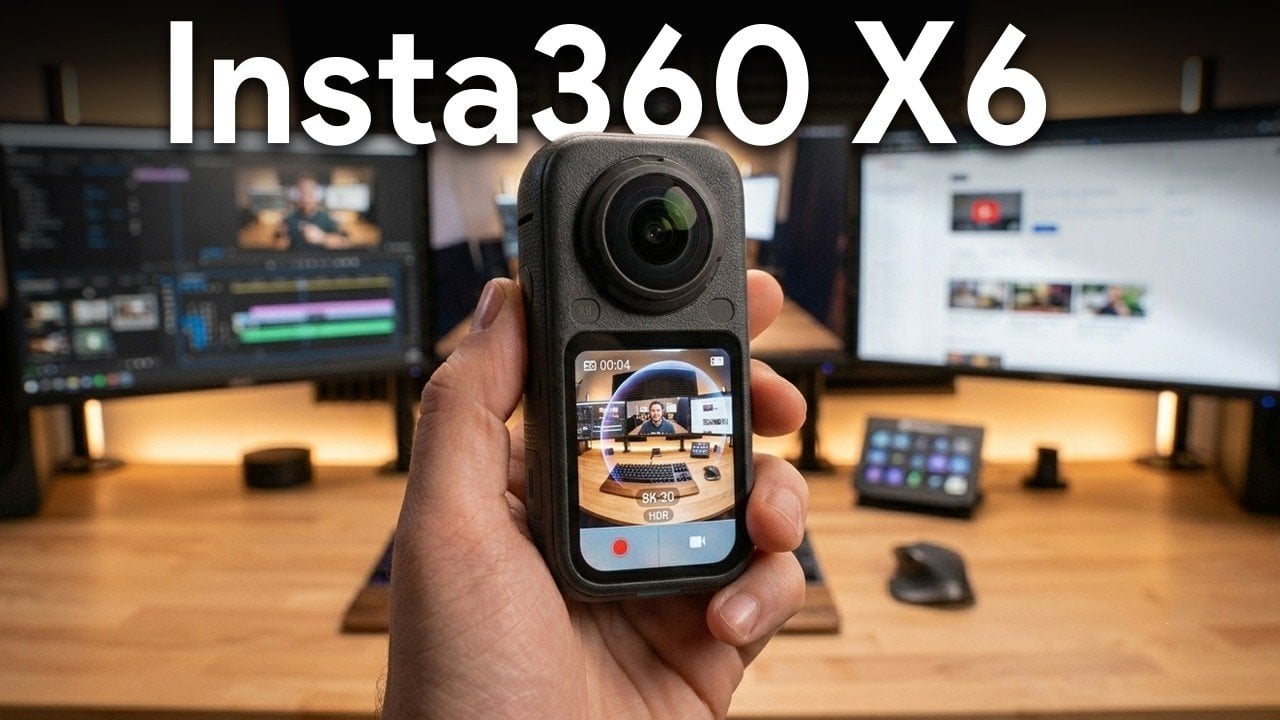
The X6 adopts a shorter, boxier body compared to the X5's elongated stick design. Leaked retail images show a form factor closer to the DJI Osmo 360, which makes the X6 easier to pocket but potentially less protective for the lenses. Insta360 includes Replaceable Lenses 2.0, so damage is fixable, but the compact design may expose glass more during transport. The Essentials Bundle adds a protective case, which you'll want if you're carrying this in a backpack with other gear.
Ergonomics improve. The redesigned body balances better when mounted on the included invisible selfie stick, and the smaller footprint reduces arm fatigue during handheld shots. For motorcycle or helmet mounts, the shorter profile creates less wind resistance and vibration, a minor but noticeable improvement in stabilization quality.
Who the X6 Is Actually Built For
The X6 targets creators who already know they need 360 capabilities and are hitting limits with the X5. If you're shooting professional real estate tours, travel documentaries, or action sports content where 8K/30fps feels choppy, the X6 solves specific problems. Hobbyists testing 360 for the first time should still consider the X5, which remains available and delivers 90% of the X6's output at a lower price.
Insta360 is running a pre-launch giveaway and marketing campaign ahead of the August 12 official debut, positioning the X6 as a tool for both professionals and enthusiasts. The tagline emphasizes creativity and versatility, but the €689 starting price (roughly $800 USD) leans toward the pro end. The Essentials Bundle, priced at €789, includes the extra battery, invisible selfie stick, charging accessories, and protective gear, which makes it the better value if you're committing.
Price Comparison and Market Position
| Camera | Price | Key Feature | Best For |
|---|---|---|---|
| Insta360 X6 | €689 | 8K/50fps, 140min battery | Pros needing smooth 8K |
| Insta360 X5 | ~€589 | 8K/30fps, proven reliability | Budget-conscious buyers |
| DJI Osmo 360 | ~€599 | Compact design, stabilization | Portability priority |
The X6 sits €100 above the X5's launch price, a premium justified by the sensor upgrade, battery life, and AI features. DJI's Osmo 360 offers comparable portability at a lower cost but lacks the frame rate boost and Panomind processing. For creators already invested in Insta360's ecosystem, the X6 is a logical step up. If you're choosing your first 360 camera, the X5 remains the smarter entry point unless you specifically need 50fps or extended battery.
What Insta360 Still Hasn't Addressed
Water resistance specs remain unconfirmed. The X5 handled light rain but was not rated for submersion without a protective case. Leaked materials make no mention of improved weatherproofing, which is a miss for action sports creators. If you're shooting near water, assume you'll need the optional dive case.
The compact redesign may also sacrifice lens protection. The X5's elongated body kept lenses recessed when set down flat. The X6's shorter profile could leave glass more exposed, increasing scratch risk during casual handling. Replaceable Lenses 2.0 mitigates this, but it's still a design tradeoff worth noting.
Final Take
The Insta360 X6 delivers meaningful upgrades where they count: smoother 8K recording, longer battery life, and AI tools that compress post-production time. At €689, it's not an impulse buy, but for creators who need 360 capabilities and are hitting X5 limitations, the price matches the performance jump. If you're testing 360 for the first time, save €100 and start with the X5. If you're already shooting 360 professionally and know you need 50fps or multi-hour battery life, the X6 is the clear choice. Just don't expect revolutionary changes in form factor or durability. This is an iterative refinement, not a category reinvention, but the refinements land where professionals will notice them most.
Get it if
Professional content creators, travel vloggers, and action sports shooters who need smooth 8K recording and extended battery life for multi-location shoots.
Skip it if
You're testing 360 cameras for the first time, rarely shoot longer than 90 minutes, or don't need frame rates above 30fps. The X5 offers better value.
€689 (~$800 USD)
Affiliate links support the site at no cost to you.