the wire · #gadgets · 2026-07-31
9to5Mac Overtime 075: Thoughts on Apple Upgrade
Cech Tech Reviews
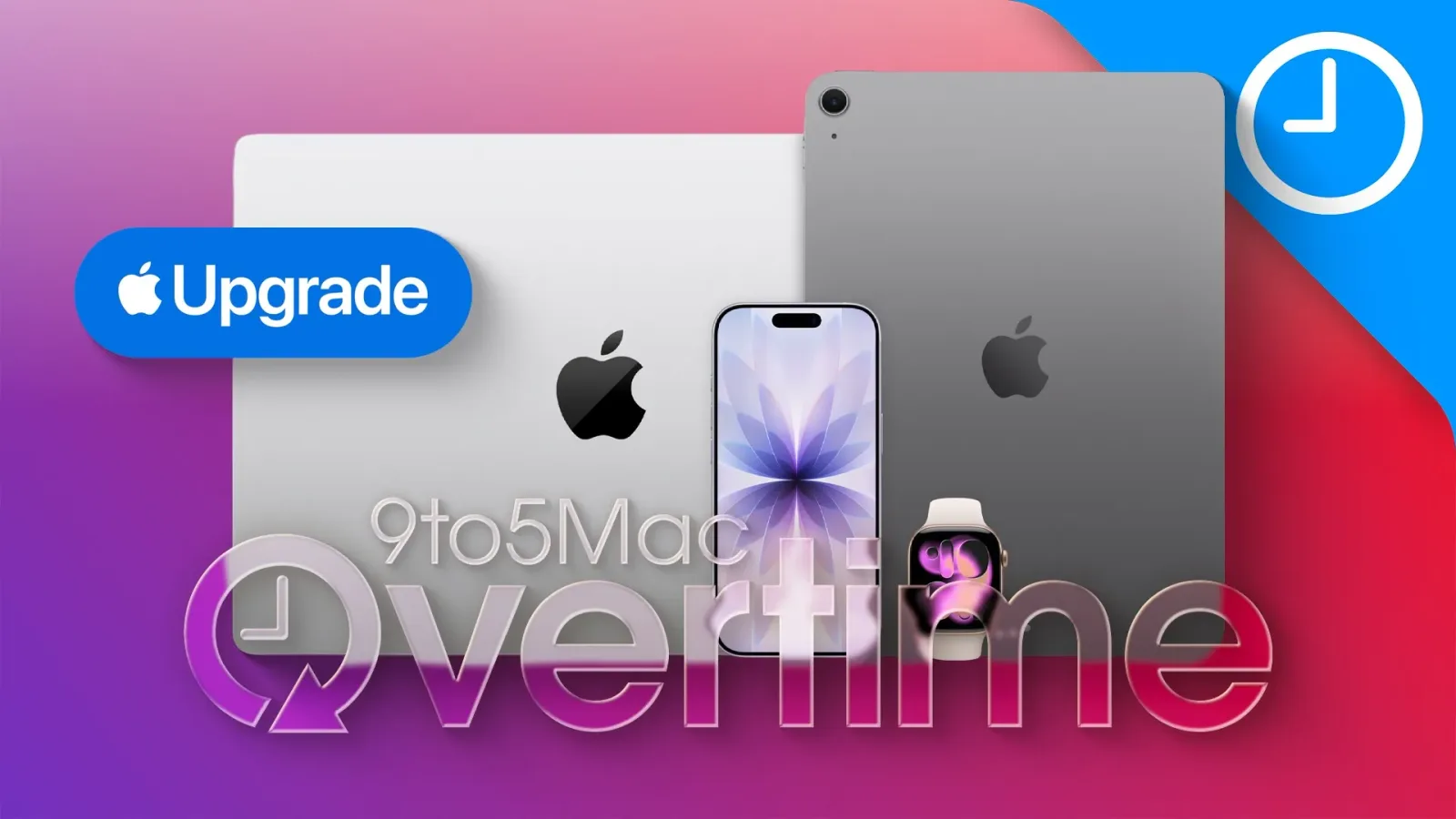
Apple is quietly reshaping its hardware lifecycle with a new upgrade initiative that goes far beyond simple trade-ins. According to reporting by 9to5Mac, this program is not just a marketing gimmick but a calculated response to shifting consumer behaviors and regulatory pressures. The move suggests the tech giant is preparing for a more circular economy where devices retain value longer and change hands more frequently.
The implications for the secondary market are significant. A structured upgrade path could flood the refurbished market with high-quality, certified devices. This might stabilize prices for used iPhones and iPads while raising the bar for quality control. Smaller resellers may struggle to compete with Apple’s direct-to-consumer channel, potentially consolidating power in the hands of the manufacturer.
Jeff and Fernando from the 9to5Mac Overtime podcast highlight how this strategy serves a dual purpose. It drives recurring revenue through subscription-like models while reducing the environmental footprint of device ownership. For entrepreneurs in the tech space, this indicates a shift where hardware sales are becoming less about one-time transactions and more about long-term user engagement and retention.
Perhaps the most intriguing aspect is how this program sets the stage for Apple’s upcoming foldable iPhone. High-end foldables are notoriously expensive, creating a barrier for the average consumer. By normalizing upgrades and reducing the effective cost of ownership, Apple can introduce premium form factors to a much wider audience without alienating price-sensitive buyers.
This approach also reflects a broader industry trend toward sustainability as a competitive advantage. Consumers are increasingly aware of e-waste and are looking for brands that offer transparent, easy ways to upgrade responsibly. Apple’s move positions it as a leader in this space, potentially forcing competitors to adopt similar models to remain relevant in the eyes of eco-conscious buyers.
The integration of secure credential management tools, such as those offered by Bitwarden, becomes even more critical in this ecosystem. As devices change hands more frequently, ensuring that data is completely wiped and new users can securely authenticate their devices is paramount. This highlights the growing intersection between hardware lifecycle management and digital security infrastructure.
What this means for you: If you are building apps or services that interact with hardware, consider how device turnover affects user onboarding and security. You might want to test a workflow where an AI assistant helps users generate a secure, one-time password for device verification during a handover. Try this prompt with your AI tool: "Create a step-by-step guide for securely transferring ownership of an iOS device, including steps for wiping data and setting up new biometric authentication, optimized for a non-technical user."
The broader takeaway is that hardware is becoming a service. Companies that can seamlessly integrate upgrades, security, and sustainability will win the next decade of consumer tech. Keep an eye on how this model expands to other product categories like Macs and iPads in the coming quarters.
Reporting basis: original story
← back to The Wire![PSA: App Store, iTunes Store and other Apple services are currently down for some users [U: Fixed]](https://aideaflow.com/api/img/news/205d95dcb064baa2.webp)