the wire · #gadgets · 2026-08-07
9to5Mac Overtime 076: Native retro games on iPhone
Cech Tech Reviews
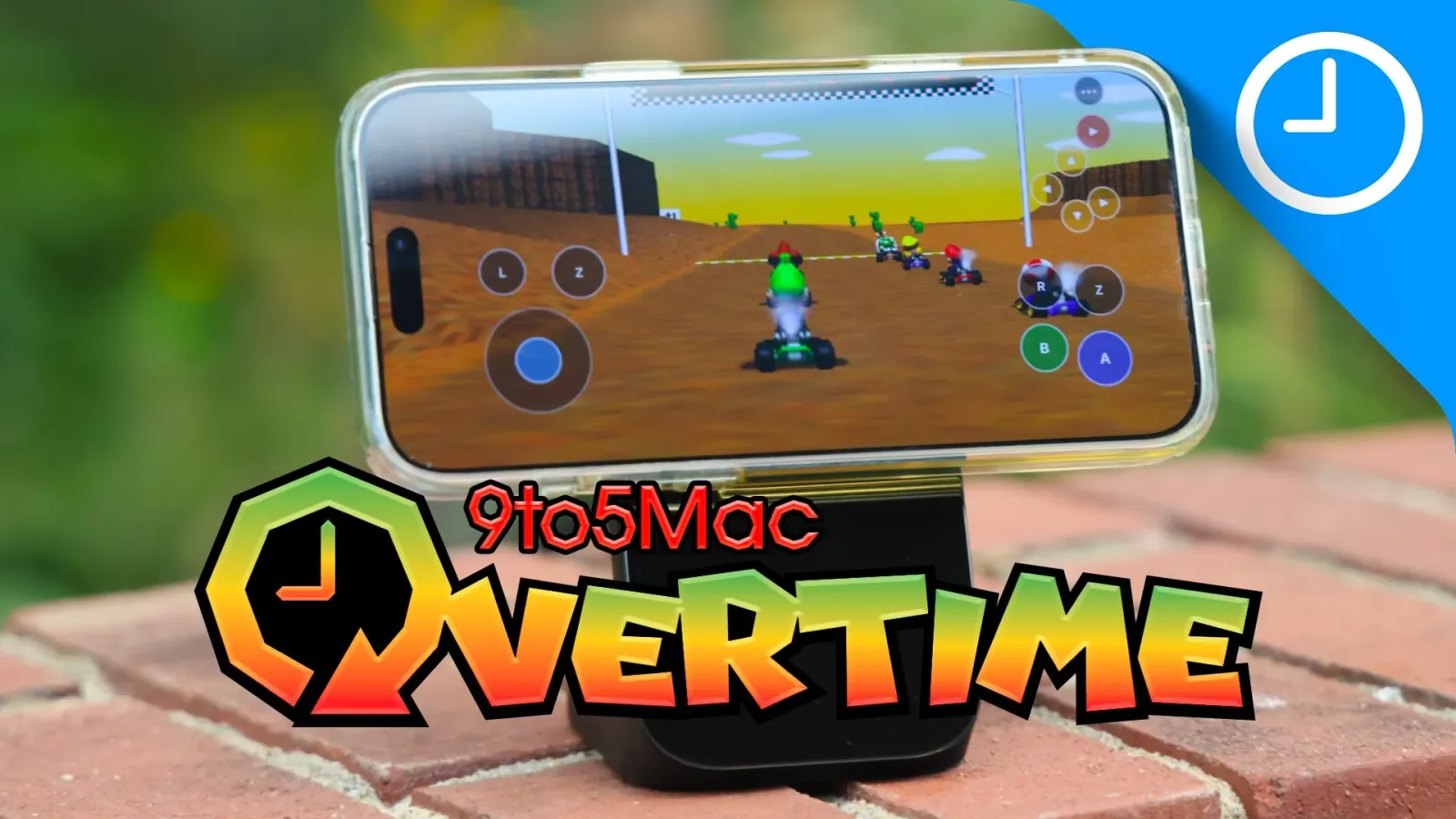
The latest episode of 9to5Mac Overtime dives into a niche but fascinating corner of the Apple ecosystem. Fernando Silva shares his work on a Pokémon 3D mod for Mac. Meanwhile, Jeff Benjamin details his experience running a native port of Mario Kart 64 directly on an iPhone. These projects highlight a growing trend of enthusiasts pushing hardware beyond its intended limits.
It is not just about nostalgia though. The conversation touches on a deeper cultural shift in how we view technology. Many fans feel that modern tech lacks the excitement of previous eras. This sentiment is becoming increasingly common among long time users who remember when every new gadget felt like a leap forward rather than a refinement.
The discussion also explores the practicality of keeping devices for many years. In an age of planned obsolescence and rapid feature cycles. Choosing to stick with older hardware is both a financial and philosophical statement. It suggests that for many tasks. The performance of devices from just a few years ago is more than sufficient.
This perspective is particularly relevant for AI professionals and developers. We often chase the latest silicon. But the reality is that many AI workloads can run efficiently on older GPUs or even CPUs with the right optimization. The ability to run complex games like Mario Kart 64 natively on an iPhone proves that mobile chips are incredibly powerful.
The technical achievement of these ports cannot be overstated. Running a console era game on a mobile device requires significant optimization. It demonstrates the raw computational power available in our pockets. This power is often underutilized in daily workflows where we rely on cloud services for heavy lifting.
As we integrate more AI tools into our daily routines. The line between local processing and cloud computing continues to blur. The efficiency gains in mobile hardware mean that more tasks can be handled on device. This reduces latency and improves privacy. It is a trend that will likely accelerate in the coming years.
What this means for you is that you do not need to upgrade your hardware every year to stay productive. Instead. Focus on optimizing your workflows. You can leverage the power of your existing devices by using AI assistants to handle complex tasks locally. Try this prompt with your AI assistant to streamline your current workflow. Ask it to identify repetitive tasks in your daily routine that could be automated using local scripts or existing software features. This approach maximizes the value of your current tech stack without requiring new purchases.
Reporting basis: original story
← back to The Wire