the wire · #gadgets · 2026-08-06
Apple holds 65% of the premium smartphone market as segment reaches record high
Cech Tech Reviews
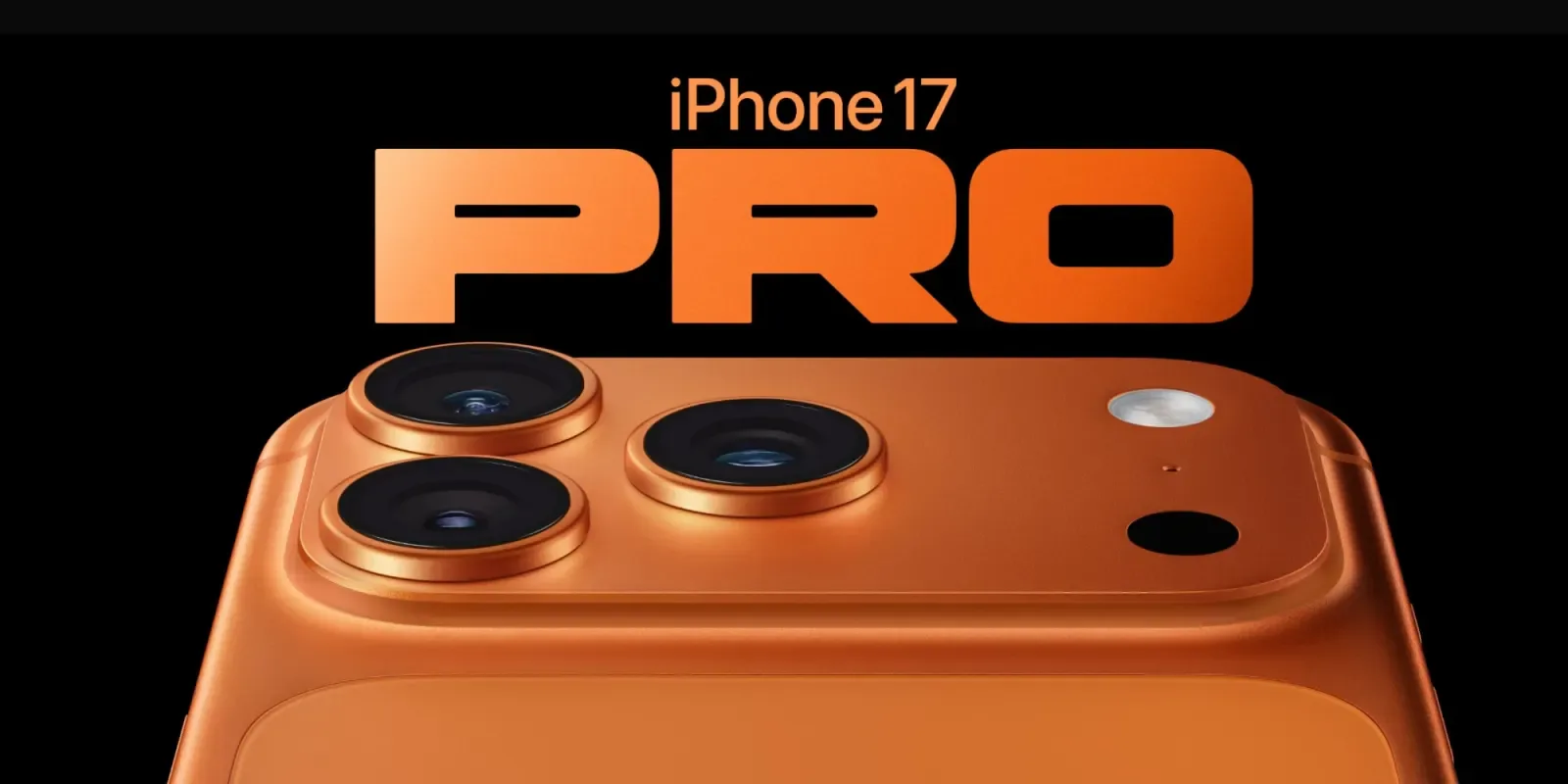
The global smartphone landscape is undergoing a significant structural shift, and Apple is positioned to capture the lion's share of the rewards. According to recent data from Counterpoint Research, the tech giant secured a commanding sixty-five percent share of the premium smartphone market during the first half of 2026. This dominance is not just about volume but reflects a deep consumer willingness to invest in high-end devices that offer tangible value beyond basic communication.
The premium segment itself has reached unprecedented heights, accounting for a record twenty-nine percent of all global smartphone sales. This metric is particularly striking because it indicates that the market is not merely recovering but actively expanding at the top end. Consumers are trading up, suggesting that the perceived value of flagship devices has increased substantially in the eyes of the average buyer.
This trend is heavily influenced by the integration of advanced artificial intelligence features into hardware. Users are increasingly viewing AI capabilities as a primary driver for upgrades rather than incremental hardware improvements like slightly better cameras or faster processors. The premium market is becoming a testing ground for on-device AI models that require significant computational power and memory, which only high-end chips can provide.
Apple's strategy of vertical integration plays a crucial role in this success. By controlling both the silicon and the operating system, the company can optimize AI performance in ways that competitors struggle to match. This allows for seamless integration of features that feel native and responsive, which is a key selling point for users who are tired of fragmented software experiences across different devices.
The implications for the broader tech industry are profound. Competitors are now forced to accelerate their own AI hardware development to remain relevant in the premium space. This could lead to a new arms race in chip design and neural processing units, driving innovation across the entire sector. Smaller players may find it increasingly difficult to compete without significant investment in proprietary AI technologies.
For entrepreneurs and tech professionals, this shift highlights the importance of AI-ready infrastructure. The demand for devices that can handle complex local AI tasks is growing rapidly, creating opportunities in software development, data processing, and specialized hardware services. Understanding these market dynamics is essential for making informed decisions about technology investments and product development strategies.
What this means for you is that the era of static hardware is over. To stay competitive in your work, you need tools that can adapt and learn. Consider using an AI assistant to analyze your current workflow and identify tasks that could be automated or enhanced by on-device AI capabilities. This proactive approach will help you leverage the full potential of premium devices as they become the standard for professional productivity.
Reporting basis: original story
← back to The Wire