the wire · #gadgets · 2026-08-06
OpenAI asks for Apple's trade secrets lawsuit to be dismissed, says it was filed without ‘adequate investigation'
Cech Tech Reviews
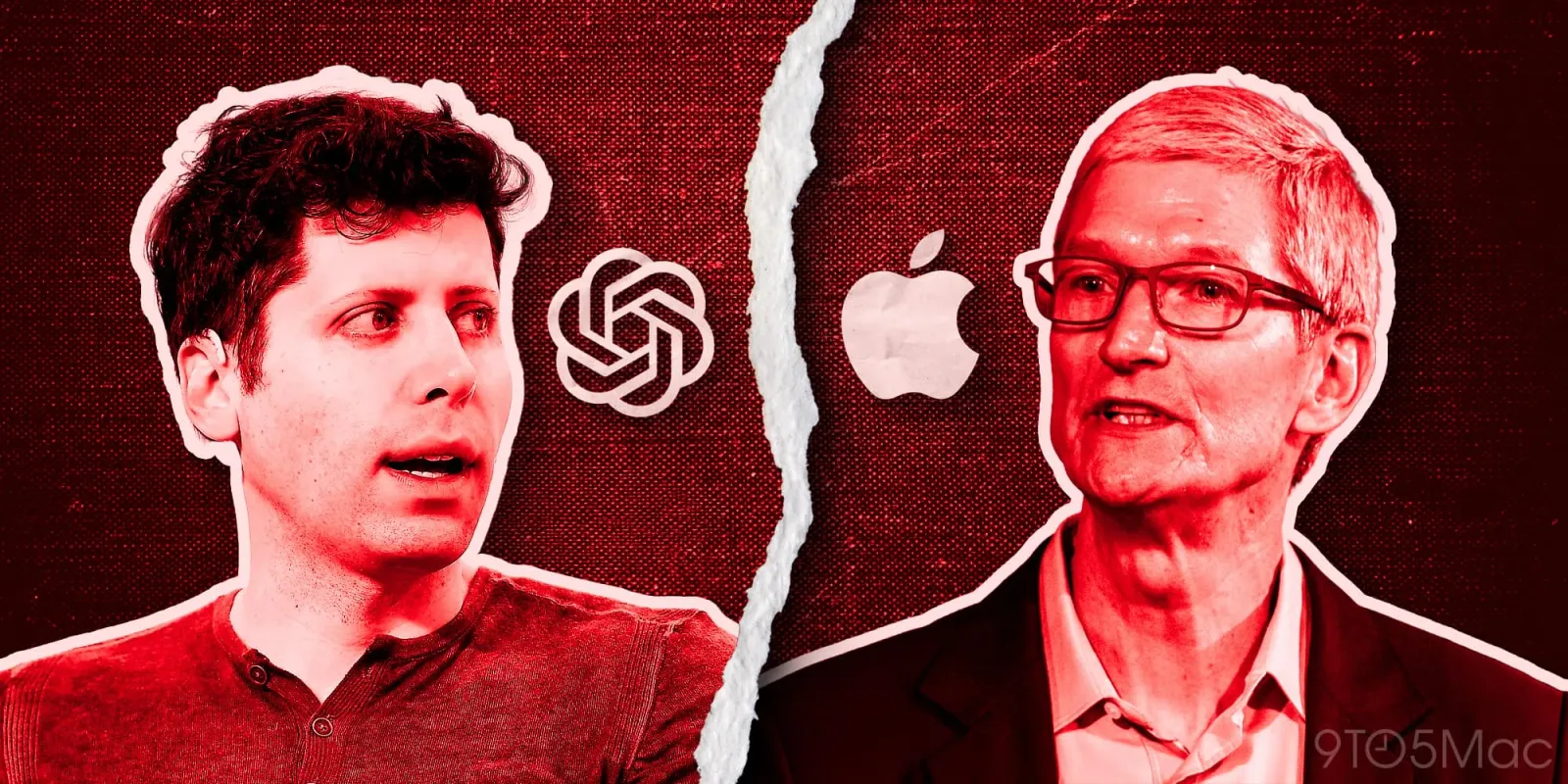
OpenAI fired back at Apple's trade secrets lawsuit this week, filing a motion to dismiss the case entirely. The company claims Apple rushed to court without doing its homework, according to court documents, and that what Apple frames as theft is just standard industry behavior blown out of proportion.
This is a significant escalation in a dispute that could reshape how AI companies and hardware makers work together. Apple is simultaneously pushing for a preliminary injunction, which a judge will hear on October 1. If granted, that could force OpenAI to halt certain activities while the full case plays out over what could be years of litigation.
The core tension here is classic Silicon Valley: a hardware giant and an AI upstart trying to figure out where partnership ends and competition begins. Apple has deep expertise in on-device AI and chip design. OpenAI has the leading large language models. When those worlds collide, the line between collaboration and appropriation gets blurry fast.
What makes this case particularly interesting is the timing. It comes as Apple ramps up its own AI capabilities and OpenAI expands beyond pure software into more integrated experiences. Both companies are racing to control the AI interface layer, whether that's Siri, ChatGPT, or something else entirely.
OpenAI's defense strategy is telling. By framing Apple's claims as ordinary conduct, they're essentially arguing that the behavior Apple objects to is how the entire AI industry operates. If a judge agrees, it could set a precedent that makes it harder for established tech companies to use trade secret law to wall off their AI ambitions from nimbler competitors.
The October hearing will be the first real test of these arguments. A preliminary injunction would signal the judge thinks Apple has a strong case. A denial would give OpenAI breathing room and momentum going into the longer fight.
What this means for you: If you're building AI workflows that bridge multiple platforms, pay attention to how this case defines the boundaries of acceptable integration. The outcome could affect everything from API access to training data partnerships. Try this prompt with your AI assistant: "Analyze my current AI tool stack and identify any potential vendor lock-in risks. Suggest three alternative providers for each critical dependency." It's a good exercise in resilience planning while the legal landscape sorts itself out.
Reporting basis: original story
← back to The Wire