the wire · #gadgets · 2026-09-21
AI coding platform Bitrig adds iPhone Duo support with interactive 3D simulator
Cech Tech Reviews
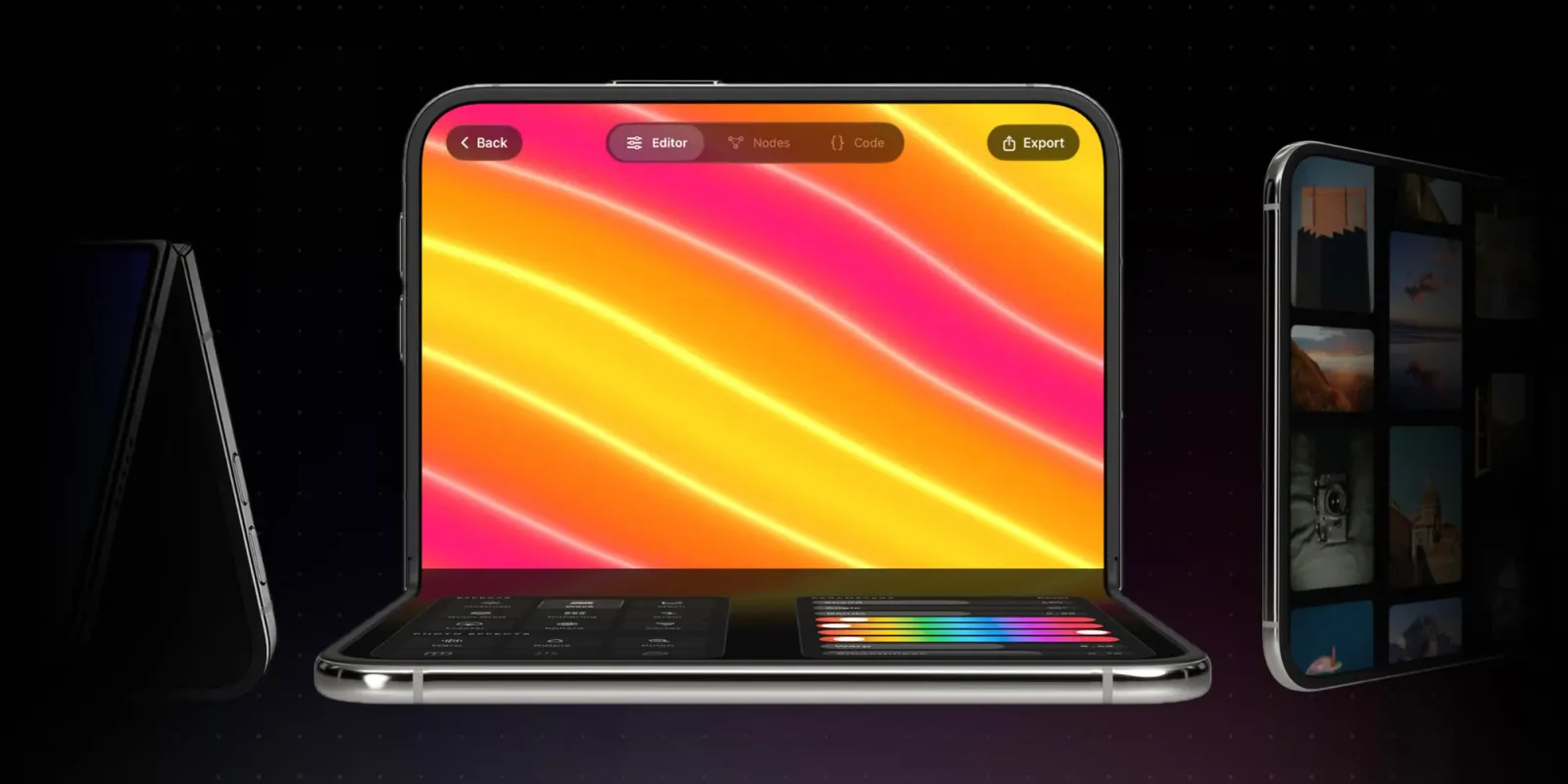
Apple has quietly dropped a major hint about the future of mobile hardware with the release of Xcode 27.1 beta 1. This update includes foundational support for the iPhone Duo, a dual-screen device that has been the subject of intense speculation and patent filings for years. The inclusion of these tools suggests that Apple is moving beyond conceptual prototypes and preparing for actual development cycles.
According to recent reports, the AI coding platform Bitrig has already responded to this shift. They have integrated support for building and testing iPhone Duo applications directly into their ecosystem. This rapid adoption highlights the agility of third-party tools in keeping pace with Apple's evolving hardware specifications. Developers no longer need to wait for official SDKs to begin experimenting with new form factors.
The most compelling feature of this update is the interactive 3D simulator. Unlike traditional emulators that mimic a single flat screen, this new tool allows developers to fold, tilt, rotate, and position the virtual device in three-dimensional space. This level of interactivity is crucial for understanding how users will interact with a device that can change its shape and size on the fly.
This capability addresses one of the biggest challenges in dual-screen development. Designers need to understand how content flows across two distinct displays. They must also consider how the hinge mechanism affects the user experience. The 3D simulator provides a realistic environment to test these complex interactions without needing physical hardware.
From an industry perspective, this move signals a broader trend toward adaptive interfaces. As hardware becomes more flexible, software must become equally dynamic. Developers are now tasked with creating experiences that are not just responsive to screen size but also to physical configuration. This requires a new set of design principles and coding strategies.
For AI coding assistants like Bitrig, this presents both an opportunity and a challenge. These tools can help developers generate code for complex UI layouts. They can also assist in optimizing performance across different screen states. However, the lack of standardized guidelines means developers must rely heavily on trial and error.
The integration of such advanced simulation tools into AI-driven platforms democratizes access to cutting-edge development. Smaller teams and individual developers can now experiment with dual-screen apps without the high cost of prototyping hardware. This could lead to a surge in innovative applications that leverage the unique capabilities of foldable devices.
What this means for you: If you are building mobile applications, start exploring how your current UI adapts to non-standard screen ratios. Use an AI assistant to generate mockups for a dual-screen layout. Try this prompt: Generate a React Native component structure for a split-view app that adjusts content density when the device is folded versus unfolded. This will help you prepare for the next generation of mobile hardware.
Reporting basis: original story
← back to The Wire
![Our top iPhone 18 Pro accessories to upgrade your setup [Updated]](https://aideaflow.com/api/img/news/56bf9da57c36c03f.webp)