the wire · #gadgets · 2026-09-21
iOS 27.2 beta 2 reveals new details about unnanounced iPhone anti-snatching feature
Cech Tech Reviews
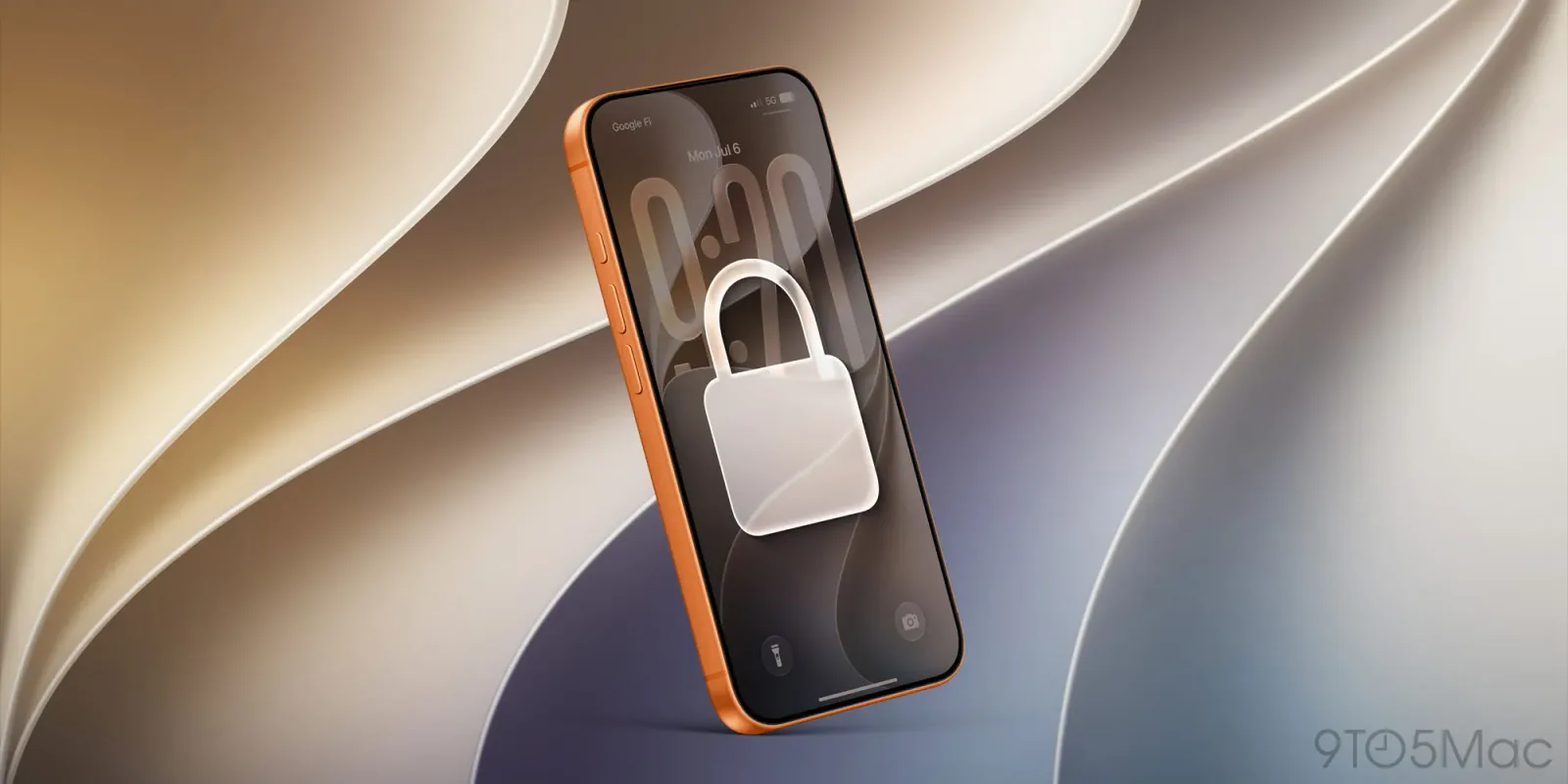
Apple is quietly expanding its security perimeter with a feature that targets one of the most visceral threats to personal property. According to recent code discovered in the iOS 27.2 beta, the company is developing a mechanism to automatically lock an iPhone if it detects the device has been snatched from your hand. This is not just another software patch but a fundamental shift in how the operating system interprets physical interaction with the device.
The implications of this technology are significant for the broader mobile security landscape. Most current solutions rely on passive measures like Find My iPhone or remote locking commands initiated by the user. Apple is moving toward an active defense model where the device itself recognizes the anomaly of sudden movement and reacts before the thief can bypass the passcode or Face ID. This proactive stance could set a new industry standard for smartphone safety.
From a technical perspective, this feature likely leverages the existing suite of motion sensors and accelerometers already present in modern iPhones. The system would need to distinguish between a normal drop and a deliberate snatch. This requires sophisticated machine learning algorithms to analyze velocity, angle, and trajectory in real time. It is a clever use of existing hardware to solve a complex behavioral problem without adding new physical components.
This development aligns with Apple's broader strategy of integrating privacy and security deeper into the user experience. We have seen similar trends with features like Crash Detection and Emergency SOS via satellite. By embedding safety into the core OS, Apple reduces the friction for users who might otherwise ignore security settings. It makes protection automatic rather than optional, which is crucial for mass adoption.
However, the success of this feature will depend on its accuracy and user experience. False positives could lead to frustration if the phone locks during a jog or a sudden car stop. Apple must ensure that the threshold for detection is precise enough to prevent annoyance while remaining effective against actual theft. The beta stage is the perfect time to refine these edge cases before a public release.
For entrepreneurs and developers in the security space, this signals a growing market for hardware-aware software solutions. It suggests that future innovations will increasingly rely on the synergy between sensor data and AI-driven decision making. Companies that can build reliable, context-aware security tools will find a receptive audience in a world where digital and physical safety are increasingly intertwined.
What this means for you: As AI tools become more integrated into daily workflows, understanding how devices protect themselves is just as important as how they process data. You can test your own device's sensitivity by simulating quick movements in a safe environment. Try using a prompt like: "Analyze the potential false positive rates for motion-based security features in consumer electronics and suggest best practices for users to minimize accidental triggers." This will help you stay informed about the balance between convenience and security in your tech stack.
Reporting basis: original story
← back to The Wire