the wire · #ai · 2026-08-07
Jill Lepore on the ‘Artificial State’ and why Silicon Valley's leaders are bad sci-fi readers
Cech Tech Reviews
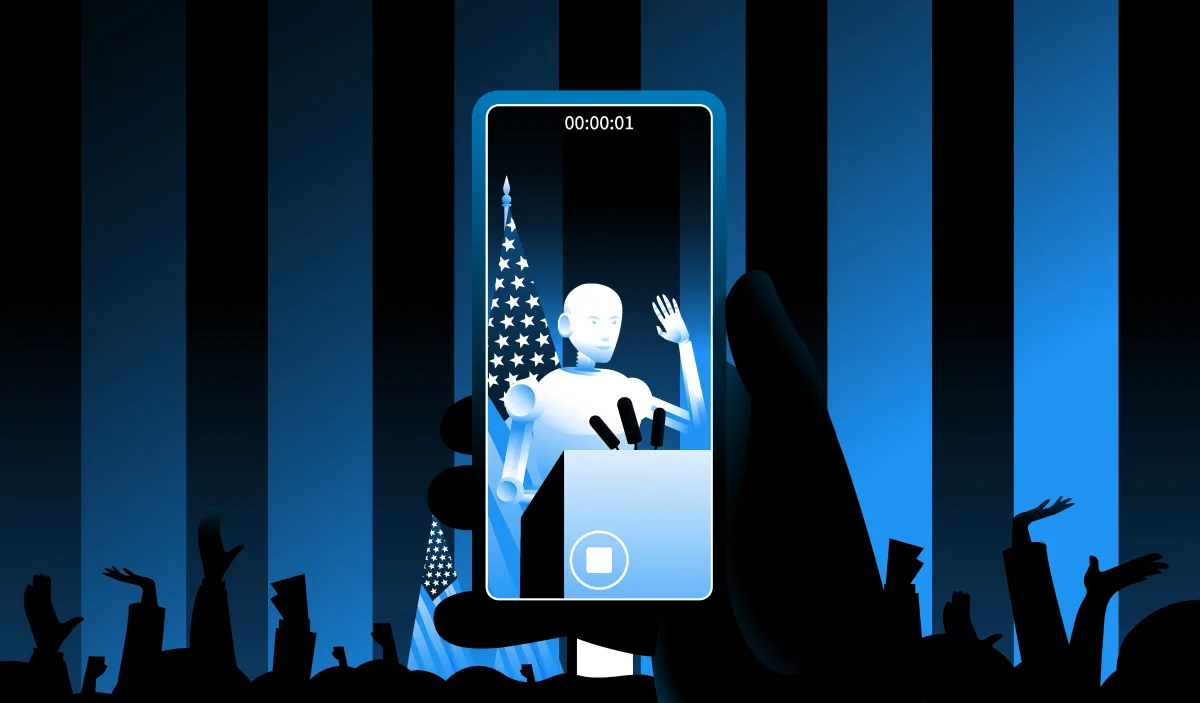
Historian Jill Lepore has a sharp diagnosis for why tech companies sound like they're founding nations instead of shipping software. Her upcoming book, The Rise and Fall of the Artificial State, argues that Silicon Valley's leaders are terrible science fiction readers. They see dystopian warnings and read them as blueprints.
According to The New Yorker, where Lepore is a staff writer, the book examines the pattern of tech companies adopting explicitly governmental language. Twitter called itself a "town hall in your pocket." Anthropic published a constitution for Claude. Meta talks about content moderation as if it's adjudicating international law. This isn't just marketing spin, Lepore argues. It reflects a genuine belief that technology companies are building something closer to states than products.
The insight about misreading science fiction cuts deep. The dystopias that shaped tech culture, from 1984 to Neuromancer, were written as cautionary tales about centralized power and surveillance. But somewhere between the engineering department and the executive suite, the warnings got flipped. The systems designed to illustrate what we should avoid became the systems founders wanted to build, just with themselves in charge instead of the villains.
Lepore brings a historian's perspective to a pattern that feels obvious once named. Tech leaders often lack formal training in political science, history, or governance. They're steeped in engineering culture and science fiction instead. That creates a worldview where complex social problems look like optimization challenges, and where building a "benevolent" centralized system seems smarter than learning why every previous attempt failed.
The timing matters. We're watching AI companies make exactly these moves right now. OpenAI's charter reads like a founding document. Anthropic's Constitutional AI treats value alignment as a legislative problem. The language of AI safety borrows heavily from existential risk frameworks that imagine these companies as the last line of defense for humanity. It's heady stuff for organizations that are, structurally, just venture-backed corporations.
The book arrives as these questions move from academic to urgent. When AI systems make decisions about credit, employment, content visibility, and increasingly about what information people see, the "we're like a government" framing stops being metaphor. It becomes a description of power without the accountability structures actual governments require.
What this means for you: if you're building with AI tools or advising organizations that are, Lepore's framework offers a useful check. When a vendor's pitch sounds more like political philosophy than product documentation, that's a signal to ask harder questions about governance, oversight, and what happens when things go wrong. Try this with your team: "We're evaluating [AI tool]. If this were a government service instead of a product, what accountability mechanisms would we expect? Do we have equivalents here?" It forces the conversation past features into power dynamics, which is where the real decisions live.
Reporting basis: original story
← back to The Wire