the wire · #topnews · 2026-08-11
AI Is Helping Solve the Intricate Genetic Puzzle of Schizophrenia
Cech Tech Reviews
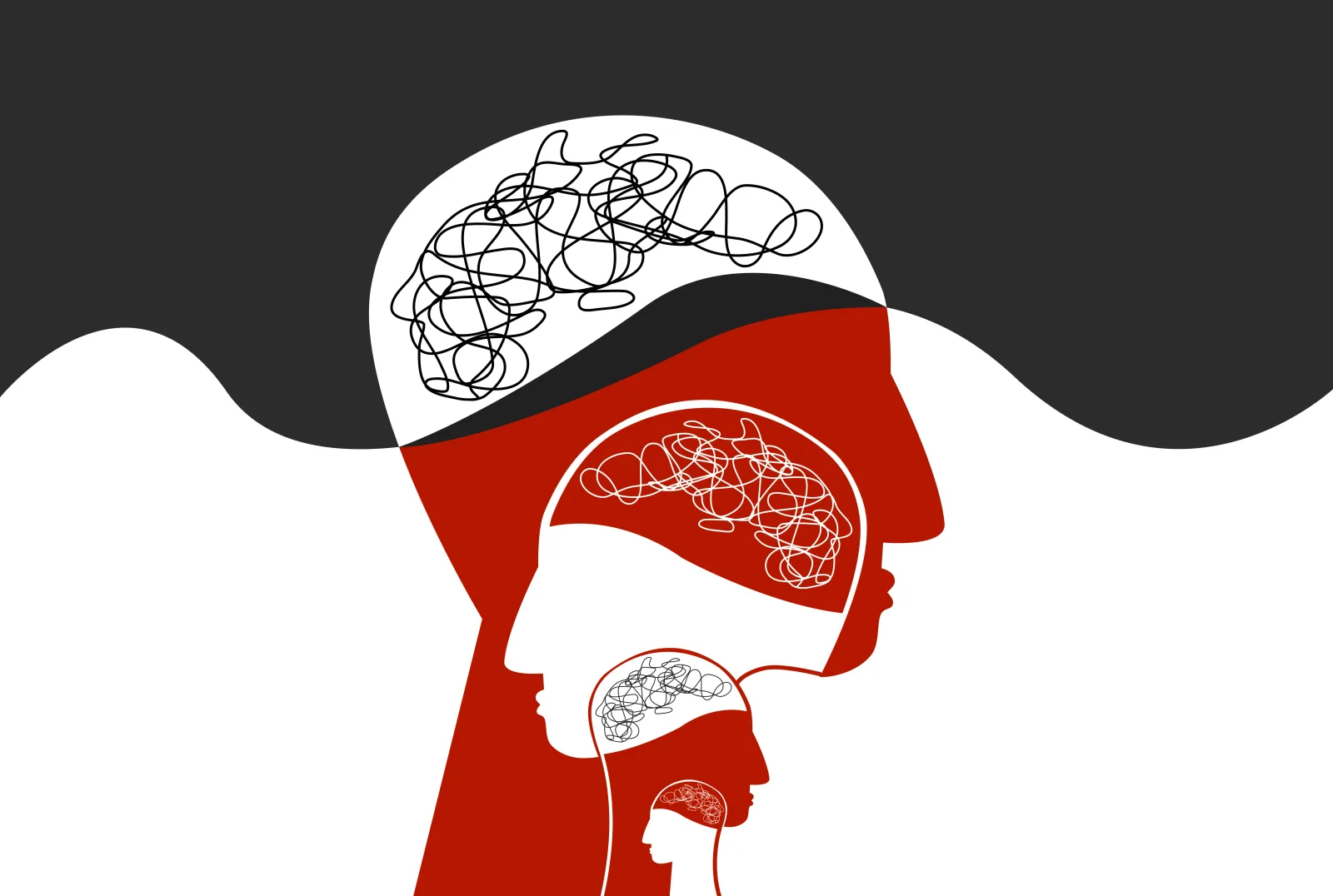
The landscape of psychiatric research is undergoing a quiet but profound transformation. For decades, schizophrenia has been viewed as a genetic black box, with scientists struggling to pinpoint the specific biological markers that drive the disorder. Recent findings, however, are beginning to illuminate this darkness by leveraging advanced artificial intelligence to map the intricate genetic architecture of the condition.
According to recent reports, these new studies provide one of the most detailed pictures to date of how schizophrenia manifests at a molecular level. The research moves beyond the simplistic search for single causative genes. Instead, it highlights a complex web of interactions among thousands of genetic variants. This shift in perspective is critical for understanding the true nature of the disease.
Artificial intelligence plays a pivotal role in this discovery. The sheer volume of genetic data involved is too vast for traditional statistical methods to handle effectively. Machine learning algorithms can detect subtle patterns and correlations that human analysts might miss. These tools allow researchers to synthesize data from diverse sources, creating a comprehensive model of genetic risk.
The implications for drug development are significant. Historically, the failure rate for psychiatric medications has been high due to a lack of clear biological targets. By identifying specific genetic pathways involved in schizophrenia, pharmaceutical companies can design drugs that address the root causes rather than just managing symptoms. This precision approach could lead to more effective and personalized treatments.
Furthermore, this research opens new avenues for early diagnosis. If specific genetic signatures can be reliably identified, it may be possible to detect schizophrenia before clinical symptoms appear. Early intervention is known to improve long-term outcomes for patients. This potential for preventive care represents a major leap forward in mental health management.
The integration of AI in genomics also raises important ethical considerations. As we gain deeper insights into the genetic basis of mental illness, we must ensure that this knowledge is used responsibly. Issues of privacy, consent, and potential discrimination need to be addressed proactively. The scientific community must work closely with ethicists and policymakers to navigate these challenges.
What this means for you: If you are involved in healthcare, biotech, or data science, this trend highlights the growing importance of interdisciplinary collaboration. AI is not just a tool for efficiency; it is a catalyst for scientific discovery. Consider exploring how machine learning can be applied to complex biological datasets in your own work. You might start by experimenting with open-source genomic analysis tools to see how pattern recognition can uncover hidden insights in large-scale data sets.
Reporting basis: original story
← back to The Wire