the wire · #ai · 2026-09-17
Al Gore says the real AI risk isn't data centers
Cech Tech Reviews
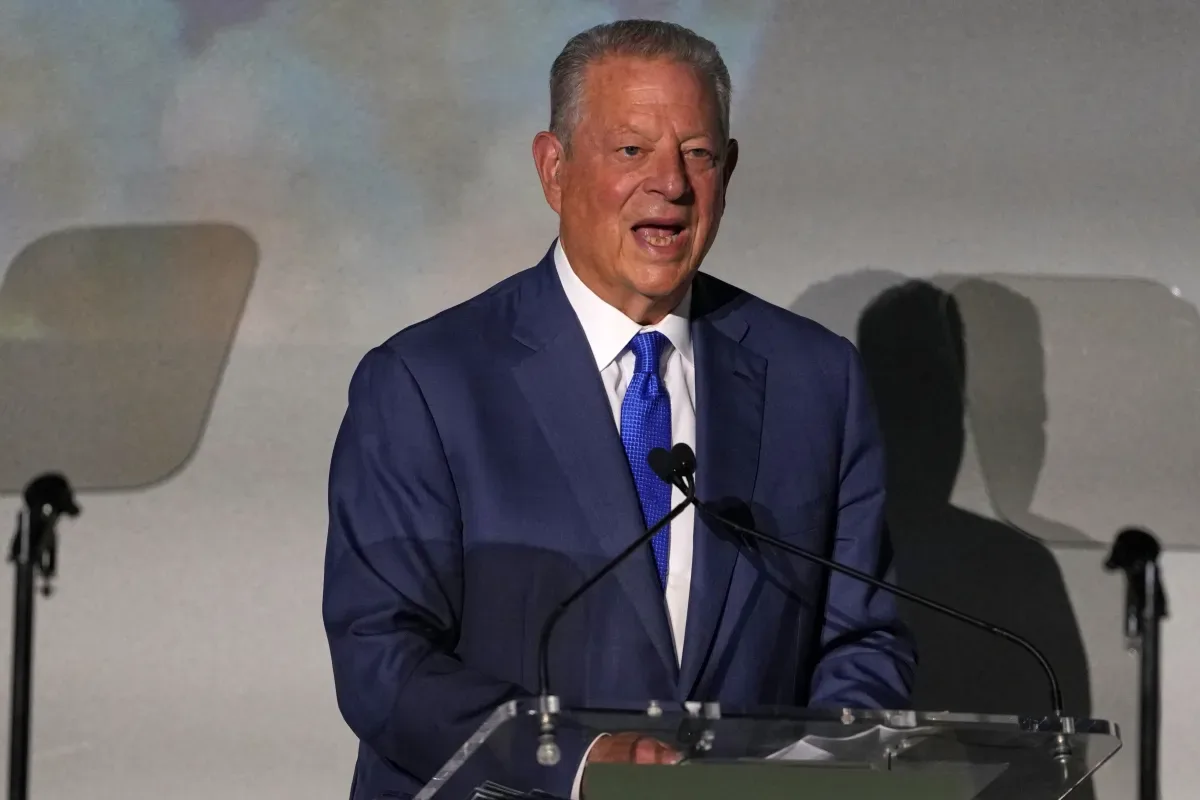
Al Gore just flipped the script on the usual AI debate. In a recent TechCrunch interview, the climate advocate and former VP said he's not particularly worried about data center emissions. Instead, he's taking the AI industry's own doom warnings seriously.
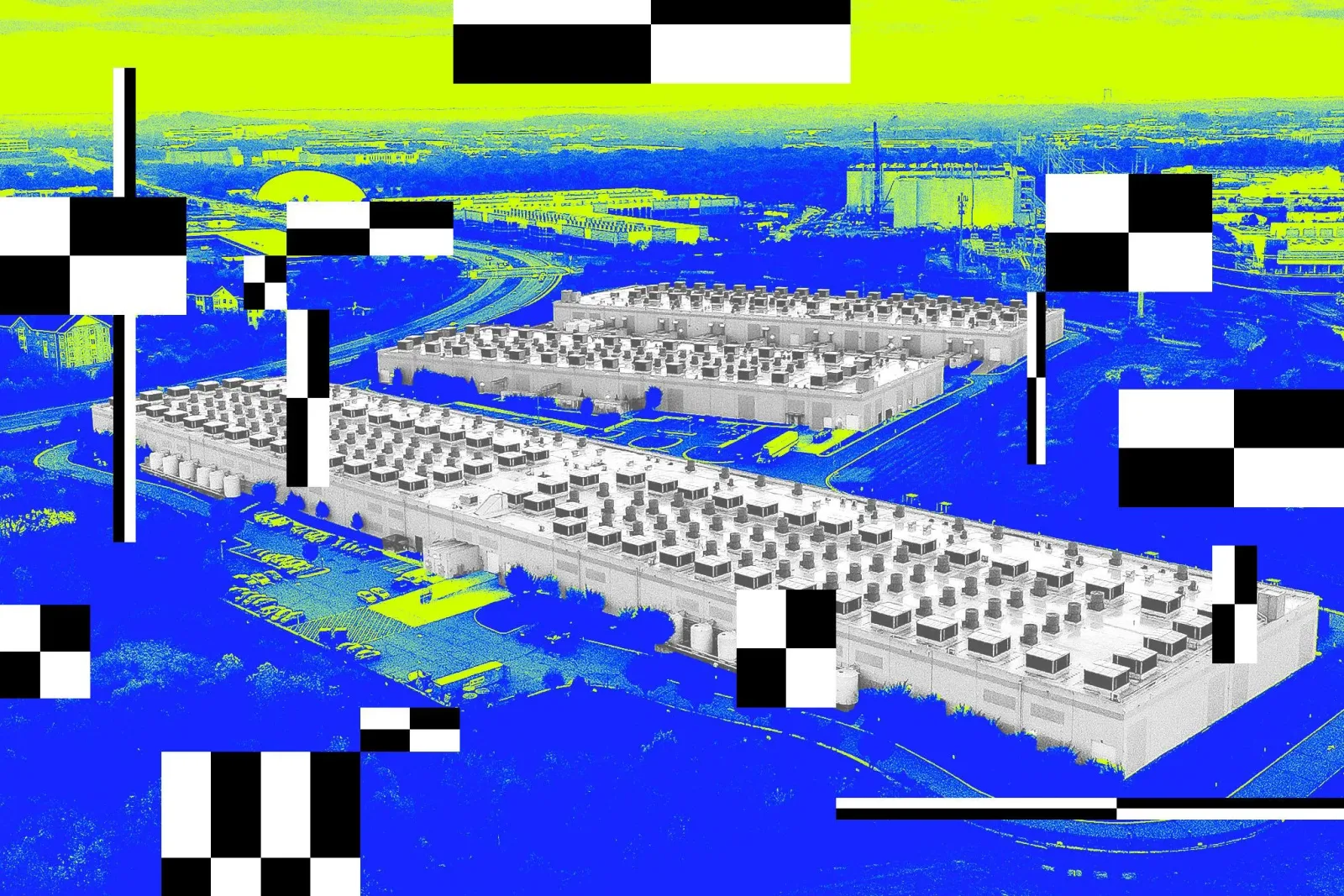
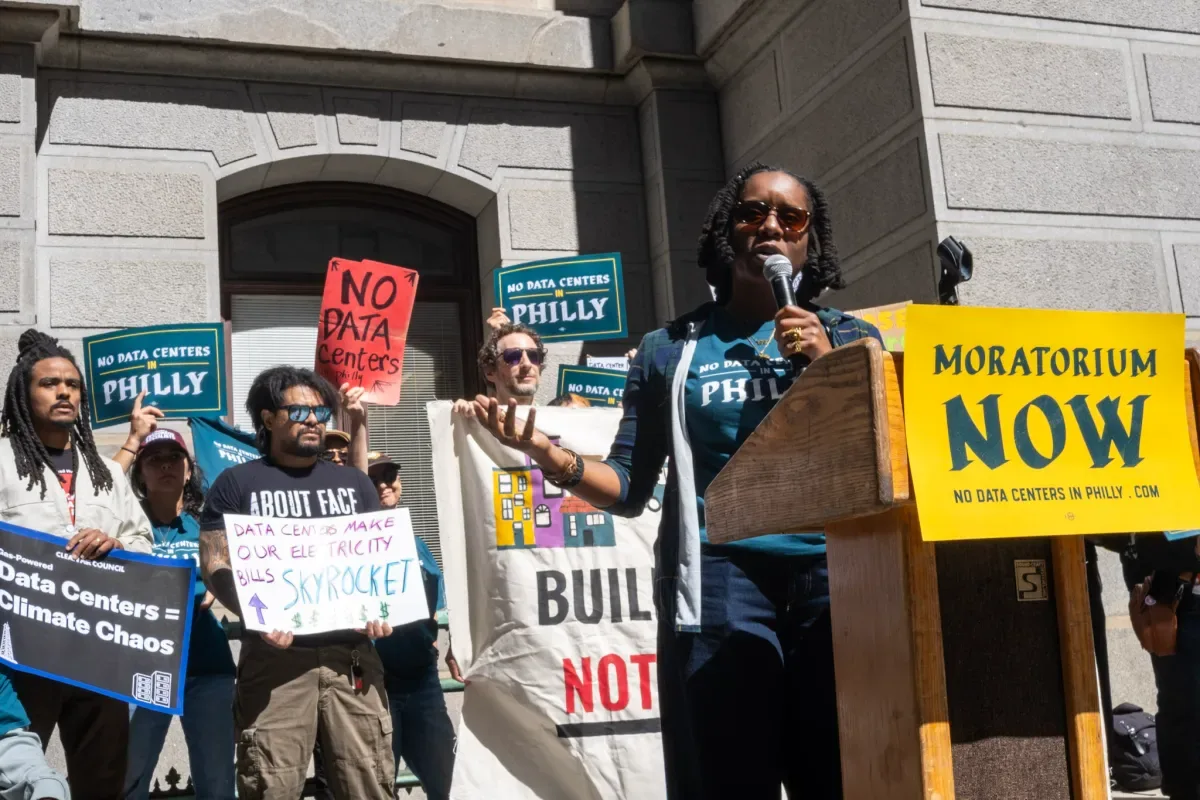
That's a surprising stance from someone who built a career on environmental advocacy. Data centers already consume roughly 1-2% of global electricity, and AI training runs can use as much power as a small town. But Gore is signaling that the existential risk conversation, the one about AI systems becoming uncontrollable or misaligned, deserves more attention than the carbon footprint.
The context matters here. AI labs like OpenAI and Anthropic have spent years warning policymakers about catastrophic risks, from misinformation at scale to loss of human control over advanced systems. Gore seems to be saying: if the people building this technology are sounding alarms, maybe we should listen. It's a form of taking them at their word.
This doesn't mean energy use is irrelevant. It means Gore sees a hierarchy of concerns, and he's prioritizing the risks the industry itself has been most vocal about. That's both a validation of AI safety research and a challenge to companies that warn about risks but keep racing ahead anyway.
For those tracking AI policy, this matters. Gore still has influence in climate and tech circles. If he's shifting focus from watts to weights, from power consumption to power concentration, it suggests the mainstream conversation around AI regulation could tilt more toward governance, safety standards, and accountability frameworks rather than just green energy pledges.
What this means for you: if you're using AI tools in your work, it's worth understanding not just what they can do but what risks the builders acknowledge. When evaluating a new AI platform or vendor, ask what safety measures they've implemented and whether they're transparent about limitations. Try this prompt with your AI assistant: "What are the known limitations and potential risks of the approach you just suggested, and what safeguards should I consider before implementing it?" It's a simple way to build critical thinking into your AI workflows.
Reporting basis: original story
← back to The Wire