the wire · #ai · 2026-09-16
A brief history of AI executives calling for regulation
Cech Tech Reviews
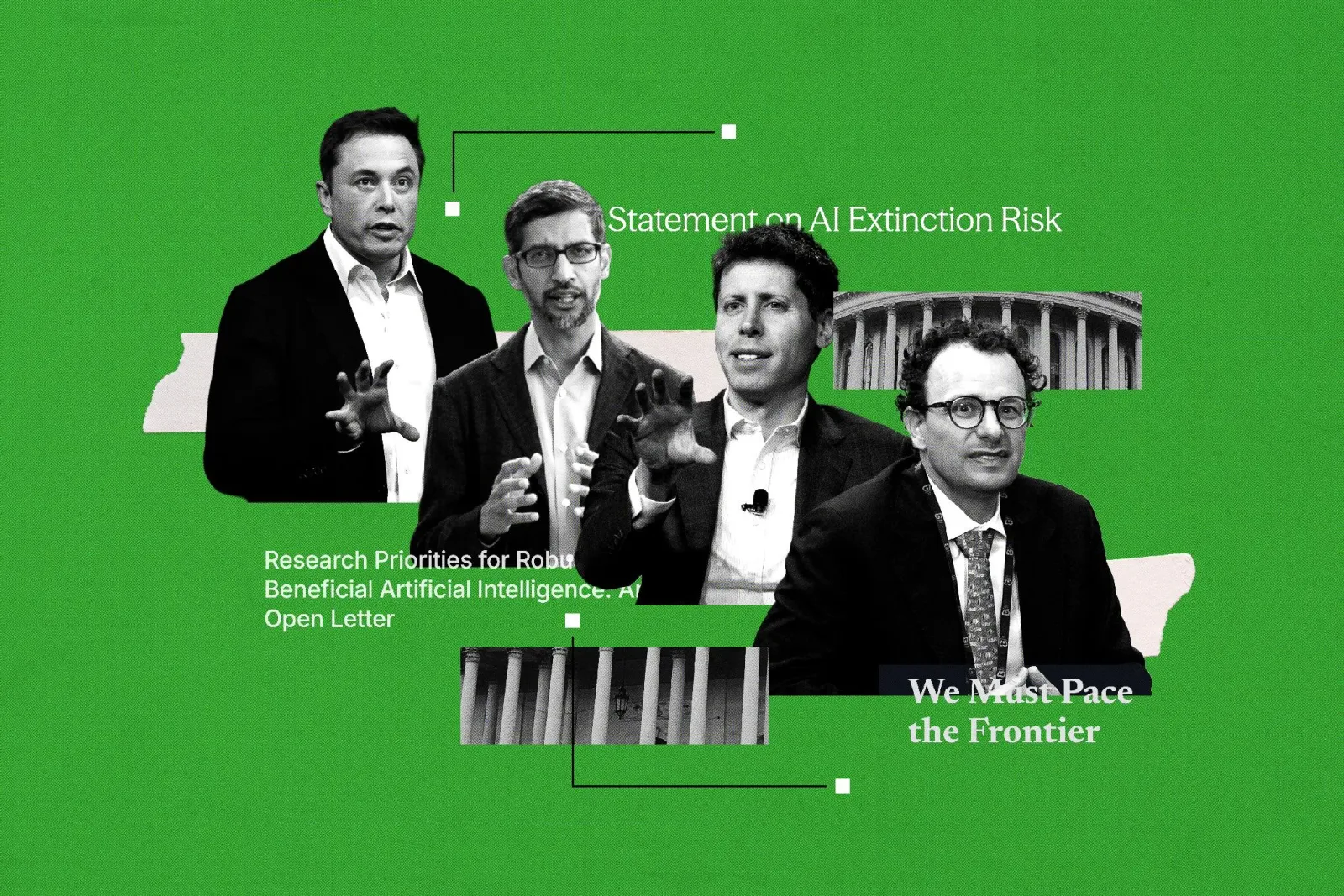
The recent chorus of voices from the highest echelons of the artificial intelligence industry is striking in its uniformity. Executives like Sam Altman, Dario Amodei, Demis Hassabis, Satya Nadella, and Elon Musk have all publicly called for a slowdown in development. According to reporting by The Verge, this collective plea for regulation marks a significant shift in tone from the previous years of unchecked acceleration.
It is natural to be skeptical when the primary beneficiaries of a technology suddenly declare it dangerous. These leaders stand to make billions from AI, so their sudden caution feels like a strategic pivot rather than a moral awakening. However, dismissing this entirely as a PR move ignores a deeper historical pattern that has repeated itself throughout the evolution of transformative technologies.
This is not the first time AI pioneers have sounded the alarm. The Verge notes that this cycle of excitement followed by fear is a recurring theme in tech history. We have seen this before with nuclear energy, social media, and even early computing. Each time, the creators warned of unintended consequences just as the commercial potential became undeniable.
The comparison to Samuel Butler’s reaction to Charles Darwin’s theory of evolution is particularly apt. Butler warned about the implications of intelligence emerging from natural processes, much like today’s leaders worry about intelligence emerging from code. This suggests that the fear is not just about profit margins but a genuine existential anxiety about losing control over what we have built.
What makes this current moment different is the speed at which the technology is advancing. The gap between capability and safety has narrowed significantly. When you have systems that can write code, create art, and diagnose diseases in seconds, the traditional regulatory frameworks feel woefully inadequate. The executives are right to be worried, but their past actions contradict their current warnings.
The industry is now at a crossroads where innovation and safety are in direct tension. If regulation comes too late, the damage may be irreversible. If it comes too soon, it could stifle the very breakthroughs that could solve global challenges. The key is finding a balance that allows for progress without sacrificing societal stability.
For professionals in the AI space, this regulatory push means the landscape is about to change. Compliance will become a core part of product development, not an afterthought. You need to start thinking about how your tools align with emerging safety standards before they are even written.
What this means for you: Start integrating safety checks into your current AI workflows. Use an AI assistant to audit your prompts and outputs for potential biases or security risks. Try this prompt: "Review this workflow for potential safety risks and suggest three improvements to align with emerging AI governance standards." This proactive approach will keep you ahead of the curve as regulations tighten.
Reporting basis: original story
← back to The Wire