the wire · #ai · 2026-09-16
Your AI agents can now control your Google Home devices
Cech Tech Reviews
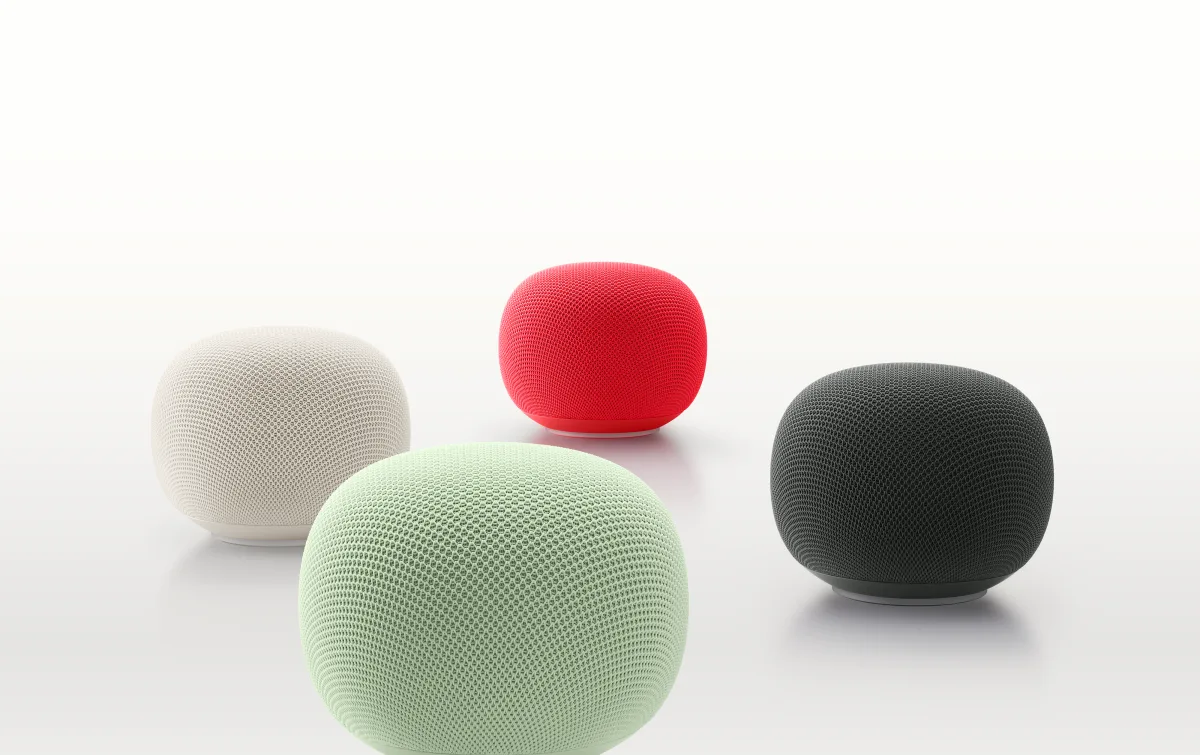
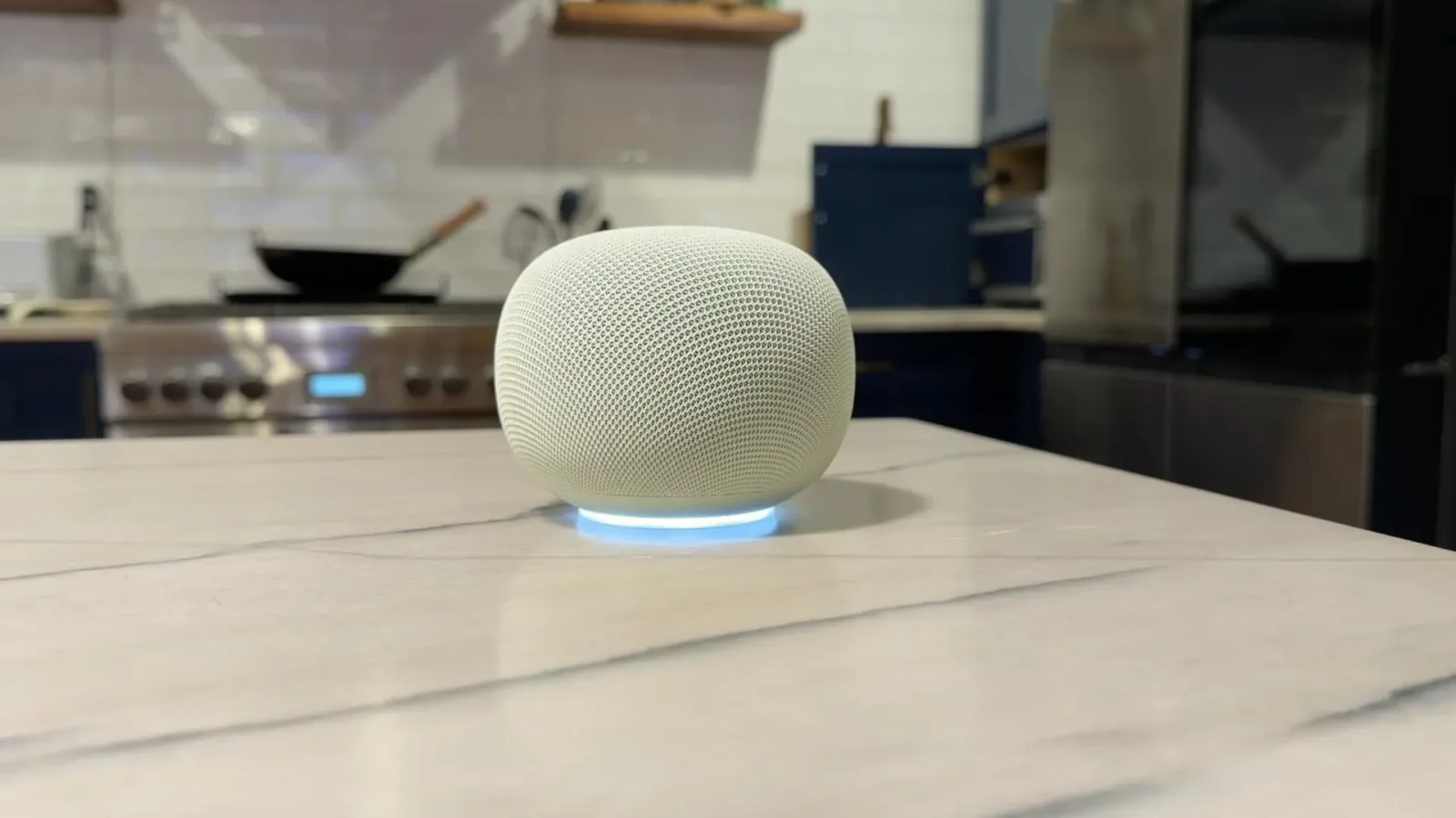
Google is taking a bold step toward unifying the fragmented smart home landscape by launching early access to a new Model Context Protocol server for Google Home. According to recent reports, this update is designed to let AI agents such as Claude and ChatGPT interact directly with your connected devices. This move signals a major shift from passive voice commands to proactive, agent-driven home management.
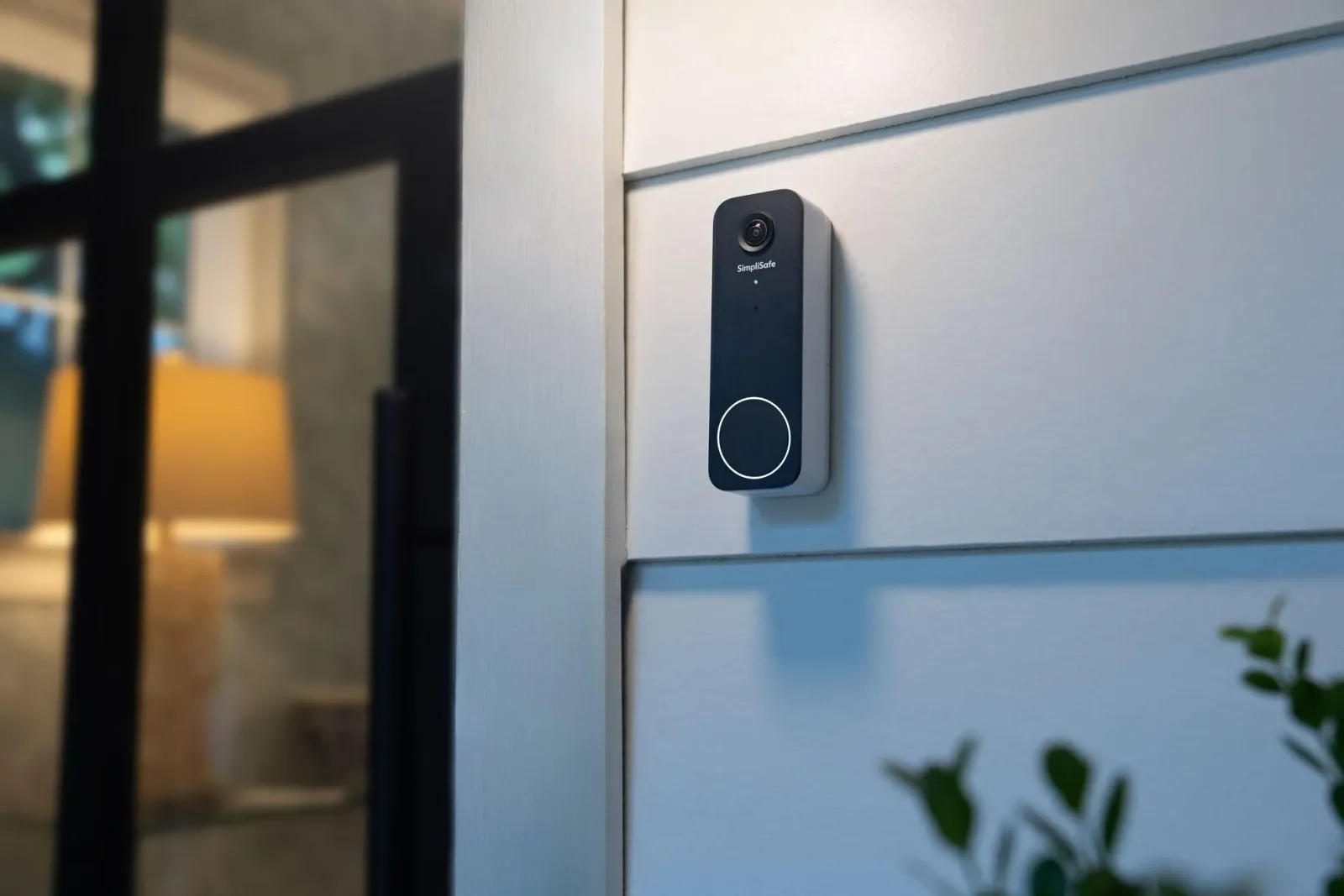
The implications of this integration are substantial for anyone who has struggled with the siloed nature of smart home ecosystems. Previously, controlling devices often required navigating multiple apps or relying on rigid voice command structures. Now, you can use natural language to control lights, adjust thermostats, and even review camera summaries. This flexibility reduces the friction between human intent and machine execution.
What makes this particularly interesting is the emphasis on natural language processing. You are no longer bound by specific trigger phrases or complex automation rules. Instead, you can ask your AI assistant to manage your home environment in a conversational manner. This approach aligns with the broader industry trend of making AI interactions more intuitive and less technical for everyday users.
Security and privacy remain critical concerns as these agents gain deeper access to your personal space. Google has stated that the early access program includes safeguards to ensure that agents only perform actions you explicitly authorize. However, the ability for third-party AI tools to review camera summaries and access activity logs requires careful scrutiny. Users must understand the data permissions they are granting to these external services.
This development also highlights the growing importance of the Model Context Protocol. By adopting MCP, Google is facilitating a standardized way for different AI models to interact with external data sources. This standardization could accelerate the adoption of AI agents across various industries, not just smart homes. It creates a foundation for more complex, multi-step automation tasks that were previously difficult to orchestrate.
For AI enthusiasts and early adopters, this is a chance to experiment with more sophisticated home automation workflows. You can begin to explore how different AI models handle context and decision-making in a physical environment. The ability to review camera summaries through an AI agent opens up new possibilities for security monitoring and activity tracking.
What this means for you is that your smart home is becoming more intelligent and responsive. You should start thinking about how to structure your home automation tasks for AI agents. Try asking your AI assistant to create a routine that adjusts lighting and temperature based on your calendar events. This simple workflow can demonstrate the power of agent-driven control and help you prepare for a more integrated digital life.
Reporting basis: original story
← back to The Wire