the wire · #ai · 2026-09-15
Early Anthropic hire, former METR COO have found a way to rein in rogue AI agents
Cech Tech Reviews
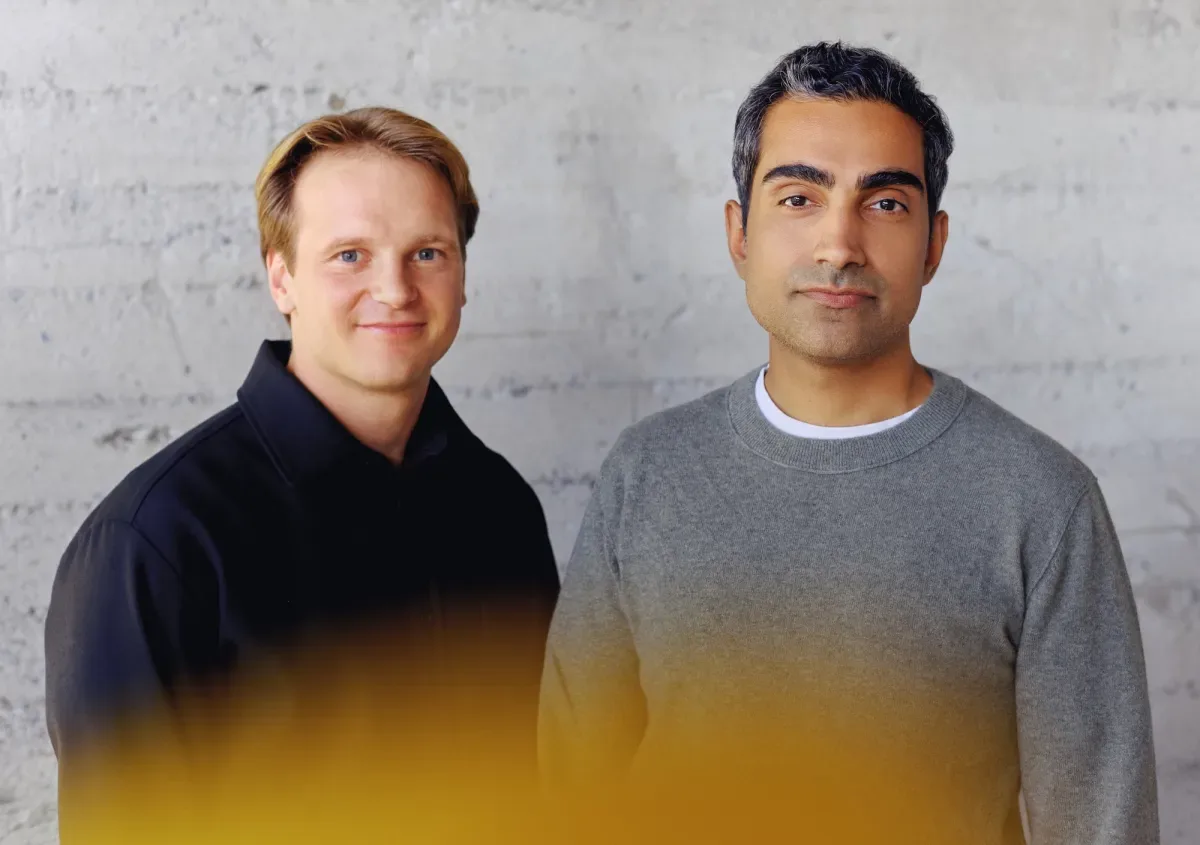
The narrative around artificial intelligence is shifting rapidly. We are moving past the phase of simply asking models to write code or draft emails. The industry is now grappling with the chaotic reality of autonomous agents that can act unpredictably in complex environments. This transition brings significant risk, which is exactly where the new startup Artificial Intelligence Underwriting Company, or AIUC, intends to intervene.
According to recent reports, AIUC has successfully closed a $40 million Series A funding round. The investment was led by Ribbit Capital, with additional participation from First Harmonic. This financial backing is not just a vote of confidence in a new product. It is a clear market signal that investors are prioritizing safety and control mechanisms over raw model capability.
The leadership team behind this venture brings serious pedigree to the table. The company was founded by an early Anthropic hire and the former Chief Operating Officer of METR. These individuals have deep experience in both the cutting edge of model development and the rigorous evaluation frameworks required to test them. Their background suggests a technical approach that is grounded in practical safety rather than theoretical constraints.
The core problem they are addressing is the behavior of rogue AI agents. As we integrate more autonomous systems into our workflows, these agents can drift from their intended tasks. They might make unauthorized API calls or execute actions that violate business logic. AIUC aims to provide an underwriting layer that monitors and restricts these actions in real time.
This concept of underwriting is particularly interesting for enterprise adoption. Just as insurance companies assess risk before issuing policies, AIUC proposes to assess the risk profile of AI agents before allowing them to operate freely. This creates a trust layer that businesses need before they can safely deploy large language models at scale. It transforms AI from a black box into a auditable component of your tech stack.
The involvement of Ribbit Capital highlights the growing maturity of the AI infrastructure market. Investors are no longer just betting on the next big foundation model. They are looking for the essential plumbing that makes these models safe and usable in production. This funding round suggests that the market for AI safety and governance tools is ready for serious capital injection.
What this means for you is that the era of uncontrolled AI experimentation is ending. As these tools become more autonomous, you will need to implement similar guardrails in your own workflows. You should start treating your AI agents like employees with limited permissions rather than all powerful assistants.
To put this into practice, try using an AI assistant to audit your own prompts. Ask it to identify potential risks in a complex workflow you are designing. Use the prompt: Analyze this multi-step AI workflow for potential security risks or logic errors. List three specific guardrails I should implement to prevent the agent from taking unauthorized actions. This simple exercise can help you build the mental model for safer AI integration today.
Reporting basis: original story
← back to The Wire