the wire · #global · 2026-11-21
Alice Huang, Accused of Spying on Nvidia’s CEO, Is Linked to Firms With Ties to China’s Military
Cech Tech Reviews

The recent developments surrounding Alice Huang have shifted the narrative from a simple corporate espionage allegation to a broader geopolitical flashpoint. According to reporting, Huang is now linked to a network of Chinese firms with direct ties to the country's military. This connection suggests the stakes are far higher than individual corporate secrets.
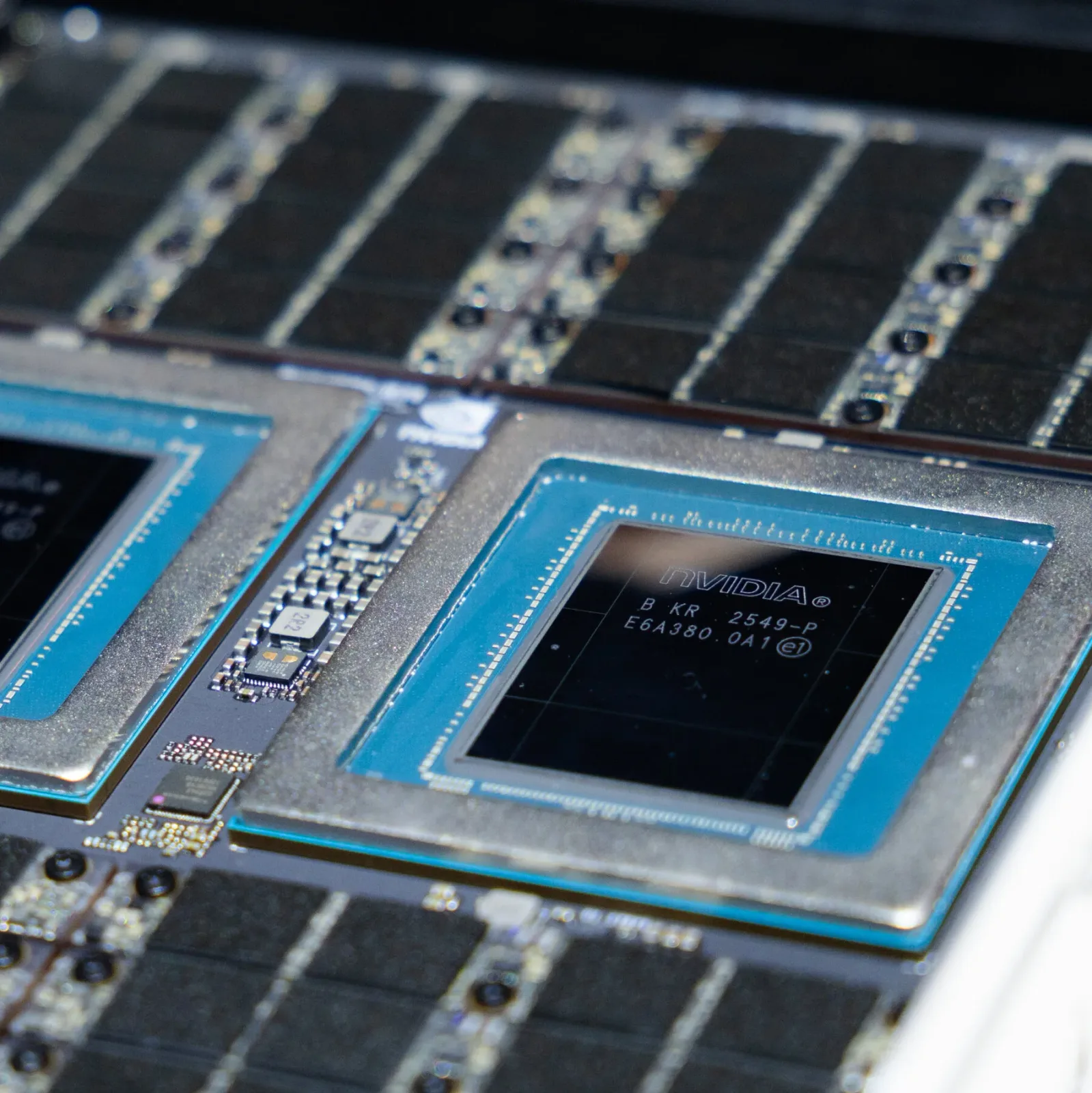
Nvidia has long been the undisputed king of AI hardware. Their GPUs power the vast majority of large language model training runs globally. When a high-profile executive like Huang becomes entangled in these allegations, it sends shockwaves through the entire semiconductor industry.
The core issue here is the dual-use nature of advanced computing. The same chips that train medical AI models also power military simulations and surveillance systems. Chinese defense contractors are actively seeking these capabilities to modernize their infrastructure. This creates an inherent conflict for US-based tech leaders.
Huang's alleged connections indicate a sophisticated web of influence. It is not just about stealing code. It is about ensuring that China's military-industrial complex gets the compute power it needs to compete with the West. This changes how we view talent mobility in the AI sector.
Regulators are now paying closer attention to these intersections. The US government is increasingly wary of any technology transfer that could bolster adversarial military capabilities. This scrutiny will likely intensify as AI becomes more central to national security strategies worldwide.
For professionals in the AI space, this is a stark reminder of the geopolitical risks embedded in your daily work. You are not just building models. You are participating in a global race for computational supremacy. Compliance and ethical boundaries are no longer optional.
What this means for you: If you work with sensitive datasets or high-performance computing resources, ensure your organization has robust export control protocols. Use this prompt to audit your current workflows: "Review my current data handling and compute allocation processes against US export control regulations for dual-use technologies. Identify any potential risks where advanced AI models could be repurposed for military applications."
The era of unregulated AI development is ending. The intersection of commerce and national security is now the defining challenge for tech leaders. Staying informed and compliant is your best defense against these complex geopolitical currents.
Reporting basis: original story
← back to The Wire