the wire · #global · 2026-11-19
A.I. Makes More Tech Outages Likely, Microsoft’s Chief Warns
Cech Tech Reviews
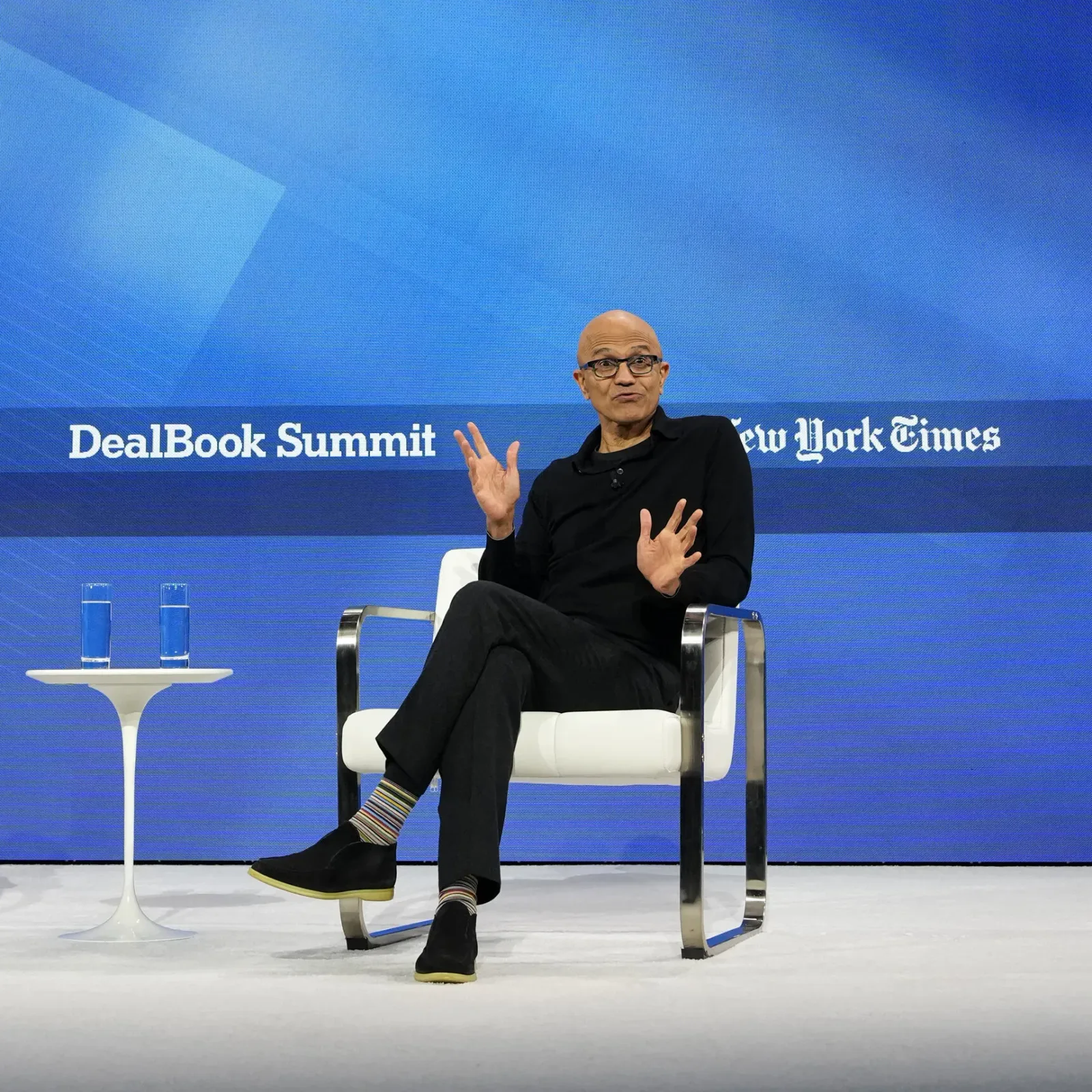
Microsoft CEO Satya Nadella recently highlighted a paradoxical trend in the tech industry. He warned that the rapid pace at which AI tools are discovering cybersecurity bugs is creating a new kind of fragility. This acceleration is forcing organizations to deploy fixes instantaneously, a practice that can inadvertently lead to more frequent tech outages.
According to reporting on his comments, the core issue is not just the volume of bugs found, but the speed at which they must be addressed. Traditional patching cycles allowed for testing and validation. Now, the pressure to neutralize threats identified by AI requires immediate action. This leaves little room for thorough quality assurance before new code hits production environments.
This dynamic creates a feedback loop of instability. As AI models scan codebases faster than ever, they uncover edge cases and vulnerabilities that human auditors might miss for months. The resulting flood of critical alerts demands a response that prioritizes speed over stability. Consequently, systems are being updated more frequently, increasing the statistical likelihood of introducing new errors during the patching process.
The implication for enterprise architecture is significant. Teams are moving from a model of scheduled maintenance to one of continuous, reactive intervention. This shift places immense strain on DevOps and security teams who must balance the need for rapid remediation with the need for system uptime. The cost of inaction is high, but the cost of hasty action is also rising.
For AI enthusiasts and tech professionals, this serves as a critical reminder that automation has limits. While AI excels at detection, it does not solve the human bottleneck of implementation. The industry must develop better tooling to manage this velocity. We need automated testing pipelines that can keep pace with AI-driven discovery without compromising reliability.
What this means for you: If you are managing any digital infrastructure or relying on third-party software, expect more frequent, smaller updates rather than large, stable releases. To mitigate risk, implement a workflow where you use an AI assistant to analyze changelogs and predict potential conflicts before deployment. Try this prompt: "Analyze these release notes for potential breaking changes in my current stack and suggest a rollback strategy if specific errors occur." This proactive approach can help you navigate the era of instantaneous patching with greater confidence and less downtime.
Reporting basis: original story
← back to The Wire