the wire · #global · 2026-11-20
Nvidia Asked to Sell Chips to Companies Tied to Chinese Military and Megaspeed
Cech Tech Reviews
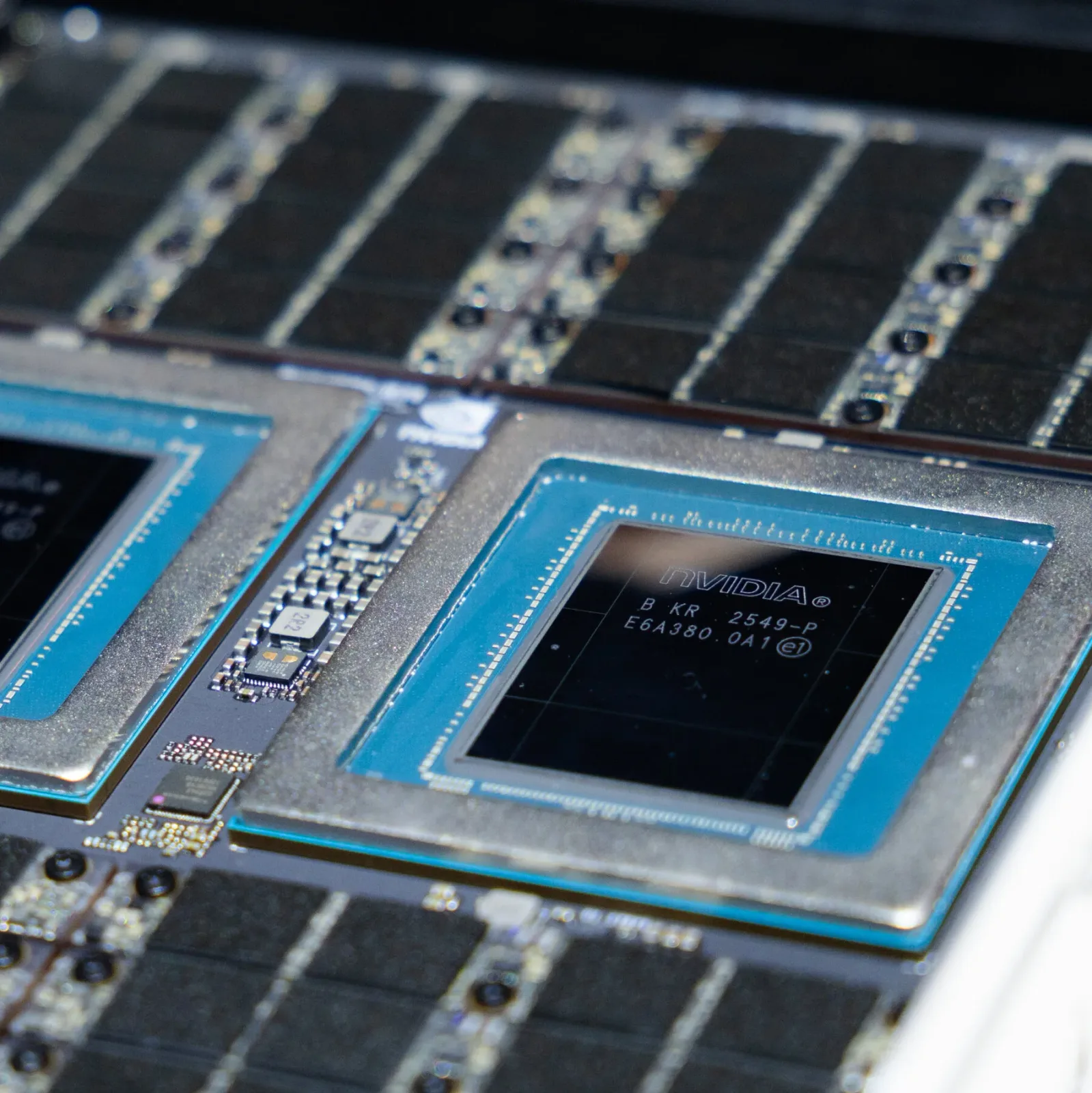
A fresh wave of scrutiny has landed on the intersection of US export policy and the global AI hardware market. According to reporting by Reuters, lawmakers have released confidential information indicating that the Commerce Department approved sales of more than 800,000 AI chips to Chinese companies. The concerning detail is that several of these entities have known ties to the Chinese military.
This is not just a bureaucratic slip. It represents a significant volume of high-performance computing power flowing across borders despite existing restrictions. Nvidia’s A100 and H100 chips are the backbone of modern large language model training. Allowing such a massive quantity to reach entities with military connections suggests either a loophole in the approval process or a systemic failure in oversight.
The geopolitical implications are stark. The US has been trying to curb China’s AI advancement by restricting access to cutting-edge semiconductors. If these approvals stand, it effectively undermines that strategy. It allows Chinese military-linked firms to accelerate their own AI capabilities using American technology. This creates a direct conflict between economic interests and national security goals.
For the tech industry, this news introduces new levels of uncertainty. Companies relying on Nvidia hardware must now navigate a more complex compliance landscape. Investors are watching closely to see if Nvidia faces penalties or if new regulations will tighten the rules. The market reaction could be volatile as stakeholders reassess the stability of the current export framework.
This situation also highlights the difficulty of enforcing tech controls in a globalized economy. Supply chains are intricate and often opaque. Tracing the end-user of a chip can be challenging when it passes through multiple intermediaries. The Commerce Department’s approval process may need a complete overhaul to prevent such large-scale leaks of restricted technology.
What this means for you: If you are building AI applications or managing tech infrastructure, stay vigilant about supply chain transparency. Verify the origins of your hardware and ensure your vendors are compliant with current export laws. To help navigate this, try using an AI assistant to draft a compliance checklist for your hardware procurement process. Ask it to generate a list of red flags for potential military-linked entities in your supply chain based on public sanctions lists.
Reporting basis: original story
← back to The Wire