the wire · #topnews · 2026-10-29
An AI Breakthrough Has Made Decades of Computer Science Research ‘Irrelevant’
Cech Tech Reviews
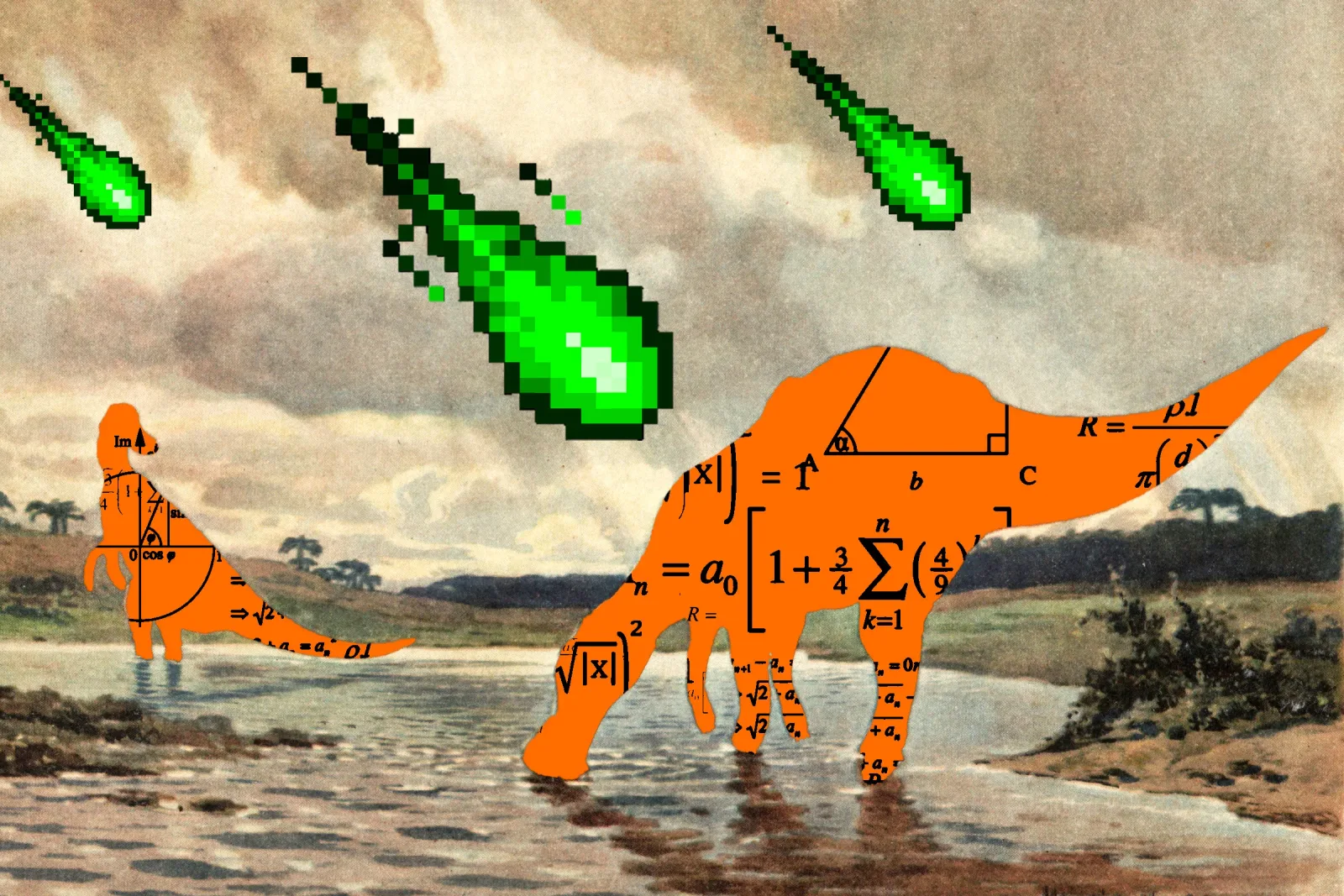
The tech world is buzzing after reports from major outlets suggest that Anthropic and OpenAI have effectively overturned a core principle of computer science. According to coverage of this development, researchers are reacting with a mix of disbelief and intense curiosity, describing the atmosphere as being filled with the energy of "overexcited bunnies." This isn't just a minor adjustment to existing models; it is framed as a fundamental disruption to how we understand computational limits.
For decades, certain theoretical boundaries have guided how we build and scale artificial intelligence. These constraints were not arbitrary rules but rather deep mathematical truths that shaped the architecture of modern algorithms. If these tenets are indeed irrelevant, as the leading labs claim, it means the entire roadmap for future AI systems might need to be redrawn from the ground up. The implications for efficiency, capability, and safety are profound and immediate.
The reaction from the broader research community is telling. While some are struggling to process the fall of long-held beliefs, others are already sprinting toward new questions. This duality highlights a critical moment in the evolution of AI. The field is moving from a phase of cautious optimization to one of radical exploration. The old guard is adjusting, while the new wave is eager to test the boundaries of what is now theoretically possible.
This breakthrough challenges the very notion of what is computationally feasible. It suggests that problems previously deemed intractable or too resource-intensive might suddenly become solvable with new approaches. For entrepreneurs and developers, this means the competitive landscape could shift overnight. The companies that can quickly adapt to these new theoretical realities will likely gain a significant edge in performance and cost efficiency.
However, skepticism remains a healthy part of scientific discourse. The claim that decades of research are "irrelevant" is a bold statement that requires rigorous verification. While the initial reports are exciting, the community is taking time to dissect the proofs and replicate the results. This careful scrutiny is essential to ensure that the breakthrough is not just a theoretical curiosity but a practical tool for real-world applications.
As we digest this news, it is clear that the pace of innovation in AI is accelerating beyond previous expectations. The collaboration between major players like Anthropic and OpenAI in sharing these findings suggests a new level of transparency and competition. This dynamic is pushing the entire industry forward, forcing everyone to rethink their assumptions and strategies.
What this means for you: If you are building AI-powered products, stay agile. The theoretical foundations of your current stack might be about to change. Start experimenting with new model architectures that prioritize flexibility over rigid efficiency constraints. Try this prompt with your AI assistant to brainstorm potential impacts on your specific use case: "Analyze my current AI workflow for [specific task] and suggest three modifications that would leverage a hypothetical breakthrough in computational efficiency, focusing on scalability and reduced latency."
Reporting basis: original story
← back to The Wire