the wire · #ai · 2026-08-29
“We're not doing 30 bets a year”: Vijay Pande on betting small after running $4 billion at a16z
Cech Tech Reviews
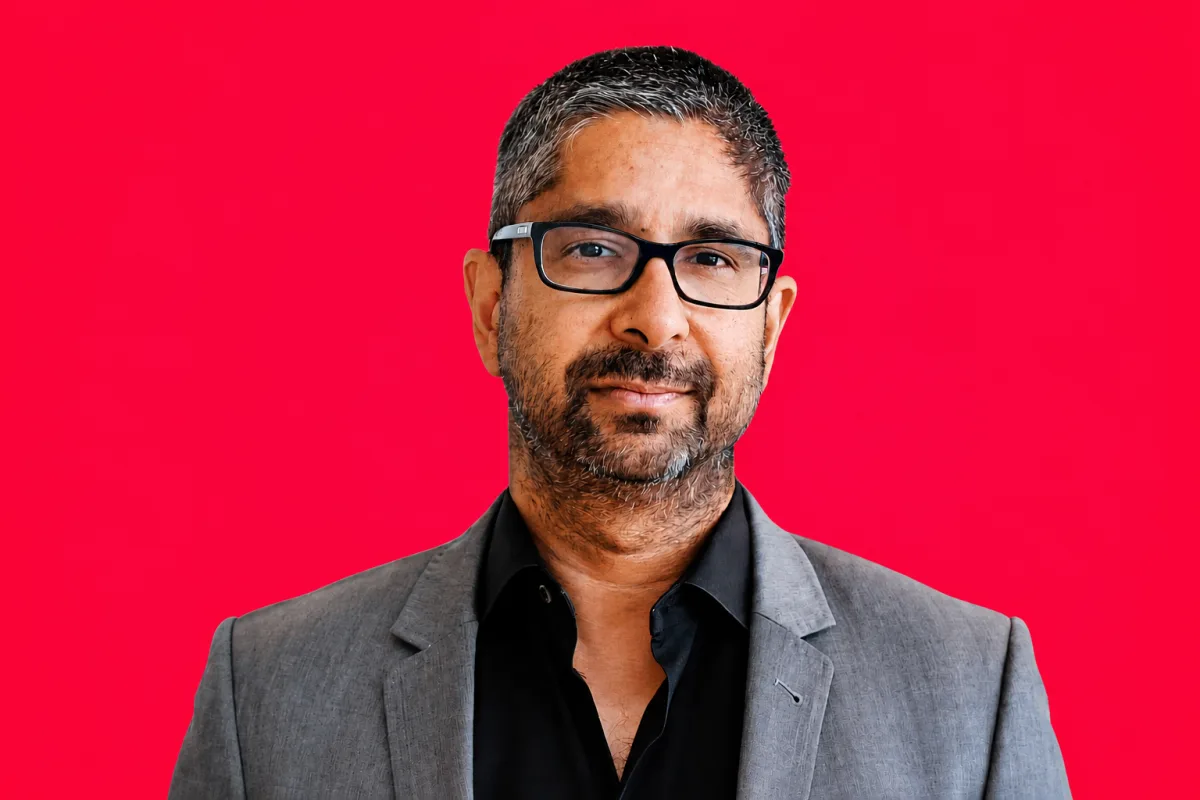
Vijay Pande is making a strategic pivot that signals a broader maturation in the AI and biotech sectors. After leading Andreessen Horowitz's roughly $4 billion biotech practice, he has left to launch VZVC, a significantly smaller, AI-native venture capital firm. This move is not just a personal career change but a clear indicator that the era of throwing massive capital at biological discovery is evolving into a more precise, engineering-focused phase.
According to reporting on his new venture, Pande believes biology is finally transitioning from a discovery science to an engineering one. This distinction is critical for AI practitioners. It means we are moving past the phase of merely observing biological systems to actively designing and optimizing them using computational tools. This shift allows for more predictable outcomes and scalable solutions rather than relying on serendipitous discoveries.
The scale of his previous fund highlights how much capital was previously deployed to solve problems that are now being approached differently. Pande notes that his new approach involves making fewer, more targeted bets. He explicitly stated that his firm is not doing thirty bets a year. This suggests a move toward higher conviction investments where AI models can de-risk the early stages of drug development more effectively than traditional methods.
Clinical trials remain one of the most brutal and expensive hurdles in bringing new medicines to market. Pande points out that while AI can accelerate discovery, it cannot yet fully bypass the regulatory and logistical realities of human testing. However, by using AI to better predict efficacy and toxicity earlier in the pipeline, the cost and failure rate of these trials can be significantly reduced. This is where the engineering mindset truly pays off.
A key part of Pande's thesis revolves around data accessibility. He argues that open, shared datasets are the only way AI will truly transform medicine. Walled-off data silos, common in large pharmaceutical companies, limit the training data available for robust models. Open science allows for broader collaboration and faster iteration, which is essential for solving complex biological problems.
This perspective challenges the traditional proprietary model of drug development. It suggests that the future of biotech lies in collaborative ecosystems where data flows freely. For entrepreneurs and developers, this means building tools that facilitate data sharing and interoperability will be more valuable than creating closed-loop systems. The competitive advantage will come from the quality of insights derived from shared knowledge.
What this means for you is that the barrier to entry for AI in biotech is lowering, but the requirement for high-quality, open data is rising. If you are building AI tools for healthcare, prioritize integrations that allow for seamless data exchange. Try this workflow: Use an AI assistant to map out existing open-source biological datasets relevant to your project, then prompt it to identify gaps in current model training data that your tool could fill. This approach aligns with the industry shift toward open, engineering-driven biology.
Reporting basis: original story
← back to The Wire