the wire · #ai · 2026-08-30
Musk's faster path to more gas turbines comes with pollution problem
Cech Tech Reviews
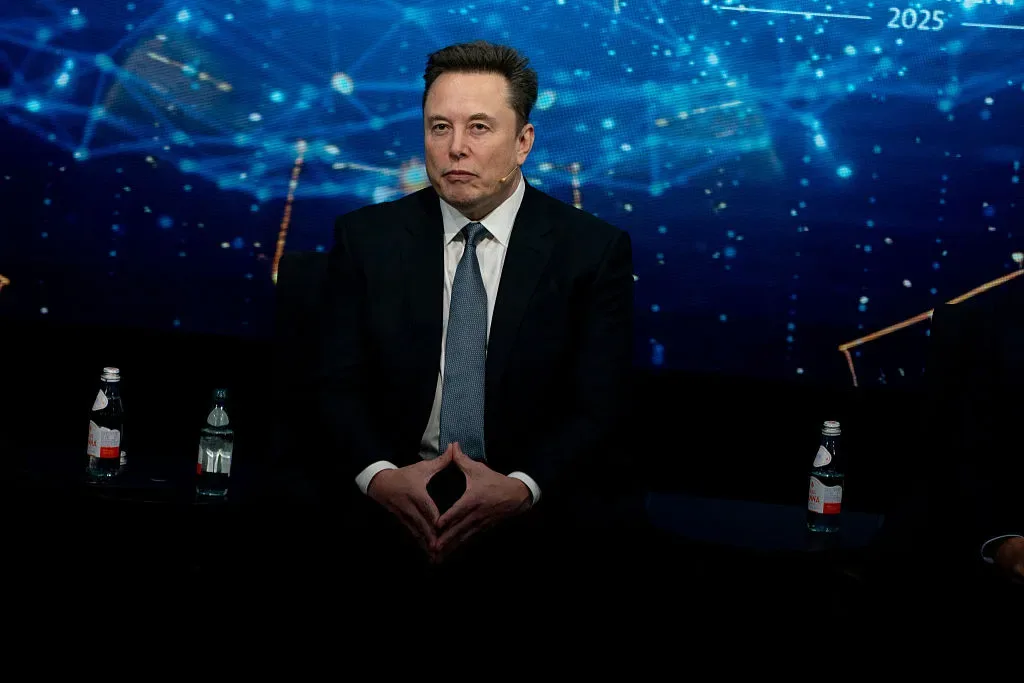
Elon Musk has announced a new strategic move that blends his aerospace ambitions with the urgent demands of artificial intelligence infrastructure. According to recent reports, SpaceX is establishing a secretive foundry designed to cast its own turbine blades for gas power plants. The goal is straightforward and aggressive. Musk claims this vertical integration will allow his energy projects to come online eighteen months faster than any competitor.
This timeline is significant because it suggests a bottleneck in the supply chain for heavy industrial manufacturing. By controlling the production of critical components like turbine blades, SpaceX bypasses the delays often associated with third-party vendors. For an industry that relies on speed to meet the exploding demand for data center power, shaving a year and a half off deployment is a massive competitive advantage.
However, this push for speed comes with a heavy environmental caveat. Gas turbines are already facing intense scrutiny due to their role in climate change and local pollution. Lawsuits and health studies are mounting in regions where these plants operate. Musk’s bet on this fuel source is not just a business decision but a political and ecological gamble that ignores the growing backlash against fossil fuels.
The connection to AI is the critical missing piece in most coverage. The artificial intelligence boom is driving an unprecedented demand for electricity. Data centers are consuming power at rates that strain existing grids. Musk is positioning SpaceX not just as a space company but as a key player in the energy sector that powers the AI revolution. This aligns with his broader vision of integrating multiple high-tech industries to solve complex logistical problems.
Critics argue that relying on gas turbines is a short-sighted solution. While they provide quick power, they lock infrastructure into carbon-intensive operations for decades. The environmental costs include air quality degradation and contributions to global warming. These issues are becoming harder to ignore for investors and regulators who are increasingly focused on sustainable practices.
From an AI perspective, this move highlights the friction between computational growth and energy sustainability. As models become larger and more complex, the energy footprint of training and running them expands. Solutions like Musk’s offer immediate relief but may not be scalable in a carbon-constrained future. The industry needs to balance speed with long-term viability.
What this means for you is that the intersection of AI and energy is becoming more complex. Professionals in tech and sustainability should watch how companies like SpaceX navigate these challenges. It is a test case for whether rapid industrial scaling can coexist with environmental responsibility. You can use an AI assistant to analyze the lifecycle emissions of different energy sources for your own projects. Try this prompt to get started: "Compare the carbon footprint and deployment speed of gas turbines versus renewable energy solutions for data centers, focusing on regulatory risks and long-term cost implications."
Reporting basis: original story
← back to The Wire