the wire · #ai · 2026-08-03
Apple finally fixed Siri. So why does it feel anticlimactic?
Cech Tech Reviews
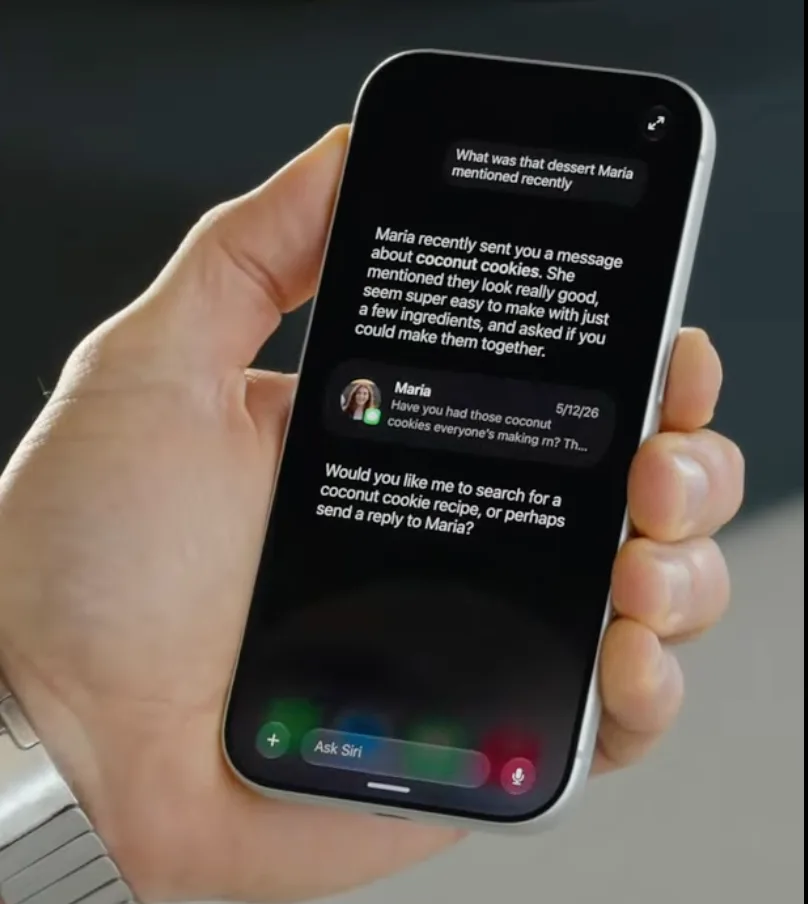
Apple just shipped the Siri everyone wanted five years ago. The latest update transforms Apple's voice assistant into something genuinely capable, fixing years of frustration with better context handling, more reliable responses, and actual useful AI features. But here's the thing: it feels like showing up to a party everyone else has been at for hours.
According to the original reporting, this represents Apple's major AI overhaul, the one that was supposed to prove the company hadn't fallen behind in the generative AI race. And technically, Siri now works the way users always assumed it should. It understands follow-up questions. It can handle complex requests. It integrates with your apps in meaningful ways.
The problem isn't that Apple failed. It's that the goalposts moved while they were building this. ChatGPT, Claude, and Gemini have spent the past two years training users to expect AI assistants that don't just respond accurately but anticipate needs, generate creative solutions, and handle genuinely complex workflows. Siri's upgrade makes it functional. That used to be enough. In 2026, functional is table stakes.
What's particularly telling is the muted reaction from the tech community. There's relief that Siri finally works, but not excitement about what it enables. Compare that to the response when ChatGPT's voice mode dropped, or when Claude added computer control. Those felt like capabilities that unlocked new possibilities. This feels like Apple patching a leak.
The deeper issue is strategic. Apple built its reputation on being late but better, on waiting until it could deliver an experience that made competitors look unfinished. That playbook doesn't work when the technology itself is evolving weekly. By the time Apple perfected this version of Siri, the conversation had already shifted to agentic AI, multimodal interactions, and assistants that can actually do things rather than just answer questions.
There's still a path forward for Apple. The company has unmatched hardware integration, a privacy stance users actually trust, and an ecosystem that could make AI assistance feel seamless rather than bolted on. But that requires moving faster and taking bigger swings. Catching up isn't a strategy when the finish line keeps moving.
What this means for you: if you're an iPhone user frustrated with Siri, this update is worth exploring for daily tasks. But if you're building AI-dependent workflows, you're likely already using ChatGPT or Claude for the heavy lifting. Here's a prompt to test whether Siri or your current AI assistant handles your specific needs better: "I need to schedule three meetings this week, draft follow-up emails for each, and set reminders to prep materials the day before. Here are the details: [your specifics]. Walk me through how you'd help me organize this." Whichever assistant makes that feel effortless is the one you should rely on.
Reporting basis: original story
← back to The Wire