the wire · #gadgets · 2026-07-14
Apple Watch among wearables exempted from EU user-replaceable battery rules
Cech Tech Reviews
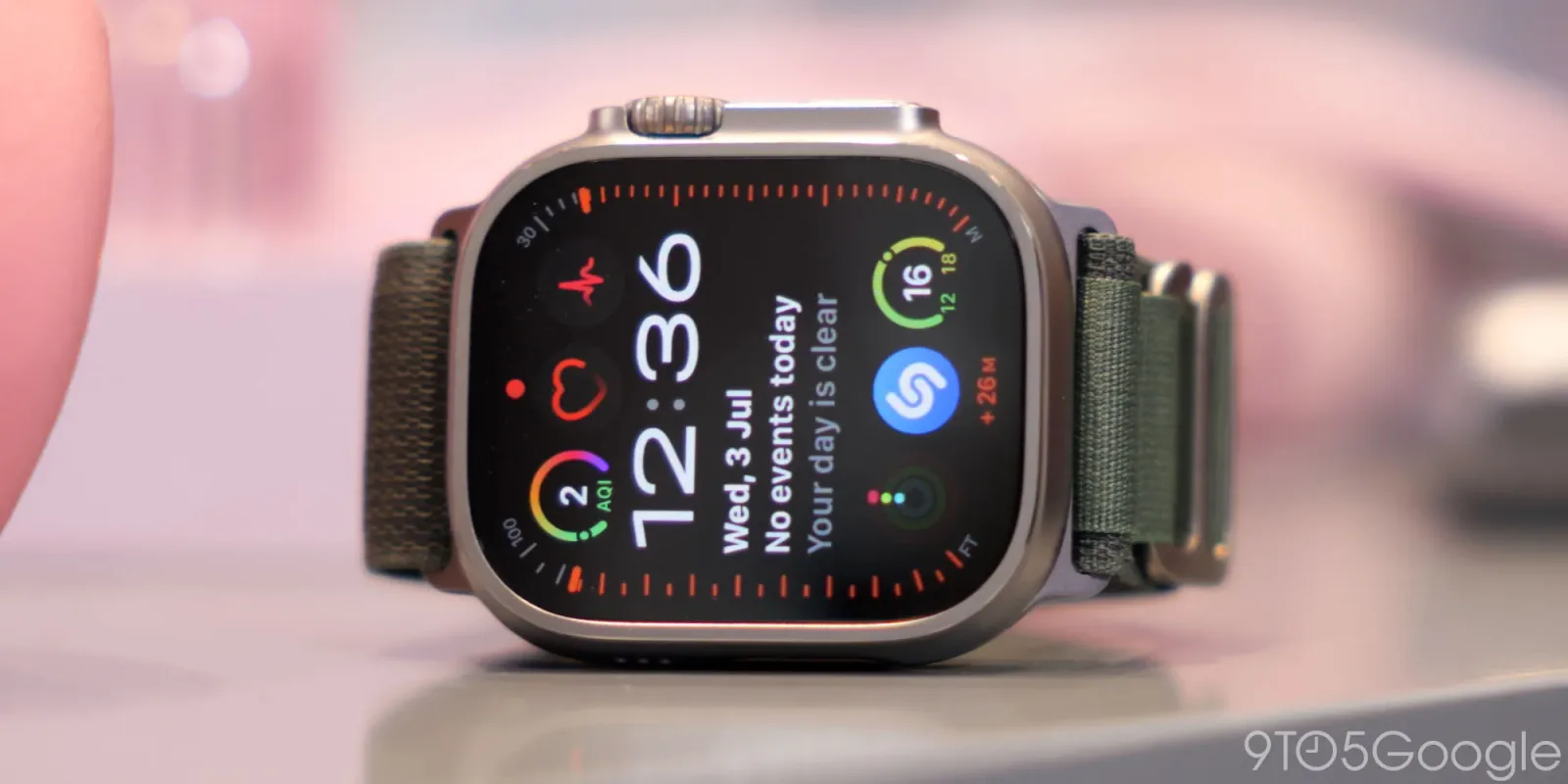
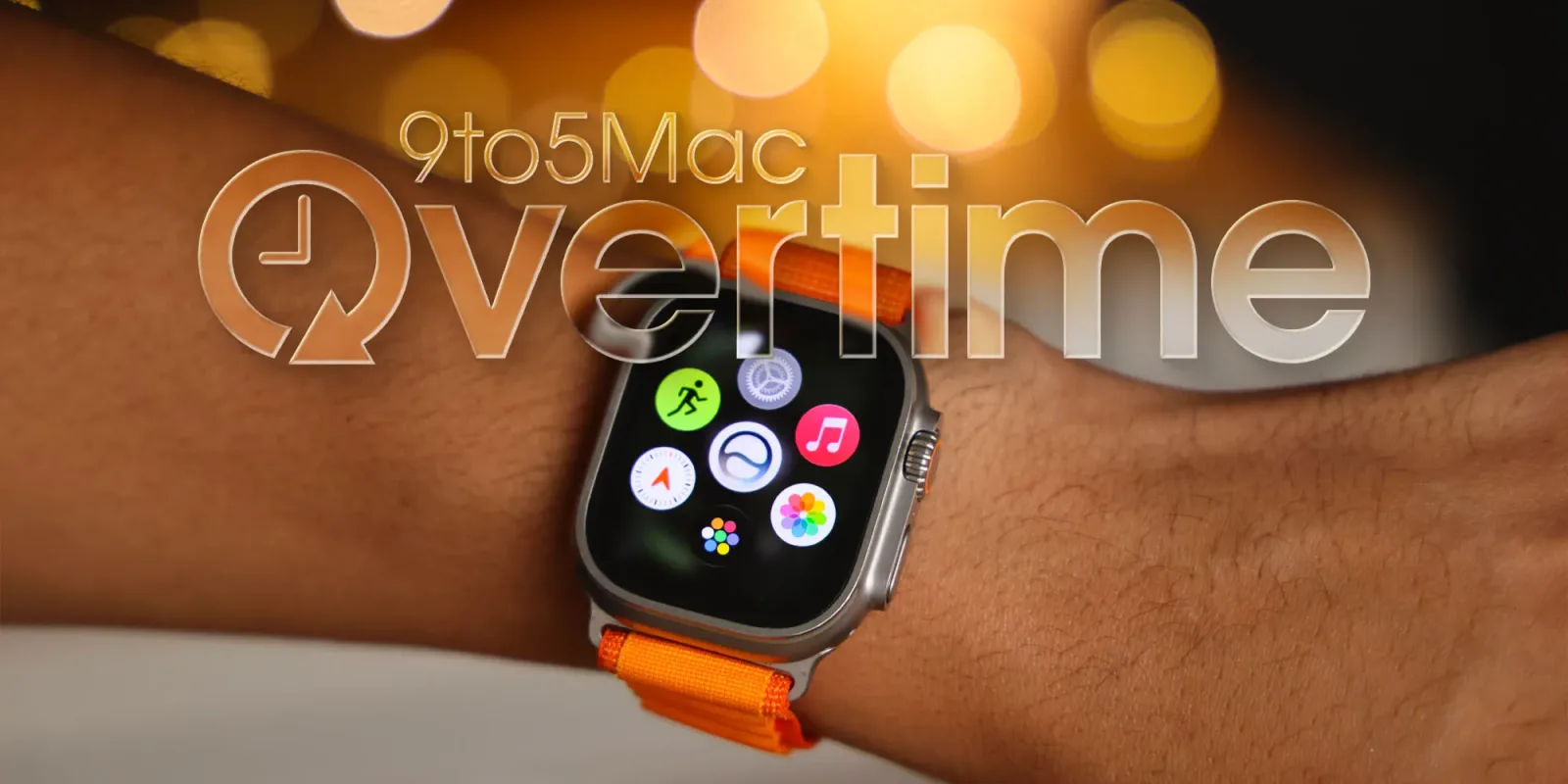
The European Commission has officially revised its battery regulations to exempt compact wearable devices from the strict requirement that batteries be user-replaceable. This update specifically targets devices like the Apple Watch, which face significant physical constraints due to their small form factor. According to the reporting on this regulatory shift, the goal is to balance environmental sustainability with the practical engineering limits of modern health tech.
This exemption is not a blanket approval for non-repairable devices. It applies only to wearables that meet specific size and weight thresholds. The Commission recognized that forcing users to replace batteries in such small devices could lead to higher e-waste if users opt for new devices instead of repairs. This is a pragmatic acknowledgment that one-size-fits-all repairability rules can sometimes backfire in niche hardware categories.
For the broader AI and tech hardware industry, this signals a more nuanced regulatory environment. Regulators are moving away from rigid mandates and toward risk-based exemptions. This approach allows innovation in miniaturization to continue without being stifled by impractical repair requirements. It suggests that future regulations will likely focus on modularity and serviceability where feasible, rather than absolute user access.
The implications for companies like Apple and Samsung are significant. They can continue to design tightly sealed, water-resistant devices without facing immediate compliance penalties for non-removable batteries. However, this does not absolve them of all repair responsibilities. Manufacturers must still ensure that authorized repair networks are available and that battery replacement is technically feasible for professionals.
This regulatory shift also highlights the growing tension between consumer convenience and environmental responsibility. While users may prefer the ease of swapping a battery, the reality of wearable tech design often makes this impossible without specialized tools. The EU’s decision prioritizes reducing overall device waste over maximizing individual repair options in this specific category.
For AI enthusiasts and tech professionals, this news underscores the importance of understanding regulatory nuances. As AI integration into hardware becomes more common, expect similar exemptions for compact, AI-powered wearables. The focus will likely shift toward software-driven longevity and efficient power management rather than just hardware modularity.
What this means for you If you rely on wearables for health tracking or productivity, expect continued innovation in miniaturization without the burden of user-replaceable batteries. To maximize the lifespan of your device, consider using AI-driven battery optimization tools. Try this prompt with your AI assistant to manage your device's power settings: "Analyze my daily usage patterns and suggest three specific app restrictions to extend my wearable's battery life by at least 20%." This proactive approach can help you get more out of your device despite the non-replaceable battery constraint.
Reporting basis: original story
← back to The Wire