the wire · #ai · 2026-09-25
Can Apple Home’s AI camera features outsmart Amazon’s and Google’s? I put them to the test
Cech Tech Reviews
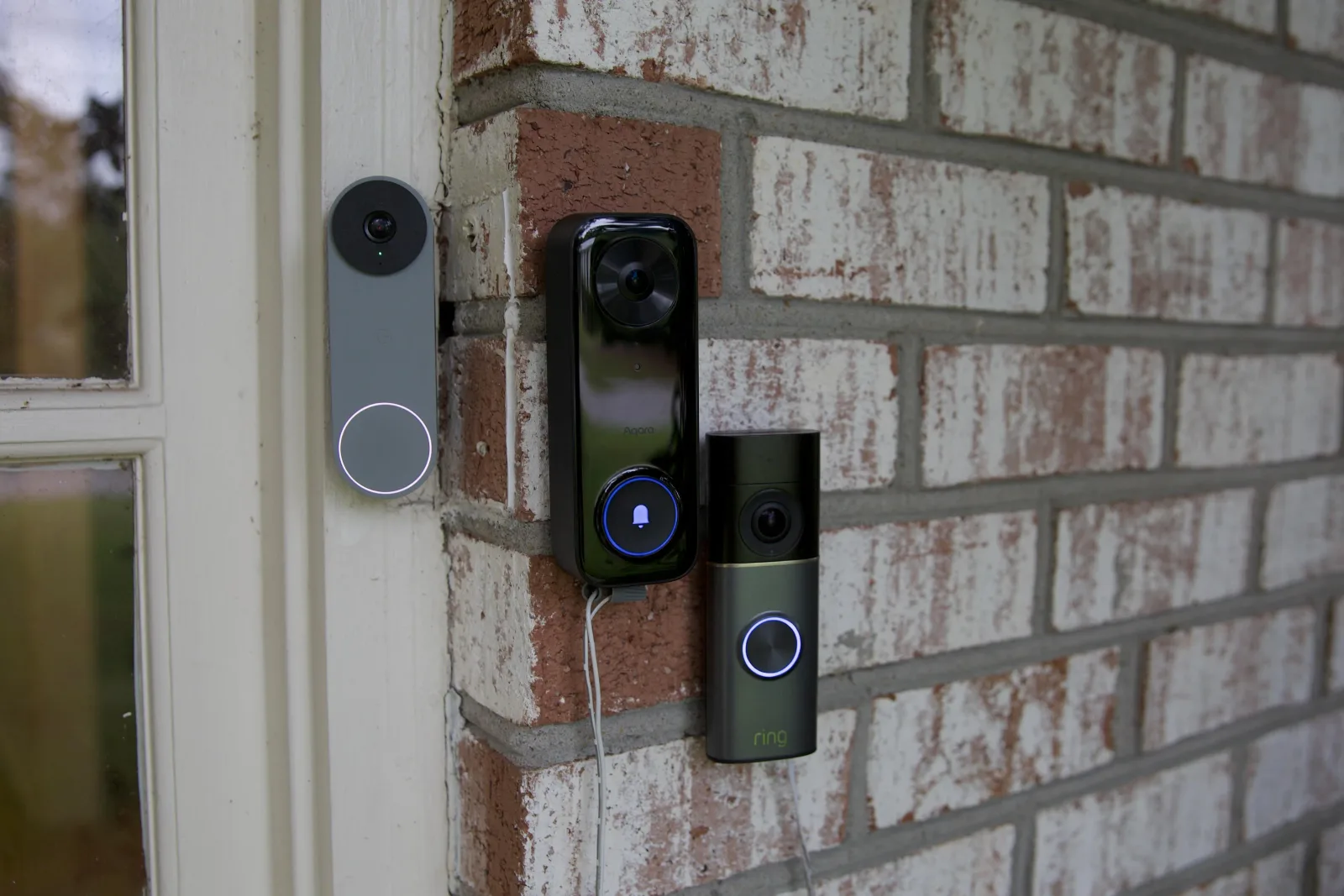
The Verge recently put the latest AI-powered home security features from Apple, Google, and Amazon head to head. The testing scenario involved a chaotic beachside Easter egg hunt where constant motion alerts threatened to overwhelm the user. This real world chaos is the perfect stress test for smart home cameras that promise to be smarter than simple motion detectors.
Apple’s new Gemini for Home features stood out by providing rich text descriptions of events. Instead of just saying motion was detected, the system described the scene in a sentence. This shift from binary alerts to narrative summaries changes how we interact with security footage. It turns a notification into a quick story rather than a demand for immediate video playback.
Google’s Nest Doorbell and Amazon’s Ring Pro 4K also entered the fray with their own AI capabilities. The goal for all three ecosystems is to reduce false positives and provide useful context without requiring constant manual checking. The competition is no longer just about video quality but about how well the AI can interpret what is actually happening in front of the lens.
One of the biggest pain points addressed in the test was the endless buffering of low priority clips. Users often ignore alerts because they know they will have to wait for a video to load only to see their dog or a passing car. The new AI features aim to solve this by filtering out irrelevant motion before it ever reaches your phone. This saves bandwidth and mental energy for events that truly matter.
The implications for the smart home market are significant. As these features mature, the barrier to entry for effective home security rises. Consumers will expect their cameras to understand context rather than just react to pixels moving. This pushes manufacturers to invest heavily in on device processing and advanced machine learning models.
For professionals managing multiple properties or remote teams, these tools offer a new layer of automation. You can set up workflows that only trigger alerts for specific behaviors or people. This reduces alert fatigue and allows for more efficient monitoring without being glued to a screen.
What this means for you is that you should start experimenting with your current smart home AI settings. Review your notification rules and see if your device offers text summaries or activity zones. Try this prompt with your AI assistant to optimize your setup: "Analyze my current smart home camera notification settings and suggest three ways to reduce false positives using AI filtering and activity zones."
The future of home security is not just about recording everything. It is about intelligently curating what you see. The winner in this space will be the platform that best balances comprehensive coverage with minimal user interruption. Keep an eye on how these AI features evolve in the coming months.
Reporting basis: original story
← back to The Wire