the wire · #ai · 2026-09-25
Muse sure looks a lot like OpenClaw
Cech Tech Reviews
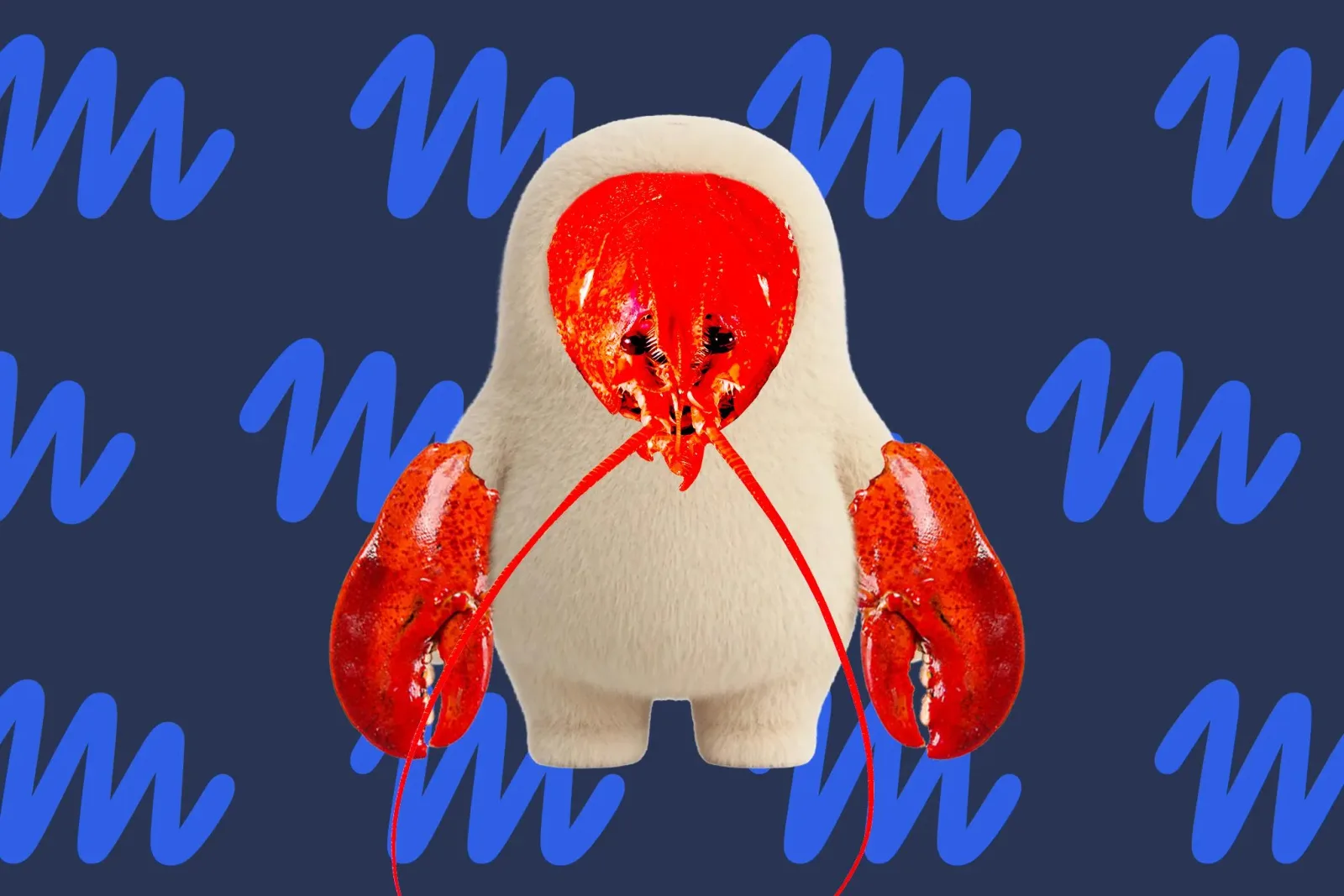
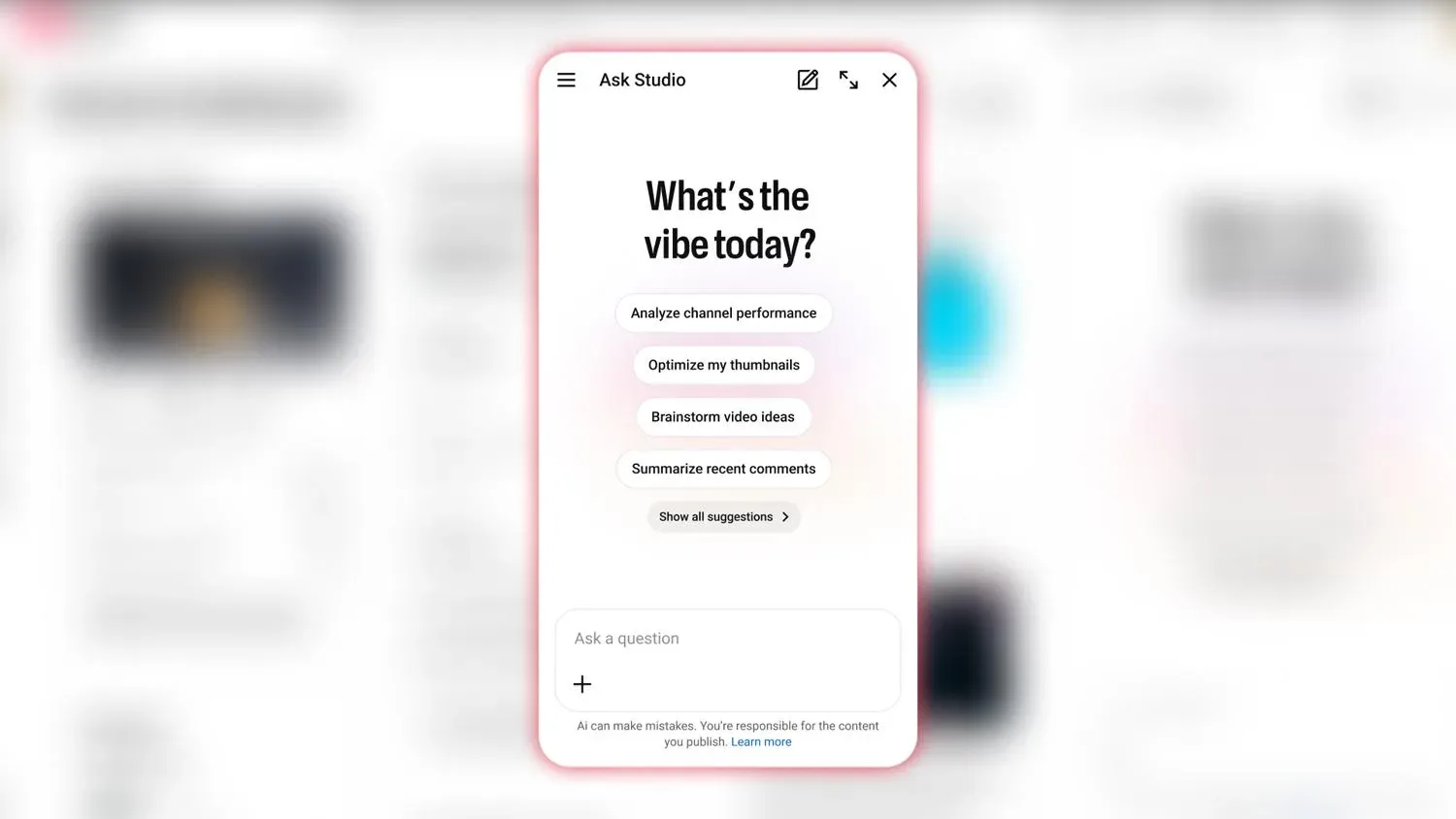
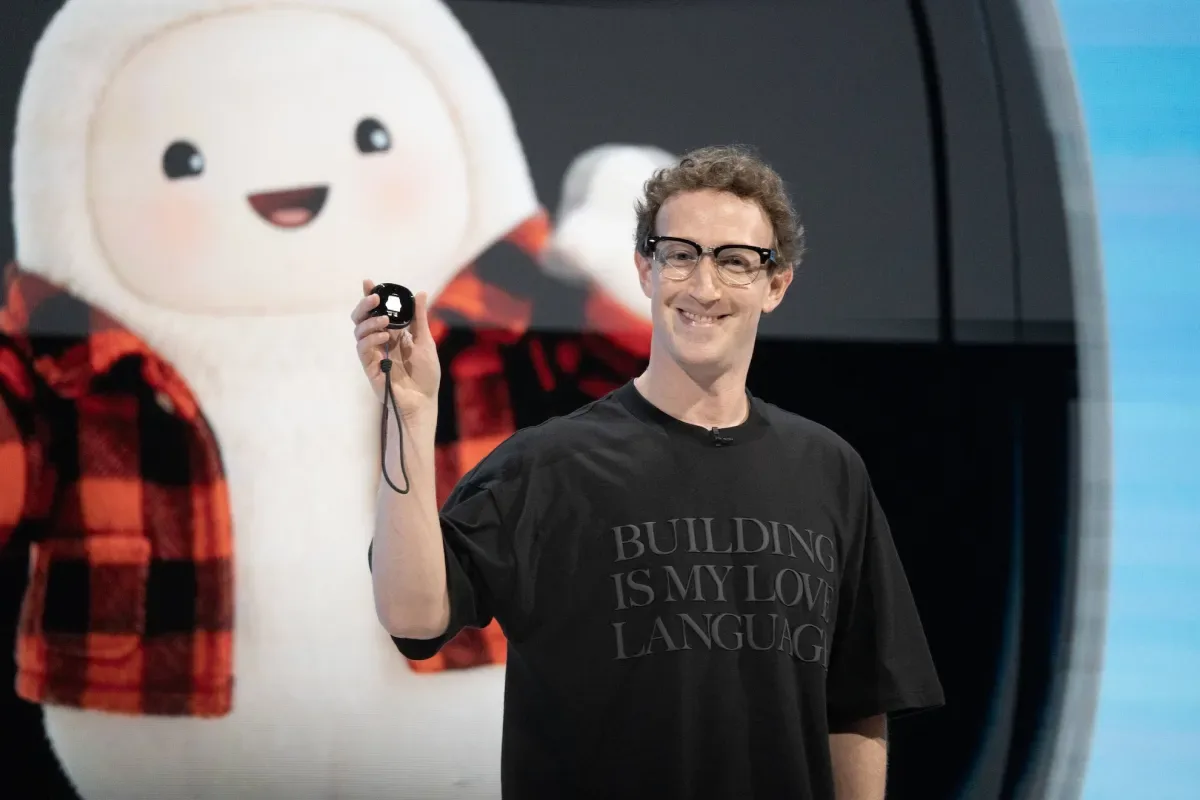
Meta's new AI agent app Muse hit number one on the App Store and racked up 600,000 daily active users in the US within days of launch, according to Apptopia estimates. That's an impressive debut for any consumer app, let alone one in the still-emerging AI agent category.
But according to The Verge, social media users have spent the past week pointing out that Muse shares core technical DNA with OpenClaw, the platform widely credited with kicking off the current wave of consumer-facing AI agents. We're talking identical file naming conventions like SOUL.md and memory, plus architectural patterns that look more like inspiration and more like direct lineage.
This matters because the AI agent space is heating up fast. Instinct, another agent platform, is currently fundraising at a $2.5 billion valuation. When the stakes get this high, questions about who built what and on whose foundation become more than academic. They shape competitive dynamics, investor confidence, and the credibility of the players involved.
Meta has form here. The company has a long history of, let's say, drawing inspiration from competitors, from Stories to Reels to BeReal clones. But in open source AI tooling, the lines get blurry. If OpenClaw's core is open source, building on it isn't necessarily wrong. It's just worth being transparent about.
The broader pattern is clear though. We're watching a land grab for consumer AI agents, and the winners will be whoever can ship fast, scale quickly, and own the relationship with users. Whether you're building from scratch or standing on someone else's shoulders matters less than execution. But it does matter for narrative, and narrative drives a lot in this industry.
What this means for you: if you're building AI tools or workflows, the underlying tech stack matters less than the user experience and the problem you're solving. Focus on what makes your implementation useful, not just what's under the hood. Try this prompt with an AI assistant to audit your own project: "Review my product description and identify where I'm leading with technology instead of user benefits. Rewrite each tech-first statement as a benefit-first statement."
Reporting basis: original story
← back to The Wire