the wire · #ai · 2026-09-24
Meta is making a standalone Muse AI gadget
Cech Tech Reviews
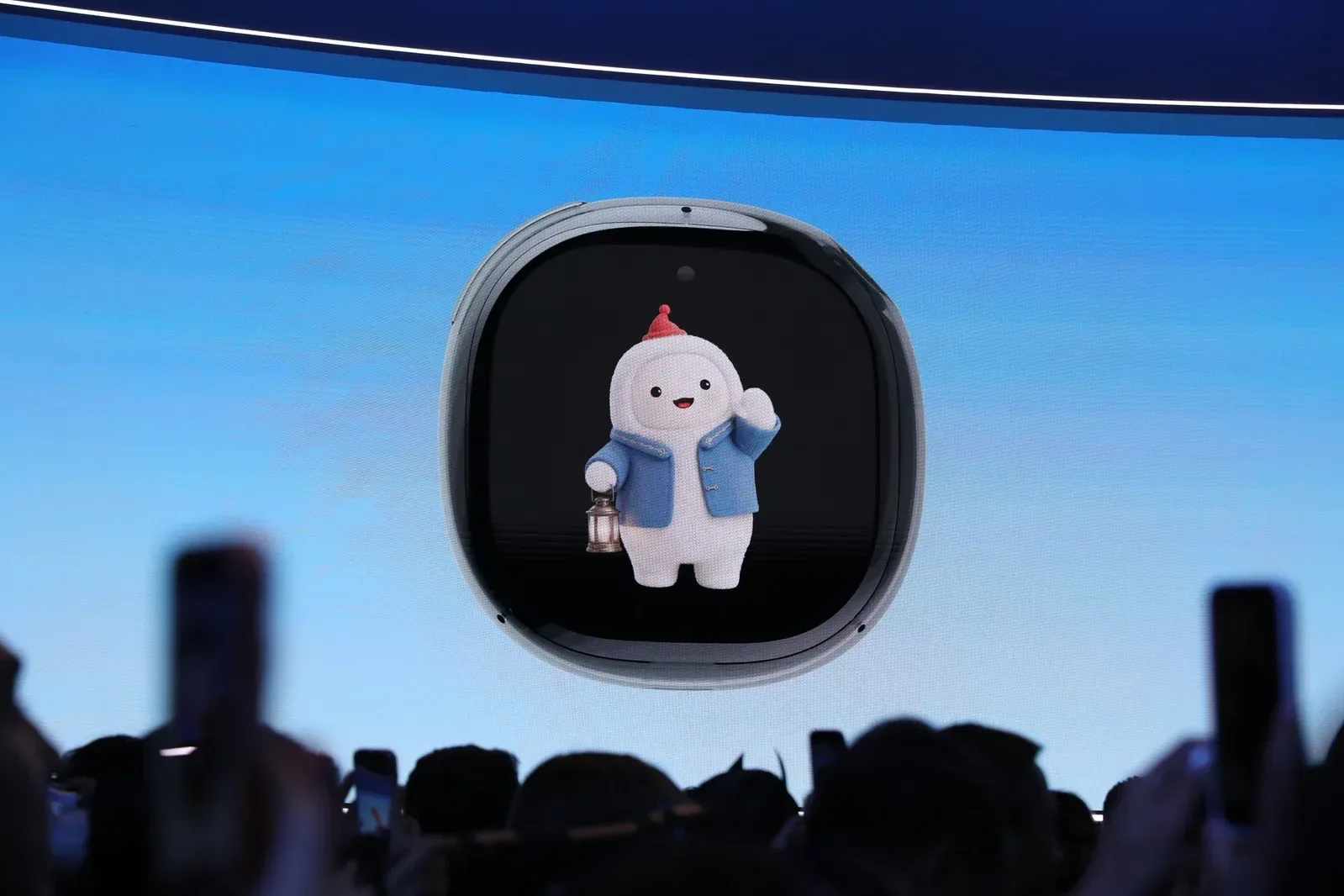
Meta is officially stepping into the dedicated AI hardware arena with the announcement of the Muse Charm. This new device is designed specifically to host Meta's new Muse AI agent, marking a significant departure from the company's traditional reliance on smartphones and social apps as the primary interface for user interaction. The move suggests that Meta views AI not just as a feature within existing platforms, but as a standalone utility that deserves its own physical form factor.
During the recent Meta Connect presentation, CEO Mark Zuckerberg unveiled the device, which bears a striking resemblance to a chunky smartwatch minus the strap. The design is minimalist yet functional, featuring a large screen that dominates the front face. This aesthetic choice implies that visual feedback is just as critical as voice interaction for the Muse agent, allowing users to see context, summaries, or visual data while they converse.
One of the most intriguing aspects of the Muse Charm is its activation method. The device includes a fingerprint sensor on the top right corner, which serves as the primary trigger for the AI. This design choice eliminates the need to unlock a phone or navigate through complex menus. It creates a frictionless entry point for interaction, allowing users to simply press and speak. This approach mirrors the convenience of dedicated voice recorders but with the power of a large language model.
The hardware specifications hint at a strong focus on environmental awareness. The device appears to feature a small camera and at least three microphone holes on the front. This sensor array suggests that Muse is designed to be context-aware, capable of seeing and hearing the user's surroundings to provide more relevant assistance. It transforms the AI from a passive responder into an active observer that can help with real-world tasks.
This launch represents a broader industry trend toward specialized AI hardware. As large language models become more capable, companies are realizing that general-purpose smartphones are not always the most efficient interface for AI tasks. Dedicated devices can offer longer battery life, faster response times, and a more focused user experience. Meta is betting that users will embrace a device that does one thing exceptionally well.
The implications for the tech market are substantial. If the Muse Charm gains traction, it could pressure competitors like Apple and Google to develop their own standalone AI wearables. This could lead to a new category of devices that sit between smartphones and smartwatches, offering a middle ground for users who want AI assistance without the complexity of a full computer. It also raises questions about privacy, as these devices will likely be constantly listening and observing.
What this means for you: As AI agents become more integrated into our daily lives, the interface will shift from tapping screens to natural conversation. To prepare, you should start experimenting with voice-first AI workflows. Try using an AI assistant to summarize your day or plan your schedule using only voice commands. This will help you get comfortable with the hands-free, always-on interaction model that devices like the Muse Charm are pioneering.
Here is a prompt you can try with your current AI assistant to simulate this workflow: "Act as my personal executive assistant. I will describe my current environment and tasks in short voice notes. Please organize them into a prioritized list, identify any conflicts in my schedule, and suggest three actionable next steps based on the context I provide."
Reporting basis: original story
← back to The Wire