the wire · #ai · 2026-08-18
ChatGPT is getting a dedicated mode for teens
Cech Tech Reviews
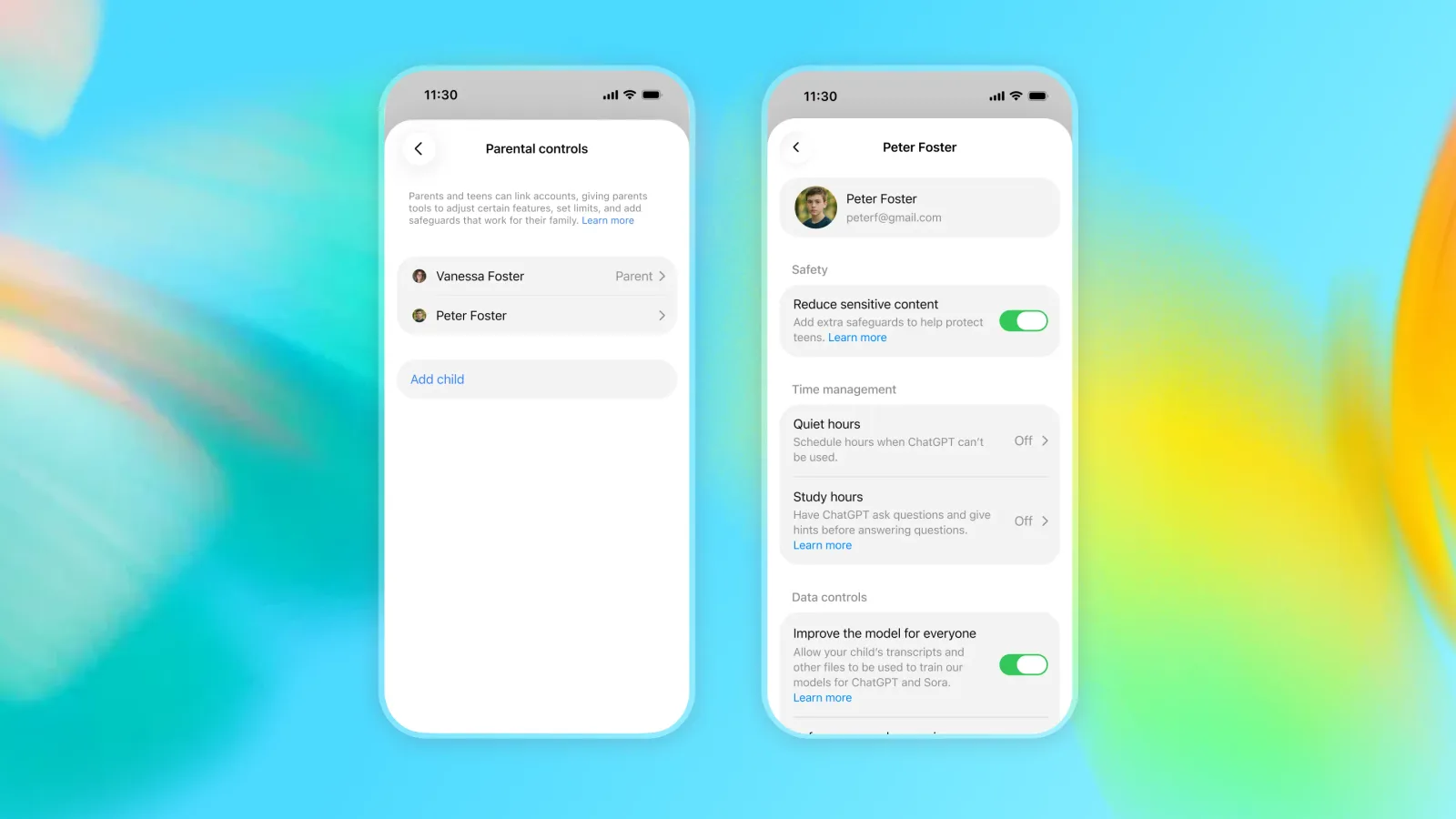
OpenAI announced Tuesday it's rolling out ChatGPT for Teens, a dedicated experience for users aged 13 to 17 that bundles existing youth protections with new parental controls, according to The Verge. The mode activates automatically when users identify as teens or when the system estimates they're under 18.
This isn't just about safety theater. OpenAI is racing to establish ChatGPT as the default AI for Gen Z before Google, Anthropic, or others capture that cohort. Teens who start with ChatGPT now are likely to stay with it through college and into their careers, making this a long term retention play dressed up as responsible AI.
The timing matters too. Regulators worldwide are tightening scrutiny on how AI platforms handle minors, and social media companies are scrambling to add age verification after years of backlash. OpenAI is getting ahead of inevitable legislation by building guardrails now, which could give them a regulatory advantage when stricter rules arrive.
What's less clear is how effective these protections actually are. Age estimation is notoriously unreliable, and self reported ages are trivial to fake. The real test will be whether OpenAI can balance genuine safety with utility, because if the teen mode is too restrictive, users will just lie about their age to access the full version.
The parental controls are the interesting part. Giving parents visibility into how their teens use AI could normalize AI literacy as a family conversation, not just a solo activity. That's a cultural shift that could accelerate adoption across households.
What this means for you: If you're a parent or educator, this is a good moment to have explicit conversations about AI use with teens in your life. Try this prompt with ChatGPT to start that discussion: "I'm talking to a teenager about using AI tools responsibly. Create a list of 5 real world scenarios where they might use ChatGPT, and for each one, explain one benefit and one risk they should consider." Use the output as a conversation starter, not a lecture.
Reporting basis: original story
← back to The Wire