the wire · #ai · 2026-08-14
I looked inside an AI generated movie, and the best parts were all human
Cech Tech Reviews
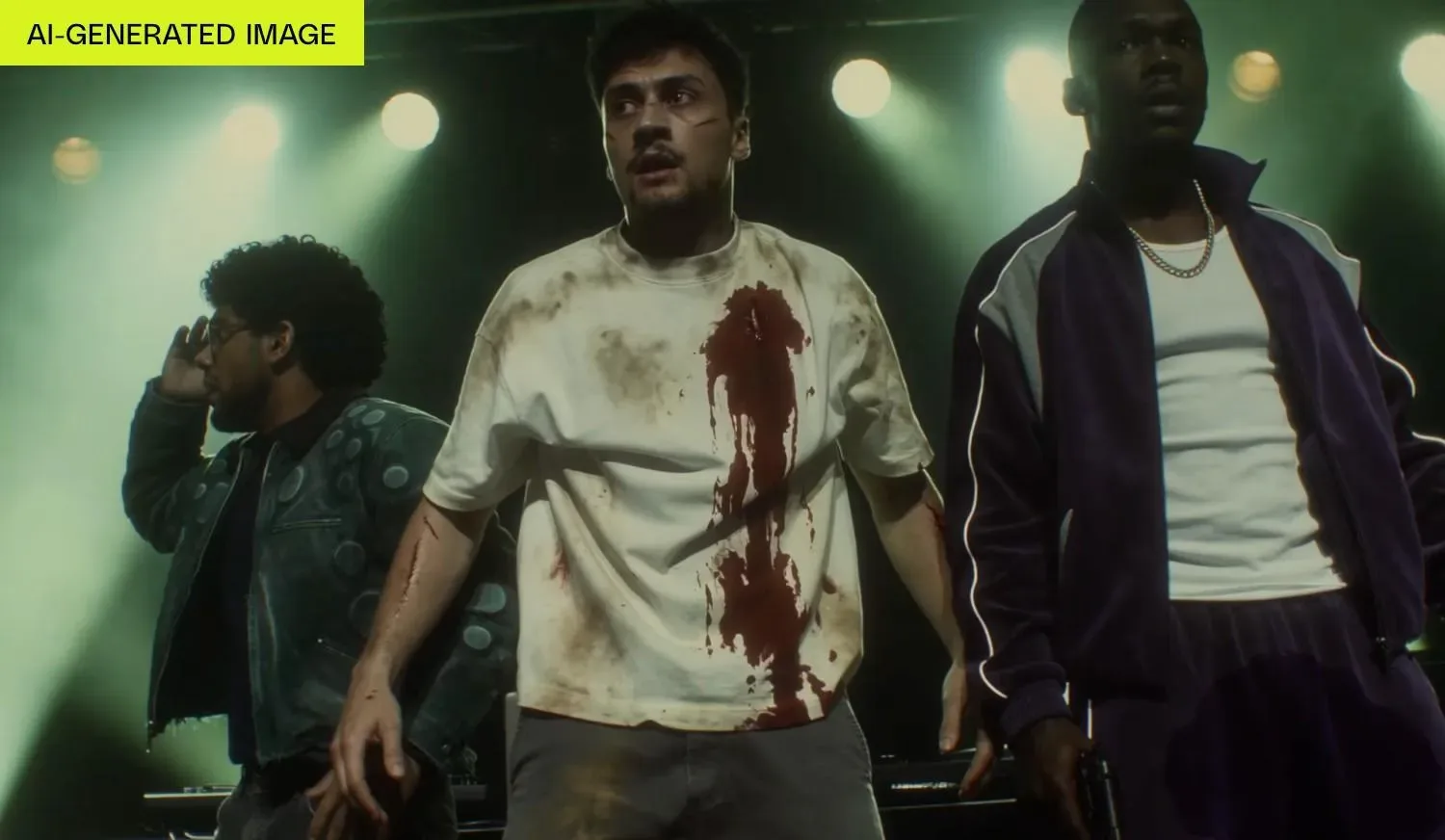
The Verge recently took a deep dive into an AI-generated movie, and the findings offer a fascinating glimpse into the current state of synthetic media. The story follows a group of bumbling English lads in a London pub, dreaming of fame and fortune. Their fantasies involve lavish parties and groupies, complete with high-octane action sequences.
What makes this report particularly interesting is not the plot itself but the audience reaction. The most compelling moments were not the hyperkinetic smash cuts or the CGI-heavy action scenes. Instead, the human elements, the banter, the camaraderie, and the flawed characters, resonated the most with viewers. This suggests a growing fatigue with pure technical spectacle in AI content.
We are seeing a shift in how people evaluate AI-generated art. Early demos focused heavily on visual fidelity and complex motion. Now, the value proposition is moving toward narrative depth and emotional authenticity. The source material describes a film that could easily fit into the style of directors like Edgar Wright or Guy Ritchie. Yet, the human interactions provided the anchor for the experience.
This trend has significant implications for creators using generative video tools. It indicates that prompt engineering alone is not enough to create engaging content. The underlying story and character dynamics must be robust. AI can generate the visuals, but it struggles to replicate the subtle nuances of human connection without significant human direction.
For entrepreneurs and developers, this is a clear signal. The market is not just looking for cool tech demos. It wants stories that feel real. The best AI tools will be those that enhance human creativity rather than replace it. The human element remains the differentiator in a sea of synthetic media.
The Verge’s analysis underscores that technology is only as good as the story it tells. As AI video models become more sophisticated, the barrier to entry for visual quality will drop. The competitive advantage will shift entirely to narrative design and emotional resonance. This is a crucial insight for anyone building AI media products.
What this means for you is that you should focus on the human side of your AI workflows. Use AI to handle the heavy lifting of production, but keep the creative core human. Try using an AI assistant to brainstorm character backstories and dialogue nuances before generating any visuals. This ensures your content has the emotional weight that audiences are craving.
Here is a prompt you can try with your AI writing assistant to enhance your next project: "Analyze this script scene and suggest three ways to deepen the emotional connection between characters through subtle dialogue changes, focusing on subtext rather than explicit statements." This approach prioritizes the human element that the source material identified as the key to success.
Reporting basis: original story
← back to The Wire