the wire · #gadgets · 2026-07-08
Component development for cheaper Apple Vision Pro reportedly scrapped
Cech Tech Reviews
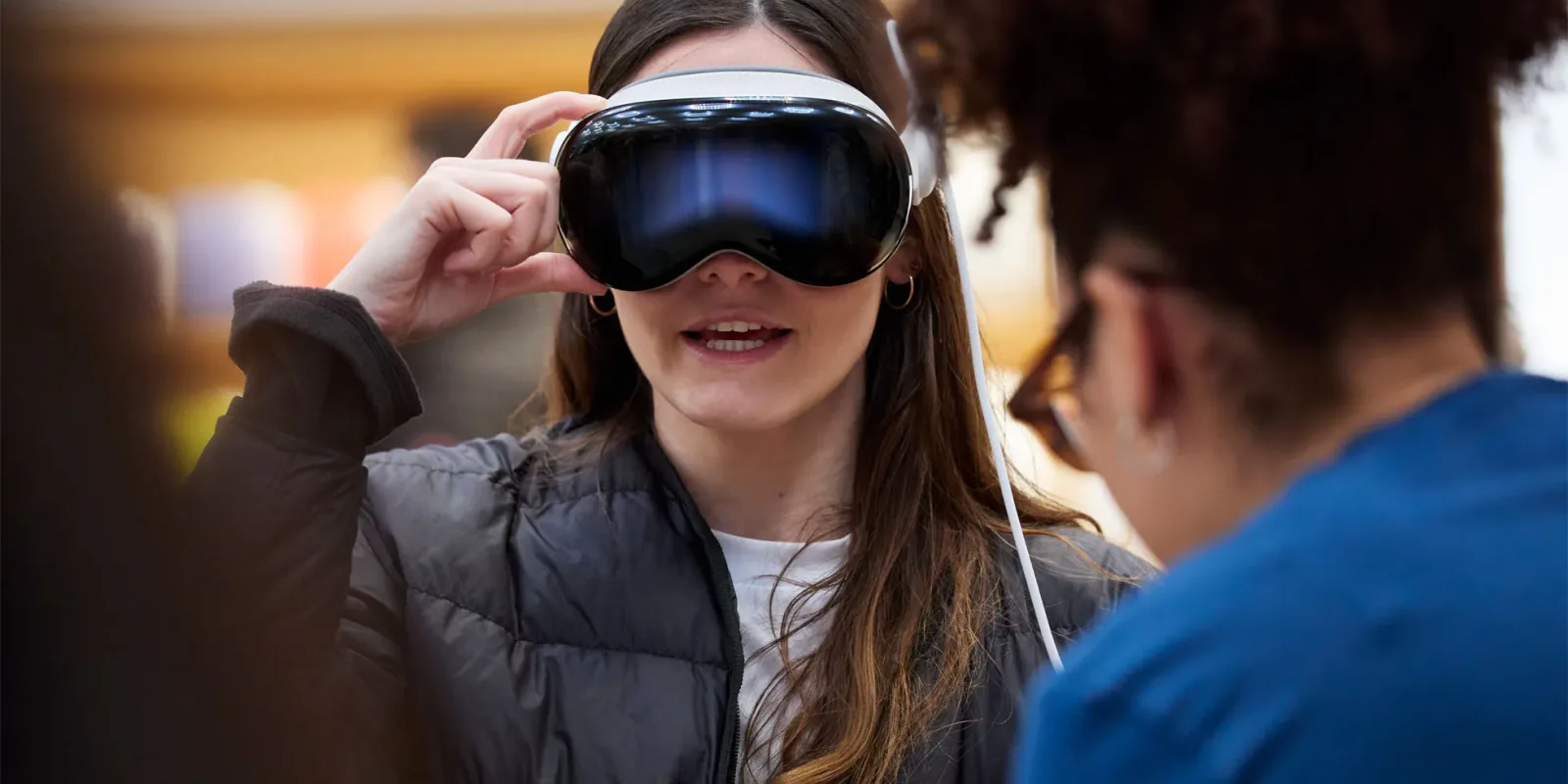
The landscape of spatial computing is shifting beneath our feet, and the latest news from South Korea suggests Apple is facing significant hurdles in its quest to democratize the Vision Pro. According to The Elec, Samsung Display has officially scrapped a development project for a component that was expected to be part of a lower-cost version of the headset. This is not just a minor supply chain hiccup. It is a clear signal that the path to an affordable Apple headset is far more complex than many analysts initially predicted.
For years, the tech world has speculated about a Vision Air or a similar budget-friendly model. The idea was that Apple would strip away premium materials and older sensors to hit a price point that could compete with Meta and other VR giants. However, this report indicates that the engineering challenges are proving more stubborn than anticipated. The scrapped component was likely intended to reduce costs or improve efficiency, and its removal forces Apple to rethink its entire hardware architecture for the entry-level device.
Samsung Display is a critical partner for Apple, providing essential display technologies for iPhones and iPads. Their decision to halt this specific project suggests that the technical requirements for the cheaper Vision Pro may have become unviable or that the cost savings were not sufficient to justify the R&D investment. This kind of strategic pivot is common in hardware development, but it often leads to significant delays. We should expect the timeline for an affordable Apple headset to push further into the future.
This development has broader implications for the entire AI and spatial computing industry. If Apple cannot quickly produce a mass-market headset, the window for competitors to establish dominance in the consumer VR space remains open. Meta, with its Quest line, continues to gain market share. The lack of a compelling, affordable alternative from Apple means that the high-end Vision Pro will remain a niche product for developers and early adopters for the foreseeable future.
From an AI perspective, this delay is interesting. Spatial computing is not just about hardware. It is about creating new interfaces for AI assistants and immersive applications. Without a widespread hardware base, the ecosystem for AI-driven spatial experiences will grow slower. Developers may hesitate to invest heavily in Apple-specific tools if the user base remains limited to a small, wealthy demographic. This could slow the integration of AI into daily physical workflows for the average consumer.
The scrapping of this component also highlights the intense pressure Apple faces to innovate while maintaining its premium brand image. They cannot simply release a cheaper product that feels like a downgrade. They must find a way to reduce costs without alienating their core user base. This balancing act is difficult and often results in prolonged development cycles. The industry is watching closely to see how Apple navigates this challenge.
What this means for you is that if you are waiting for an affordable Apple headset to integrate spatial computing into your daily workflow, you may need to wait longer than expected. In the meantime, you can focus on mastering the tools available today. Try using an AI assistant to simulate spatial workflows. Ask your AI to help you design a 3D interface for a common task. This prepares you for the future when the hardware finally arrives. Use the prompt: Help me design a step-by-step workflow for managing project tasks using spatial computing principles, focusing on voice commands and gesture recognition.
Reporting basis: original story
← back to The Wire
![Apple stops signing iOS versions for several older iPhones and iPads [U]](https://aideaflow.com/api/img/news/0a7b7c0e323d0e7e.webp)