the wire · #topnews · 2026-07-03
Despite the darkness, I still see signs of hope in America
Cech Tech Reviews
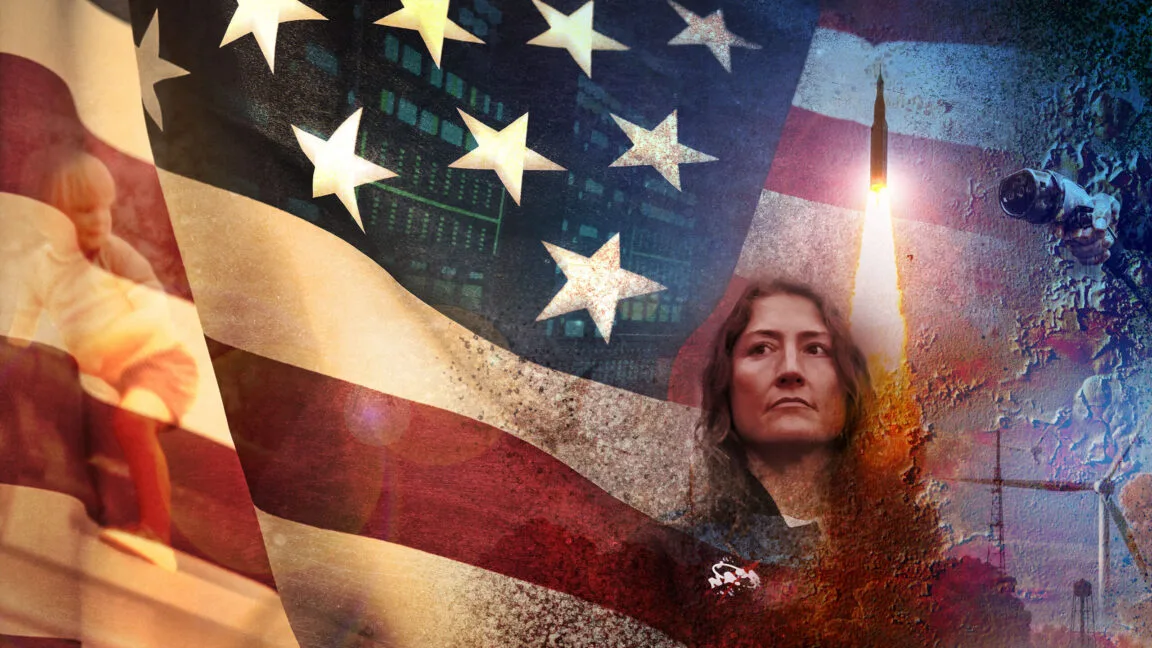
The recent publication of a personal essay titled Despite the darkness, I still see signs of hope in America provides a surprisingly relevant framework for discussing the current state of the artificial intelligence industry. The author recalls being just three years old during the 1976 Bicentennial celebrations in Michigan. This nostalgic look back at a pivotal moment in US history offers more than just sentimental value. It serves as a powerful metaphor for how we should approach the rapid and often chaotic advancement of AI today.
According to the source material, the author remembers climbing on a cannon and watching a parade while their father spoke about democracy. These fuzzy memories highlight how national identity is often formed through shared rituals and public discourse. The realization that this was the bicentennial adds a layer of historical weight to these childhood experiences. It suggests that moments of national reflection are crucial for understanding our trajectory and our values.
The essay notes that America was imperfect and inconsistent in its approaches to freedom during that era. This admission of complexity is vital for any serious discussion about technology governance. We often treat AI as a purely technical problem, but it is deeply embedded in social and political structures. Acknowledging the flaws in our historical approach to liberty helps us recognize the potential biases and inequalities in our current AI systems.
The author highlights America's role in rolling back fascism and confronting internal demons through the civil rights movement. These examples of collective action and moral reckoning are directly applicable to the AI ethics debate. The industry is currently facing its own reckoning regarding bias, privacy, and misinformation. We must look to historical precedents of societal correction to guide our current regulatory and ethical frameworks.
Critically, the essay mentions the moon landing as a defining moment of that era. This achievement represents the pinnacle of human ambition and collaborative effort. In the context of AI, we are witnessing a similar race for dominance and innovation. However, the moon landing was a unified goal, whereas AI development is often fragmented and competitive. We need to find ways to align our technological ambitions with broader humanistic goals.
The persistence of hope despite darkness is a theme that resonates deeply with AI developers and entrepreneurs. We often hear doomsday predictions about AI replacing jobs or causing existential risks. Yet, the potential for positive impact in healthcare, education, and scientific discovery is immense. We must balance our caution with the optimism that drove the innovations of the past.
What this means for you is that you should view AI not just as a tool, but as a reflection of our societal values. Use this perspective to guide your implementation strategies. Here is a prompt you can use with your AI assistant to align your projects with these ethical principles: Analyze my current AI workflow and identify three potential ethical risks related to bias or privacy. Then, suggest specific mitigation strategies inspired by historical civil rights movements that prioritized fairness and inclusion.
By adopting this broader historical lens, you can create more resilient and ethical AI systems. The lessons from 1976 remind us that progress is never linear. It requires constant vigilance, reflection, and a commitment to doing the right thing even when it is difficult. This approach will serve you well in navigating the complex landscape of modern technology.
Reporting basis: original story
← back to The Wire