the wire · #topnews · 2026-10-02
ICE Has Been Dumping Protester Photos Into a Palantir Database
Cech Tech Reviews

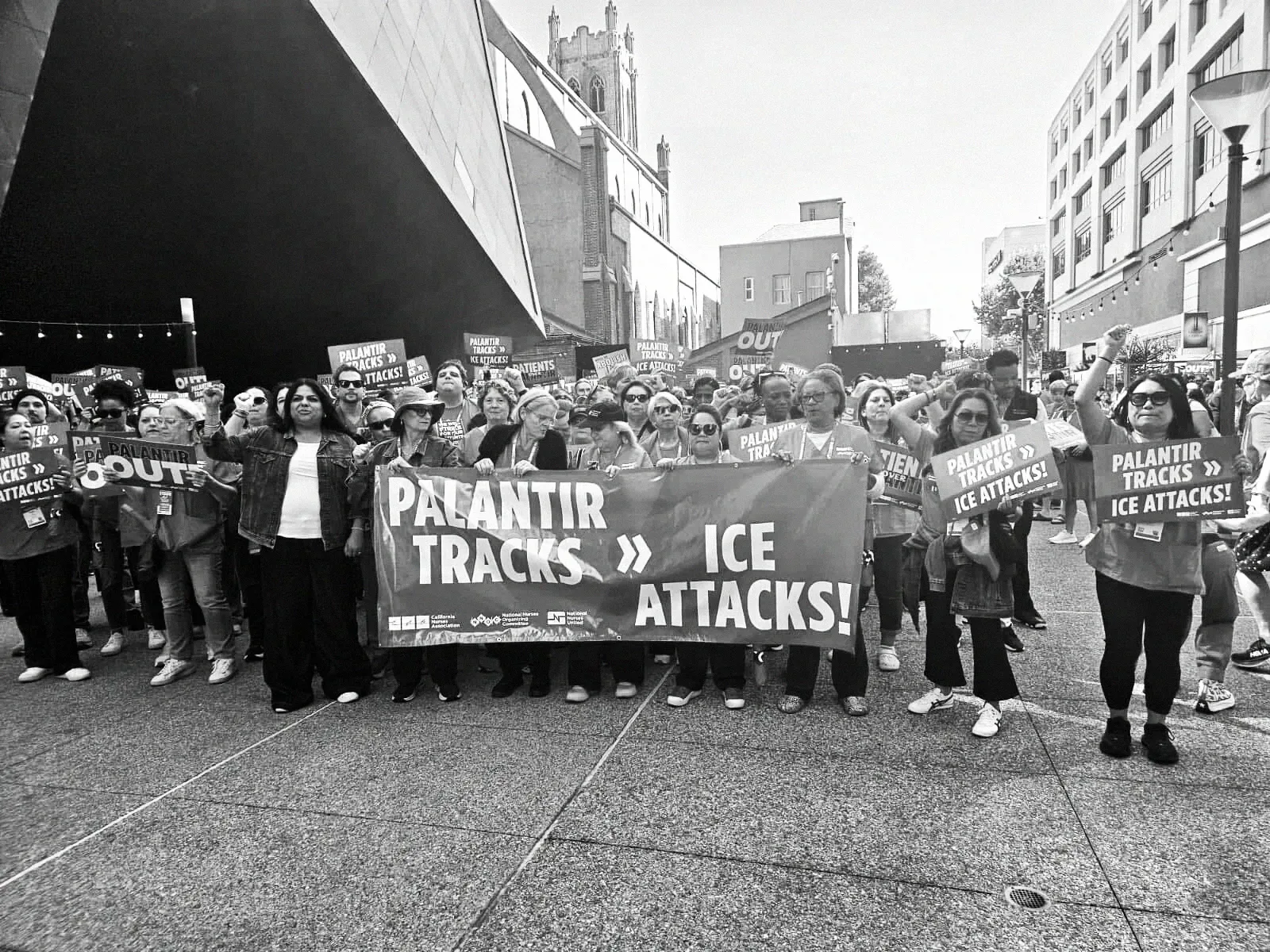
The intersection of artificial intelligence and law enforcement just got a lot more tangible, and a lot more concerning. According to newly unsealed court filings reported by various outlets, Department of Homeland Security agents in Maine did more than just observe protests. They actively collected photographic evidence of individuals and fed that data into a database built by Palantir Technologies.
This is not a hypothetical scenario about future surveillance. It is a documented reality of how modern policing utilizes proprietary AI platforms. The use of Palantir, a company known for its big data analytics tools, suggests a systematic approach to tracking dissent. It moves beyond simple observation into the realm of predictive analytics and long-term data retention.
The implications for privacy are staggering. When law enforcement agencies integrate civilian data into commercial AI databases, the line between public space and private surveillance blurs. Individuals who believe they are in a public forum may find their images stored in systems designed to identify patterns and link individuals to broader networks.
For AI enthusiasts and professionals, this case serves as a stark reminder of where the technology is heading. The same tools used for supply chain optimization or fraud detection are being repurposed for social control. It highlights the dual-use nature of advanced data analytics in ways that often go unnoticed by the general public.
The ethical questions here are profound. Who owns the data collected in public spaces? Can individuals opt out of being scanned and stored in these massive databases? The current legal framework seems ill-equipped to handle the scale and speed at which these technologies are being deployed by government entities.
This story also underscores the importance of transparency in AI development. Palantir’s role in this operation raises questions about corporate responsibility. Companies building these powerful tools must consider the potential for misuse and the societal impact of their products. Silence is no longer an acceptable stance.
What this means for you: As we integrate more AI tools into our daily workflows, we must remain vigilant about data privacy. Consider adopting a mindset of data minimization. When using AI assistants, avoid uploading sensitive personal information or images of others without explicit consent. You can try this workflow: before feeding any document or image into an AI model, run it through a privacy filter or redaction tool to remove personally identifiable information. This simple step can help protect your data and the data of others in an increasingly surveilled digital landscape.
Reporting basis: original story
← back to The Wire