the wire · #ai · 2026-07-10
Fidji Simo steps down from leading OpenAI’s AGI work due to illness
Cech Tech Reviews
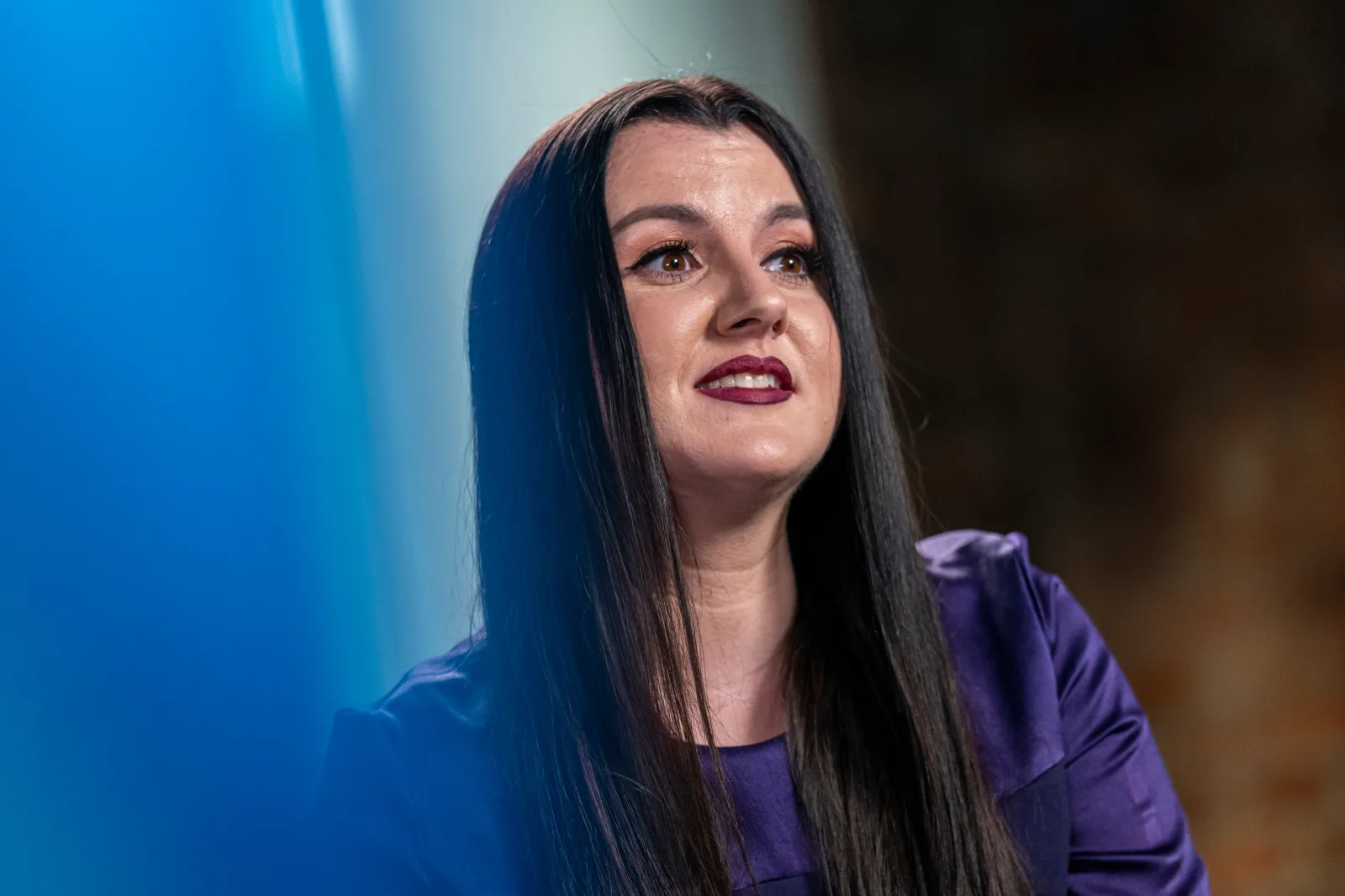
The landscape of artificial intelligence leadership just got a stark reminder of its human costs. According to reporting by The Verge, Fidji Simo has officially stepped down from her full-time position as OpenAI’s Chief AGI Officer. She is transitioning into a part-time advisor role, a move that underscores the intense pressure inherent in building the next generation of intelligent systems.
This departure follows a pattern of health-related exits at the top of the company. Simo originally announced in April that she would take medical leave for a neuroimmune condition shortly after assuming the AGI chief title. Her previous role as CEO of applications already placed her at the center of OpenAI’s product strategy, making this transition particularly notable for observers tracking the company’s direction.
Simo is not alone in this struggle. The Verge reports that COO Brad Lightcap also stepped down to focus on special projects around the same time. Additionally, CMO Kate Rouch has left her post to prioritize her health, with plans to return to a more narrowly scoped role once she recovers. These simultaneous departures suggest a systemic issue rather than isolated incidents.
The timing is critical for OpenAI. The race to achieve Artificial General Intelligence is fierce, with massive capital and talent flowing into the sector. Yet, the human infrastructure required to sustain such rapid innovation appears to be fraying. Leadership burnout is no longer just a startup trope but a defining characteristic of the current AI arms race.
From an industry perspective, this highlights a dangerous normalization of overwork in tech. Companies are pushing for breakthroughs at a pace that may not be sustainable for their most experienced executives. The loss of institutional knowledge from these departures could slow OpenAI’s internal momentum, even if their technical resources remain vast.
For entrepreneurs and AI professionals, this serves as a cautionary tale about scaling teams and expectations. Building transformative technology requires endurance, not just bursts of high-intensity effort. Organizations that ignore the well-being of their leaders risk losing the very people who steer their strategic vision.
What this means for you is that sustainable AI adoption requires realistic pacing. Do not equate constant availability with productivity. Instead, build workflows that allow for deep work and recovery. Try using an AI assistant to draft your weekly priorities, then explicitly ask it to identify tasks that can be automated or delegated to protect your focus time for high-value strategic decisions.
Reporting basis: original story
← back to The Wire