the wire · #topnews · 2026-08-24
Forget Meta Ray-Bans. These Dorky-Looking Virtual Display Glasses Are Way More Useful
Cech Tech Reviews
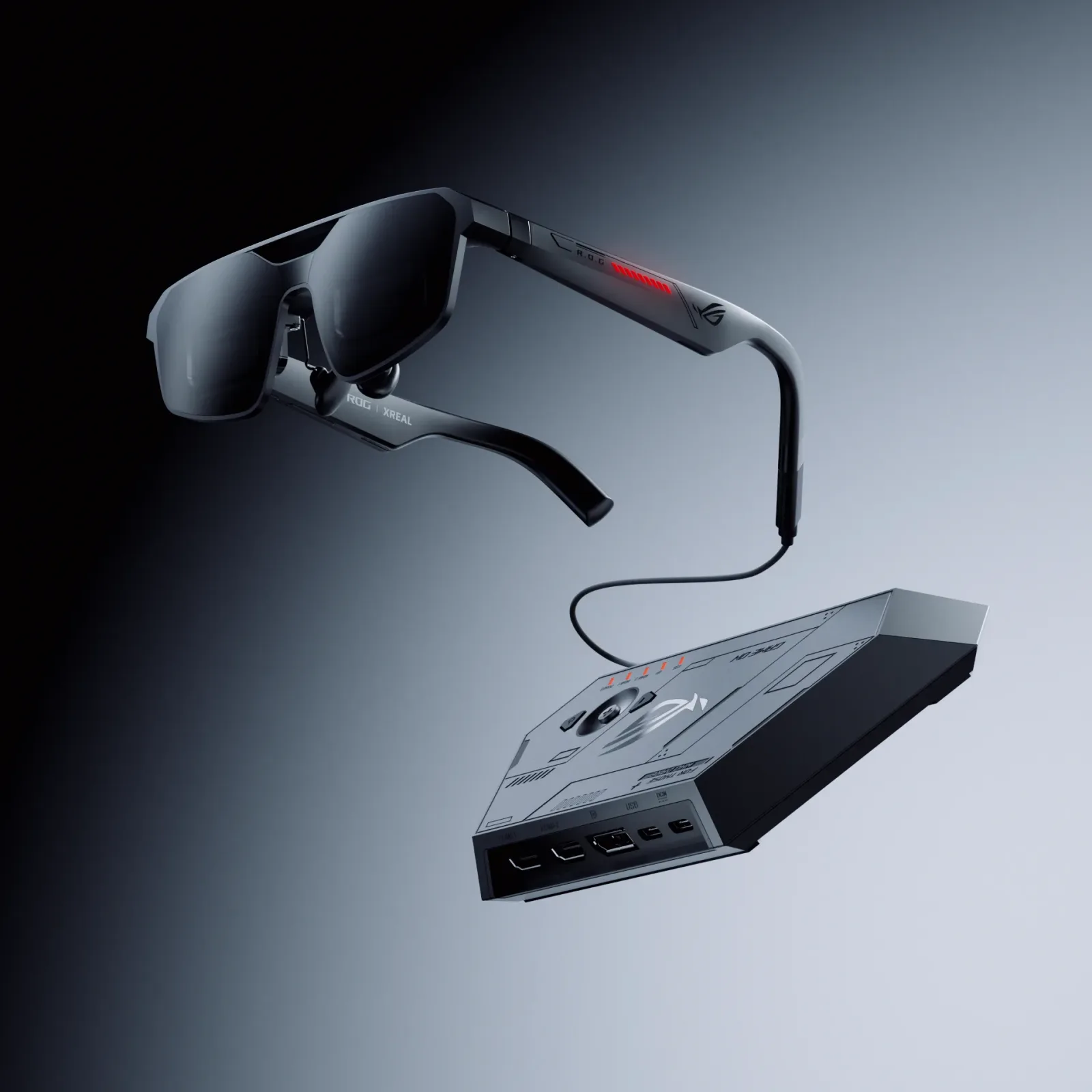
The tech world has been obsessed with spatial computing for years. We have watched companies pour billions into headsets that promise to blend the digital and physical worlds seamlessly. Yet, for many users, these devices feel like over-engineered solutions to problems they do not have. According to recent reporting, a simpler alternative is quietly winning over practical users. These are tethered display glasses that look a bit dorky but work incredibly well.
The core appeal here is simplicity. Unlike bulky headsets that require complex setup and heavy processing power, these glasses act as a portable monitor. You plug them into your laptop or phone and you instantly have a massive screen floating in front of your eyes. This approach trades the immersive fantasy of virtual reality for the grounded utility of a personal workspace. It is less about escaping reality and more about enhancing your current workflow.
This shift highlights a growing fatigue with the all-in-one headset model. Many professionals find that full VR headsets are too isolating for daily use. They are great for gaming or specific training scenarios but awkward for checking emails or coding. The tethered glasses solve this by keeping you aware of your surroundings while giving you a private digital space. You can recline in your chair and work without the neck strain of looking down at a laptop.
The aesthetic trade-off is real. These devices often look like oversized sunglasses or futuristic goggles. They are not designed to be fashionable accessories for the average consumer. However, for the target audience of developers, writers, and remote workers, the look is irrelevant. The value proposition is purely functional. You are buying a productivity tool, not a fashion statement.
This trend suggests that the future of wearable tech might not be about replacing our vision. Instead, it is about augmenting it with minimal friction. The industry is moving away from the idea that every device must be a standalone computer. Sometimes, being a peripheral is a feature, not a bug. It allows for lighter hardware and longer battery life since the heavy lifting is done by your existing computer.
For AI enthusiasts, this hardware shift opens up interesting possibilities for how we interact with large language models. Imagine having a dedicated, distraction-free screen for your AI assistant while you work. The glasses can display code snippets, research summaries, or creative drafts without cluttering your main monitor. It creates a secondary layer of information that is always there but never intrusive.
What this means for you is that you do not need to wait for the perfect spatial computing headset to upgrade your workflow. If you spend hours staring at screens, consider the utility of a dedicated virtual display. It can reduce eye strain and improve focus by separating your work environment from your physical distractions. Try this prompt with your AI assistant to optimize your new setup: "Create a checklist for setting up a dual-screen workflow using a portable monitor and my primary laptop, focusing on ergonomic adjustments and window management shortcuts."
The bottom line is that practicality often beats hype. While the tech giants chase the dream of the metaverse, everyday users are finding value in tools that simply work better. These dorky-looking glasses are a testament to that reality. They prove that you do not need to reinvent the wheel to make computing more efficient. Sometimes, you just need a bigger screen that follows you around.
Reporting basis: original story
← back to The Wire