the wire · #topnews · 2026-08-22
Tesla’s Door Handles Lead to Its Biggest Recall Yet
Cech Tech Reviews
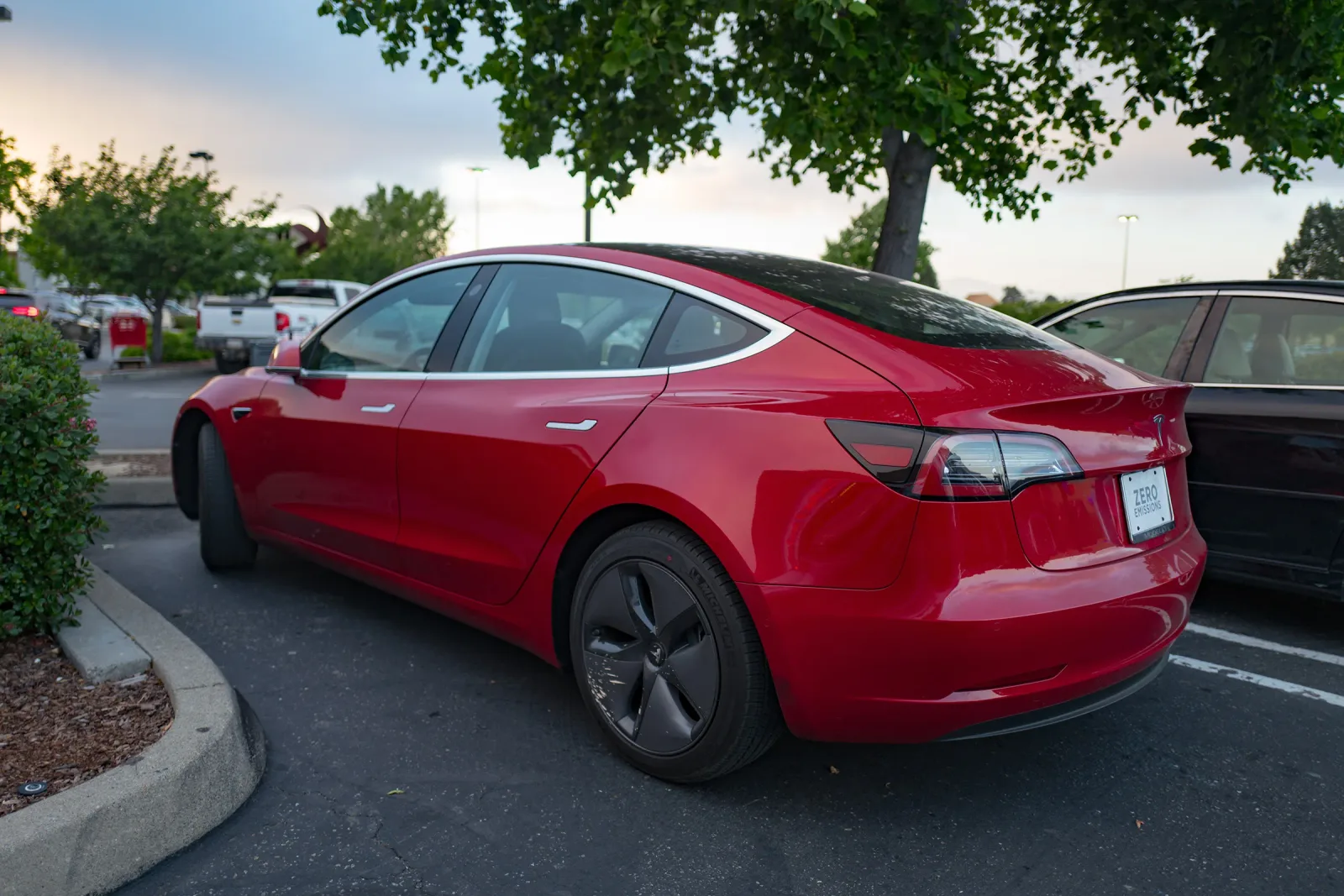
The automotive world just got a reality check on the limits of software-defined vehicles. According to recent reporting by Reuters, Tesla is facing its largest recall to date, affecting approximately three million vehicles in China. The issue stems from a design flaw in the flush door handles, which can fail to deploy properly in certain conditions. This creates a significant safety hazard, especially in emergency situations where quick egress is critical.
What makes this story particularly interesting for tech enthusiasts is the proposed solution. The Chinese regulatory agency has mandated that most of these fixes can be delivered via over-the-air updates. This reinforces the narrative that Tesla is a tech company first and a car manufacturer second. It suggests that the hardware defect is largely a software configuration issue that can be patched remotely.
However, the agency also required physical warning stickers to be placed inside the vehicles. This detail is crucial because it admits that software alone cannot immediately mitigate all risks. Drivers need a physical reminder to manually pull the handle until the software update takes full effect. It is a hybrid approach that blends digital convenience with analog safety measures.
The recall also involves updates to the vehicle's camera systems. This adds another layer of complexity to the fix. It implies that the door handle mechanism might be tied to the car's broader sensor network. Ensuring that the cameras correctly interpret the door status requires a coordinated update across multiple systems. This highlights the interconnected nature of modern electric vehicles.
For the broader AI and tech industry, this event serves as a cautionary tale. It demonstrates that even the most advanced software cannot entirely replace the need for robust hardware design. While OTA updates are powerful, they are not a panacea for physical engineering flaws. Companies must balance innovation with fail-safe mechanisms that do not rely solely on code.
This situation also impacts consumer trust in autonomous and smart vehicle features. If a basic function like opening a door requires a software patch, users may question the reliability of more complex AI-driven systems. Transparency in how these updates are deployed and verified will be key to maintaining brand loyalty. Tesla will need to communicate clearly about the effectiveness of these fixes.
What this means for you: As AI integrates more deeply into physical products, expect more hybrid fixes that combine digital updates with physical interventions. To stay ahead, try using an AI assistant to draft a checklist for evaluating tech products. Ask it to generate a risk assessment framework that weighs software dependency against hardware reliability for any new device you consider purchasing.
Reporting basis: original story
← back to The Wire