the wire · #topnews · 2026-08-22
NASA Cancels Its Rescue Mission for the Aging Swift Telescope
Cech Tech Reviews
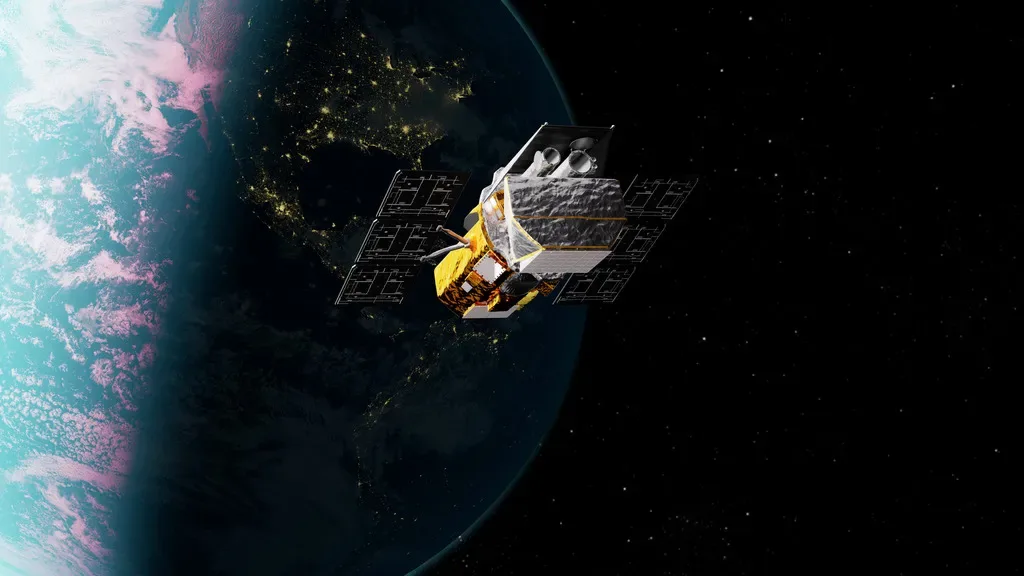
NASA has made the difficult decision to cancel its rescue mission for the Swift Gamma-Ray Burst Mission. The agency announced that the LINK probe, which was designed to grapple the aging satellite, suffered critical control system failures. This technical setback has effectively ended any hope of extending the telescope's operational life through orbital repair.
According to reports, the LINK mission was a high-stakes engineering challenge. The plan involved using robotic arms to capture Swift and lift it into a safer, higher orbit. This maneuver was intended to prevent the satellite from re-entering Earth's atmosphere prematurely. The failure of the control system on LINK made such a delicate operation impossible to execute safely.
This cancellation highlights the growing complexity of space debris management and satellite servicing. As we launch more satellites, the risk of orbital congestion increases significantly. The Swift telescope has been a vital tool for studying high-energy phenomena in the universe. Its potential loss is a blow to the astronomical community that relies on its unique capabilities.
The decision also underscores the fragility of deep space missions. Even with advanced robotics and careful planning, technical glitches can derail years of preparation. NASA's ability to pivot and accept this outcome demonstrates a pragmatic approach to space exploration. It is better to acknowledge failure than to risk further damage or loss of life.
For AI enthusiasts and tech professionals, this event serves as a reminder of the limits of current automation. While AI and robotics are advancing rapidly, they still face unpredictable challenges in dynamic environments. The Swift mission was a test of autonomous systems in space. Its failure provides valuable data for future mission designs.
What this means for you is that the reliability of automated systems in critical infrastructure remains a key area of development. As we integrate more AI into our workflows, we must account for potential system failures. Consider implementing robust fallback mechanisms in your own projects. You might try using an AI assistant to simulate failure scenarios in your code. Ask it to generate test cases that mimic control system errors. This practice can help you build more resilient software architectures that can handle unexpected technical glitches.
Reporting basis: original story
← back to The Wire