the wire · #topnews · 2026-07-27
Framework Laptop 13 Pro review: Much better battery, much worse price
Cech Tech Reviews
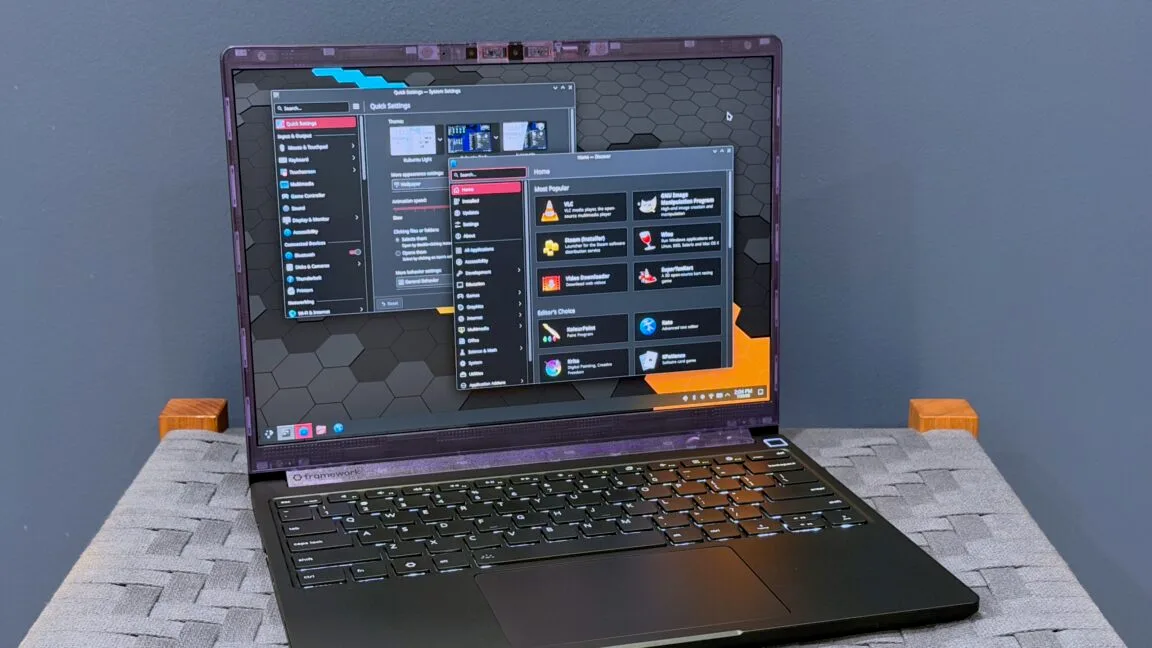
Framework has long held a special place in the hearts of tech enthusiasts who crave modularity. The original Laptop 13 was a refreshing departure from the sealed, disposable nature of most modern ultrabooks. It proved that a repairable device could still look sleek and perform well. However, the hardware always carried a significant caveat that frustrated many potential buyers. The battery life was simply not competitive with the broader market.
According to recent reviews, the new Laptop 13 Pro addresses this specific weakness head on. Framework has moved beyond minor tweaks to implement a design that feels like a true second generation. This shift allows for substantial improvements in power efficiency and overall build quality. The result is a machine that finally competes on the most basic metric of laptop usability. You can now go a full workday without hunting for an outlet.
This progress comes with a notable trade off that buyers must consider carefully. The new design breaks backward compatibility with several key components from the original model. Specifically, the bottom case, keyboard, trackpad, and older battery modules will not fit in the new chassis. This is a significant blow to the ecosystem Framework built. Users who invested in spare parts for the first generation will find those investments less useful.
The financial aspect of this upgrade is also worth scrutinizing. The review highlights that the new model carries a much worse price point than its predecessor. You are paying a premium for the improved battery and refined fit and finish. For casual users, this cost may not justify the switch from an existing device. It represents a shift toward a more premium, less accessible product tier.
From an industry perspective, this move signals a maturation for the modular laptop market. Framework is no longer just a niche experiment. They are making hard choices to compete directly with established players like Apple and Dell. The decision to sacrifice backward compatibility suggests they are prioritizing performance and longevity over legacy support. This is a common pattern in hardware evolution but rare for repairability-focused brands.
The broader implication here is that repairability and high performance are no longer mutually exclusive. Framework is proving that you can have a device that lasts longer and works better without sealing it shut. This challenges the entire industry standard of planned obsolescence. It forces competitors to justify their own sealed designs with superior integration or software benefits.
What this means for you is that the modular laptop is becoming a viable daily driver. If you value longevity and repairability, the new Pro model is a strong contender despite the cost. However, you must weigh the higher price against the loss of your old spare parts. Try this workflow to evaluate if the upgrade fits your budget. Ask an AI assistant to compare the total cost of ownership for the new Pro versus buying a used original model plus new batteries. This will help you decide if the performance jump is worth the initial investment.
Reporting basis: original story
← back to The Wire